A walk around Marks Tey in the 1920s
BRENDA WILBY'S WALK
‘To the future generations of my family, I hope this account gives you some idea of what Marks Tey was like before it was cut in two.’
In the early 1990s, long time Marks Tey resident Brenda Wilby wrote down her memories of the people and places in the village. From her earliest recollections just after the First World War up to 1991 Brenda noticed how much had changed. It’s not possible to walk Brenda’s route exactly anymore, but in our minds’ eye we can follow her footsteps around the village.
Explore story →
More charming than pretty
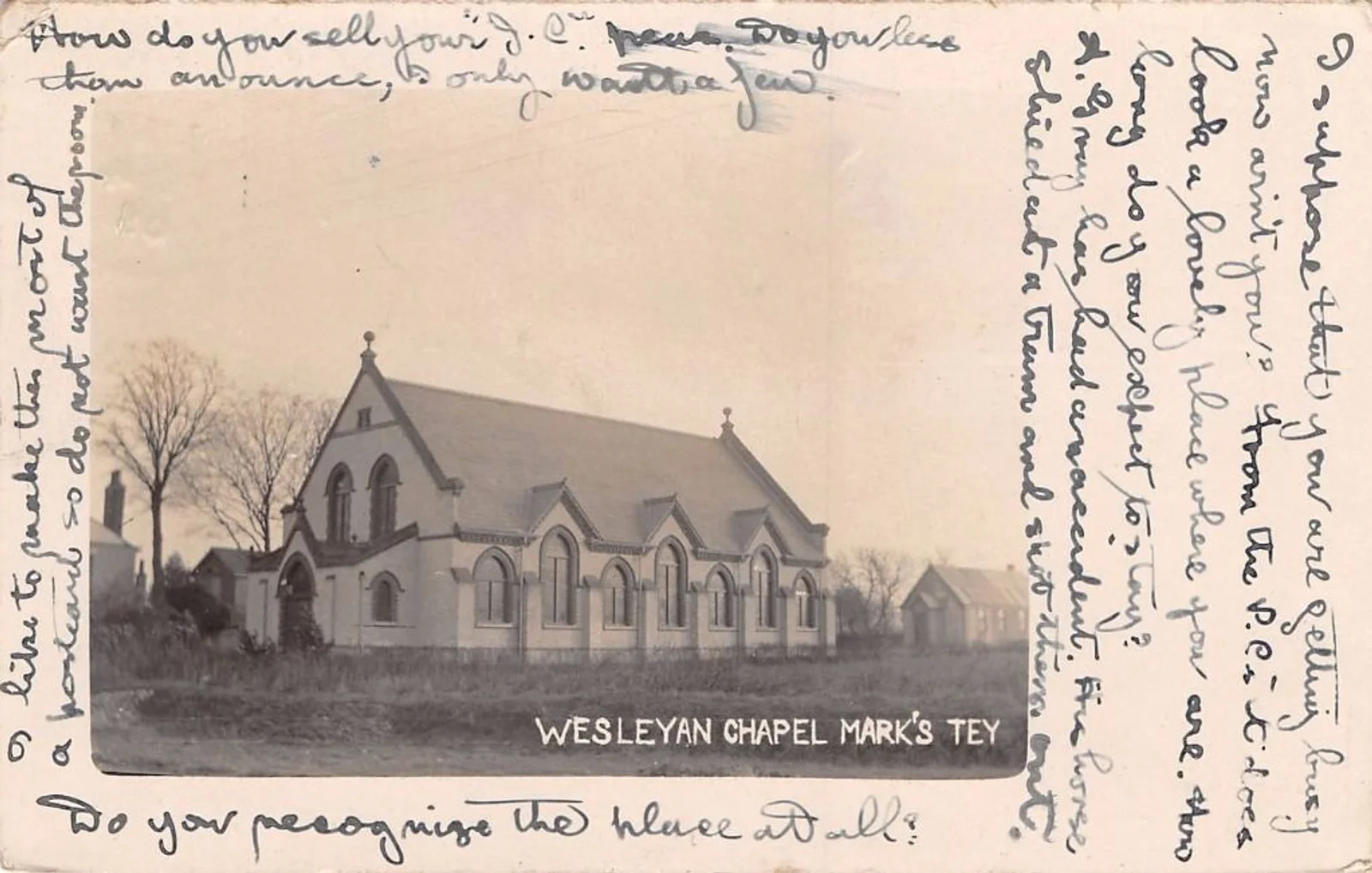
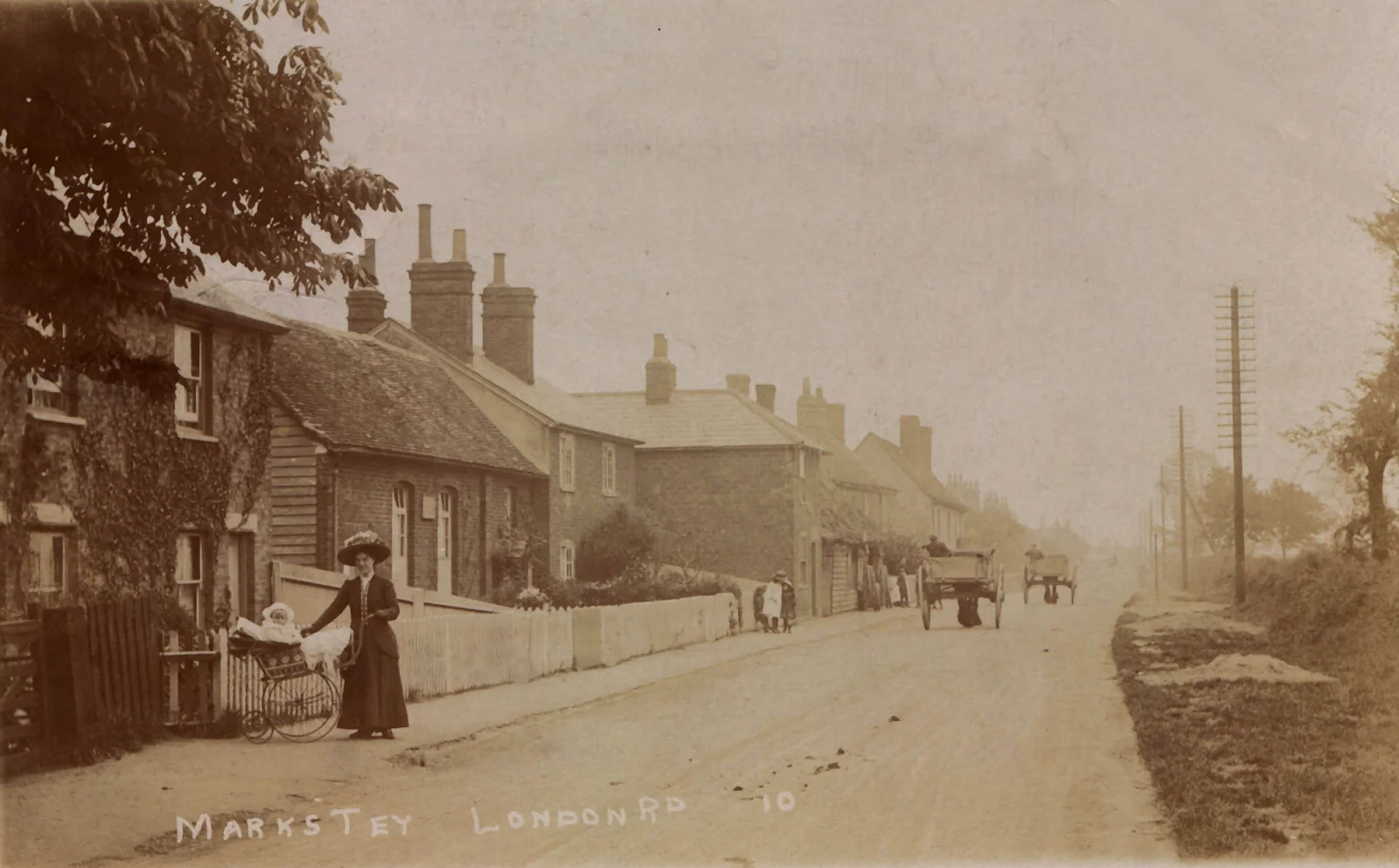
Brenda starts her walk at the Methodist Chapel on London Road. It is a few years after the end of the war and she is a young child walking hand in hand with her father who wears his Royal Horse Artillery uniform. Brenda thinks Marks Tey is more of a charming than a pretty village as it is very spread out. It won’t be long until road improvements, beginning in 1937 with a new dual carriageway and continuing in the late 1960s, will mean the Wilby’s family house in London Road will be demolished. But for now, the row of four brick houses where she lives, and the neighbouring three wooden cottages, are warm little homes and in the perfect location for Brenda’s father James Richer to make his way to work as a groom for Reverend Steele at the Rectory.
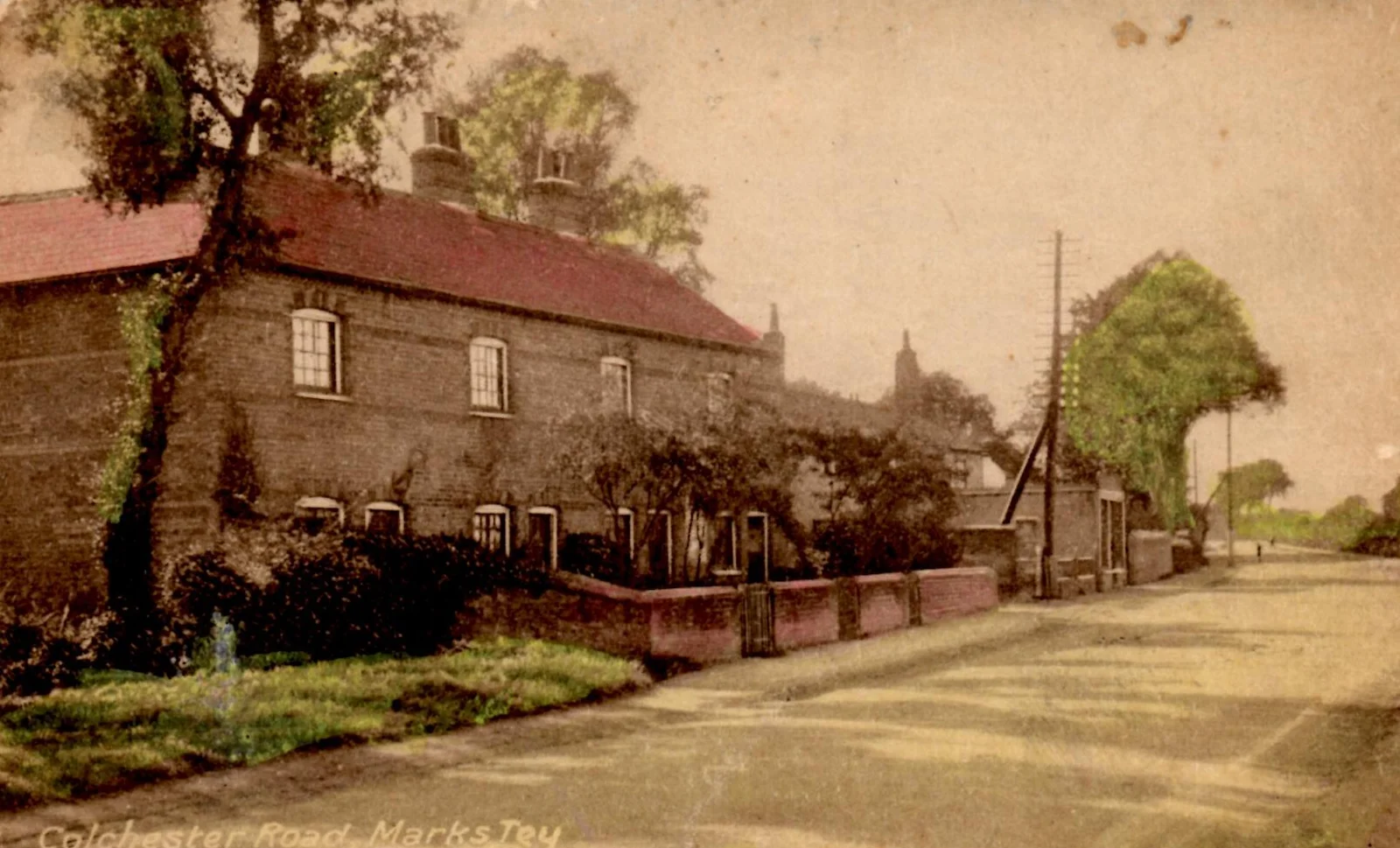
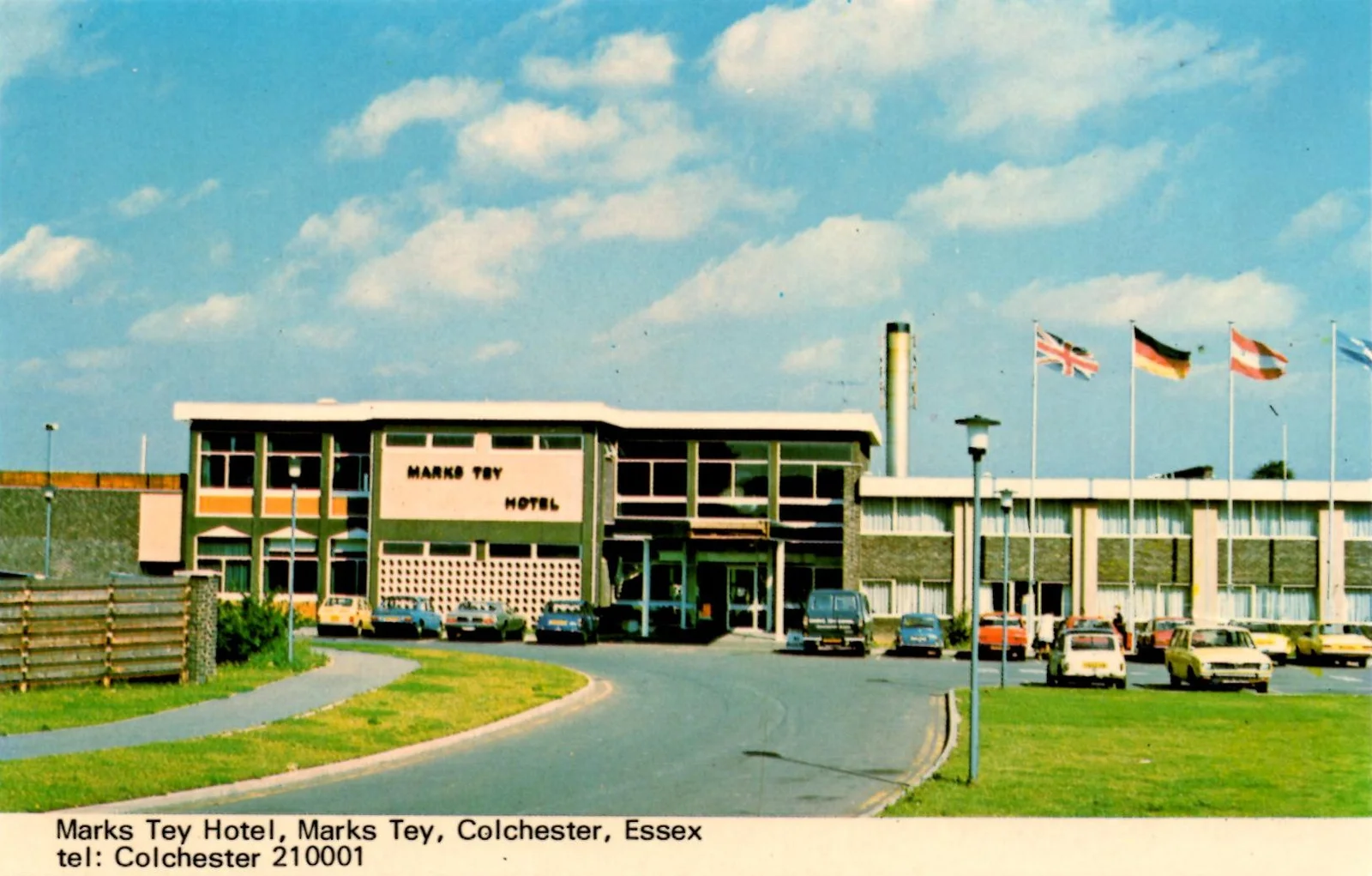
Opposite the Chapel is an open field with a line of elm trees where noisy rooks are nesting and a plant nursery belonging to Mr McDermot. There are nurseries all around Marks Tey: it is well known for them, and this keeps local people in work. In time all of this area will become modern buildings - flats at The Rookeries and the Marks Tey Hotel. Just along the road towards Colchester are Rice Cottages (now Copford Cottages) where Brenda gets her hair cut in a shed at the back and will take piano lessons when she’s older.
The village school
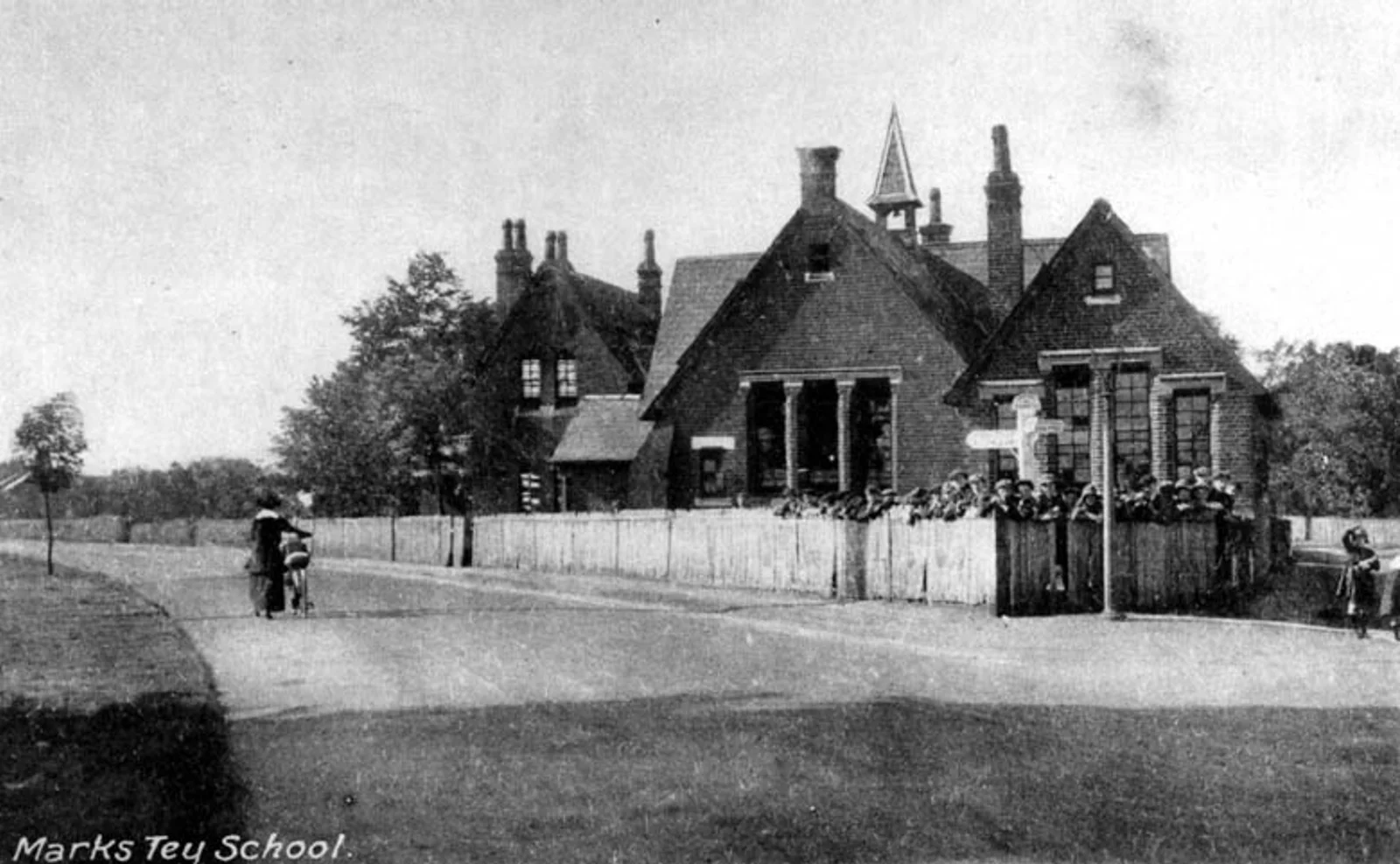
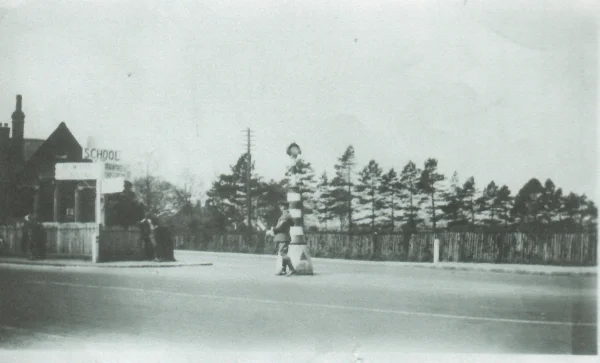
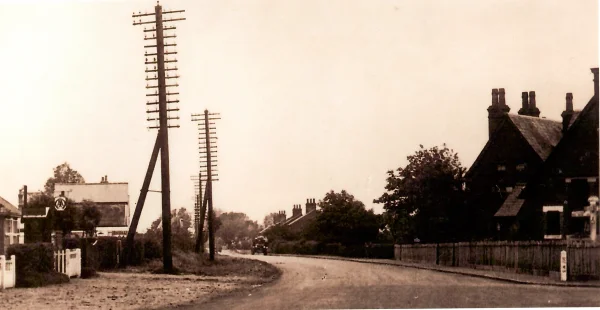
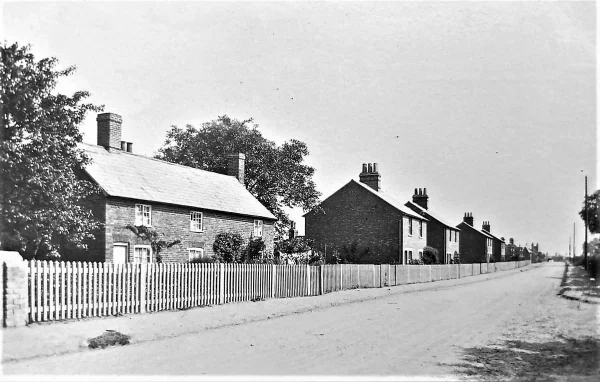
Turn left from the Chapel and walk into the village, past the Prince of Wales pub and Station Road. Future Brenda will wonder how all the buildings here could ever fit into this space. On the corner of two busy roads is the village school. It only takes Brenda about five minutes to walk here from her house further along London Road, although she’s small so it feels longer. Luckily, there is a gate on this side otherwise she would have to walk around to the other gate on Coggeshall Road. It is an old building with the boys’ playground coming to a point at the front and the girls’ playground at the side and back. The school and playgrounds where Brenda plays with her friends will be knocked down in the 1960s. The site is no longer visible, but the footbridge across the A12 takes you close.
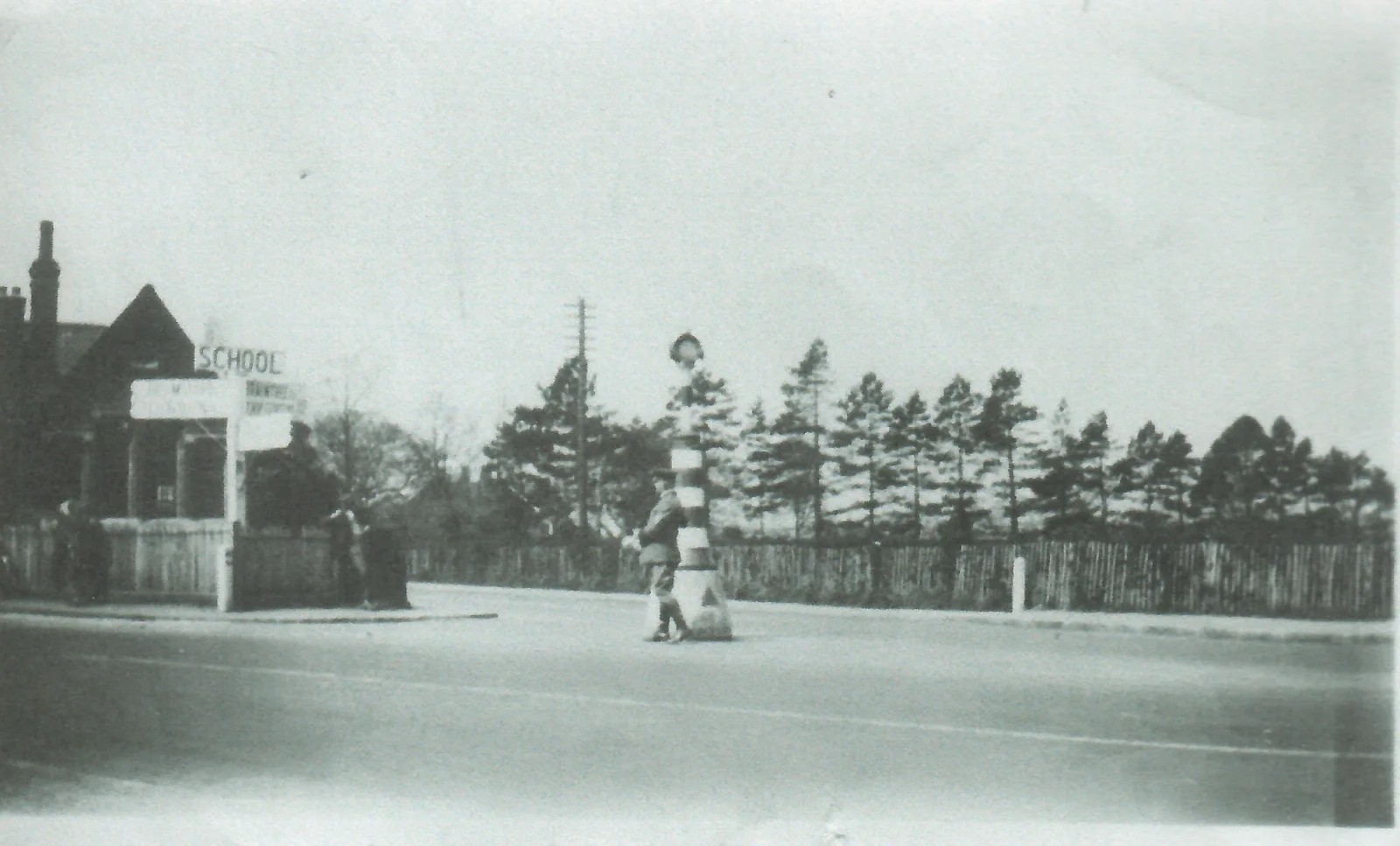
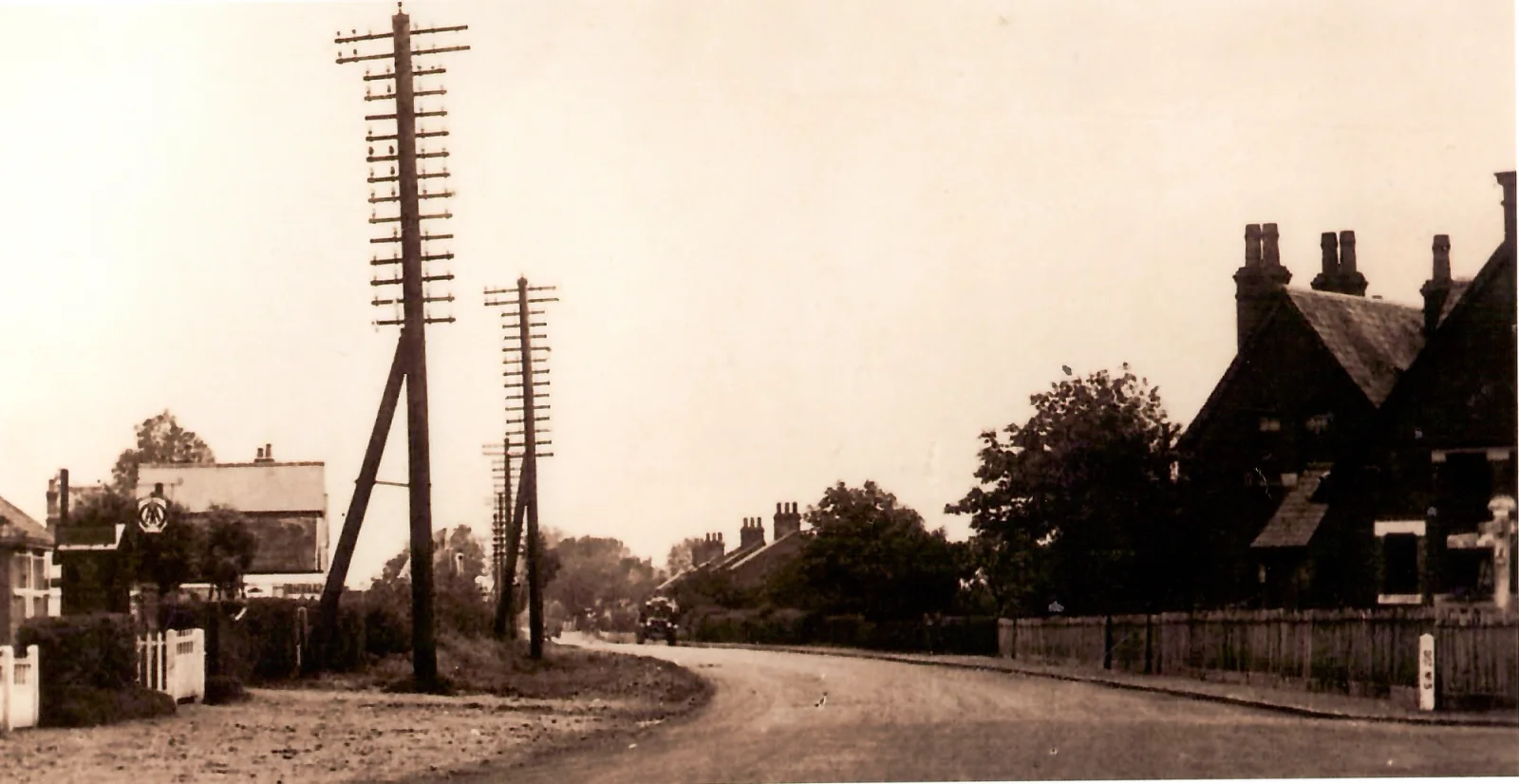
The two roads either side of the school make an awkward junction for the increasingly busy traffic. The road signs have recently been improved as cars have crashed into the railings, and a red beacon flashes the whole time to alert motorists. Keeping everyone safe is an Automobile Association (AA) patrolman. There’s an AA box across the road so he can shelter from the rain and motorists can use the telephone to call for assistance. The phone number is Kelvedon 229.
Long traffic jams
Continuing to walk along London Road on this side of the A12, Brenda passes more houses and the doctors surgery. The doctors come from Coggeshall and Kelvedon but only for four hours a week. The GP service will close completely in 2006. In time, a war memorial will be built along this stretch and behind it will be the Labour Hall. Eventually, the memorial will move to St Andrew’s Churchyard.
Behind the school are the village allotments where Brenda’s father grows vegetables and rhubarb for the family, and there is a footpath here through to Coggeshall Road and to the bus stop for Little Tey.
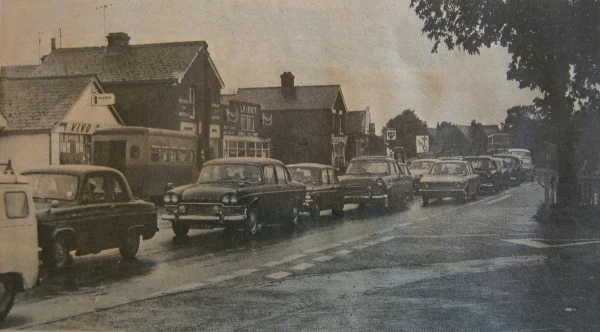
Sometimes in the summer months cars get stuck in long traffic jams along here, heading to the coast. Their radiators boil over and Brenda and her friends run out of their houses with jugs of water and offer it to the motorists for a penny.
Further along on the left and opposite Brenda’s house is the entrance to Marks Tey Hall, with its long private drive called The Chase and its two old chestnut trees at the entrance. Brenda and her friends play in the meadow between the road and the Hall, picking buttercups, daisies and violets, and climbing the old trees, but the man who grazes his cows there is always shouting at them to go away.
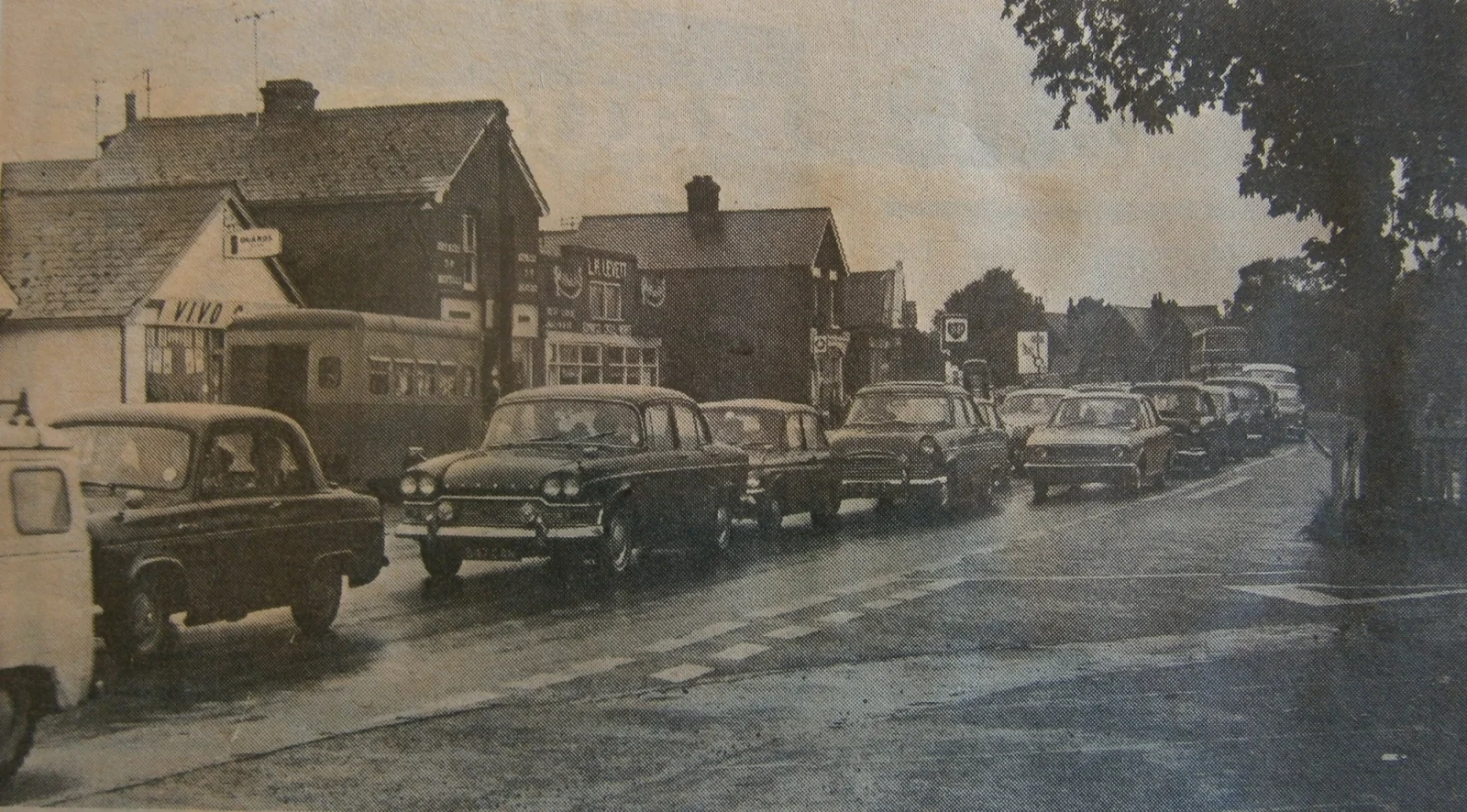
Old London Road
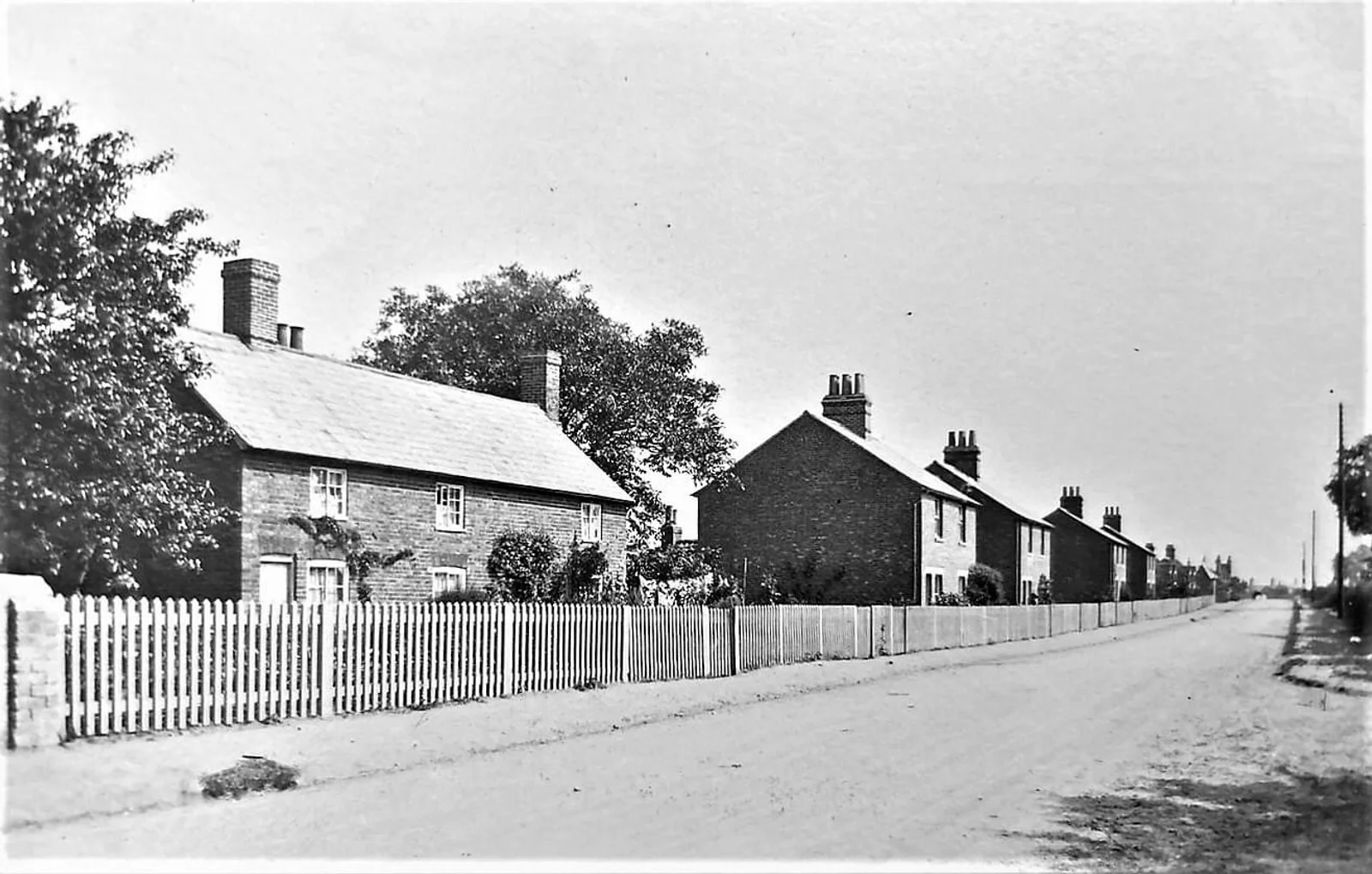
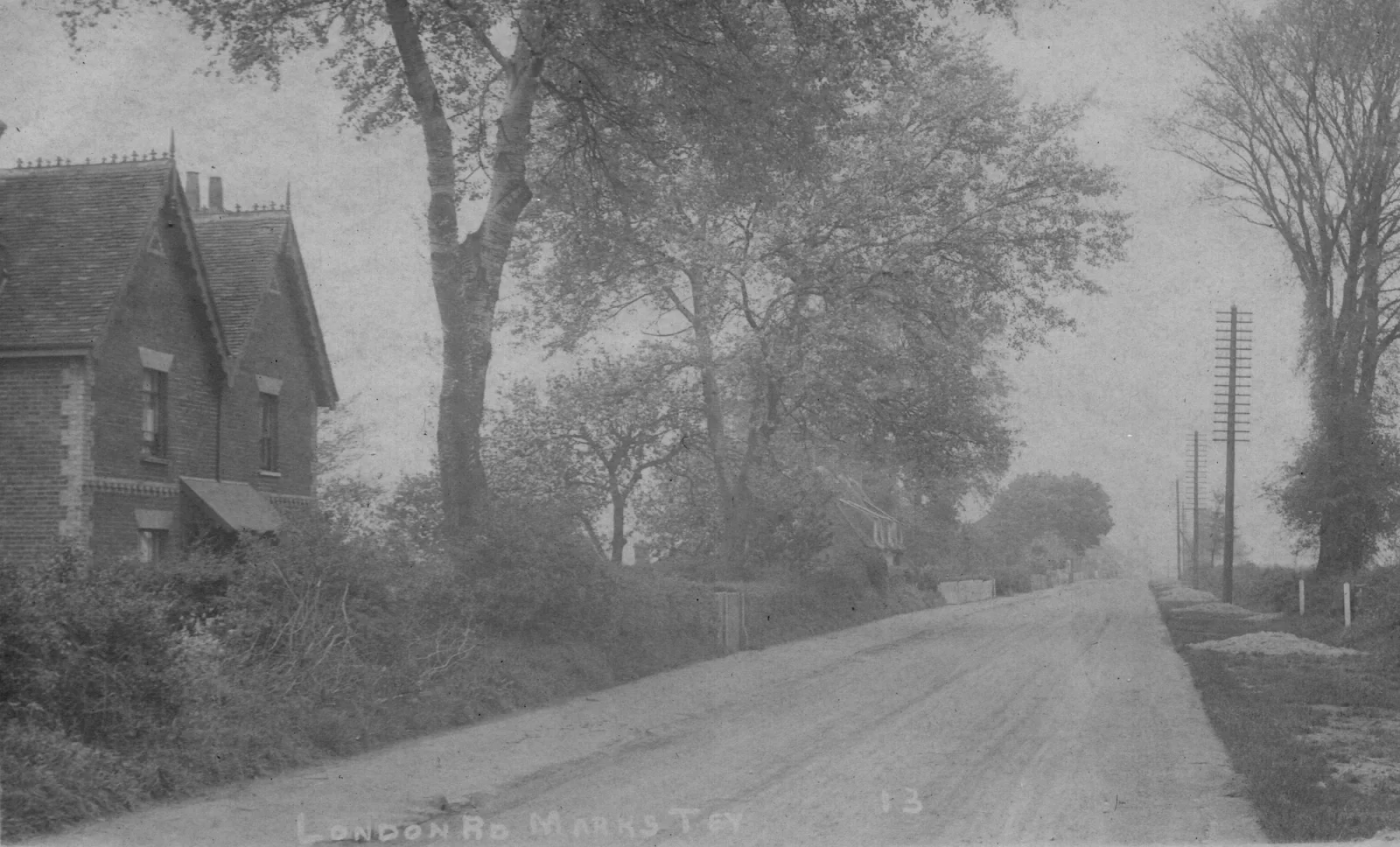
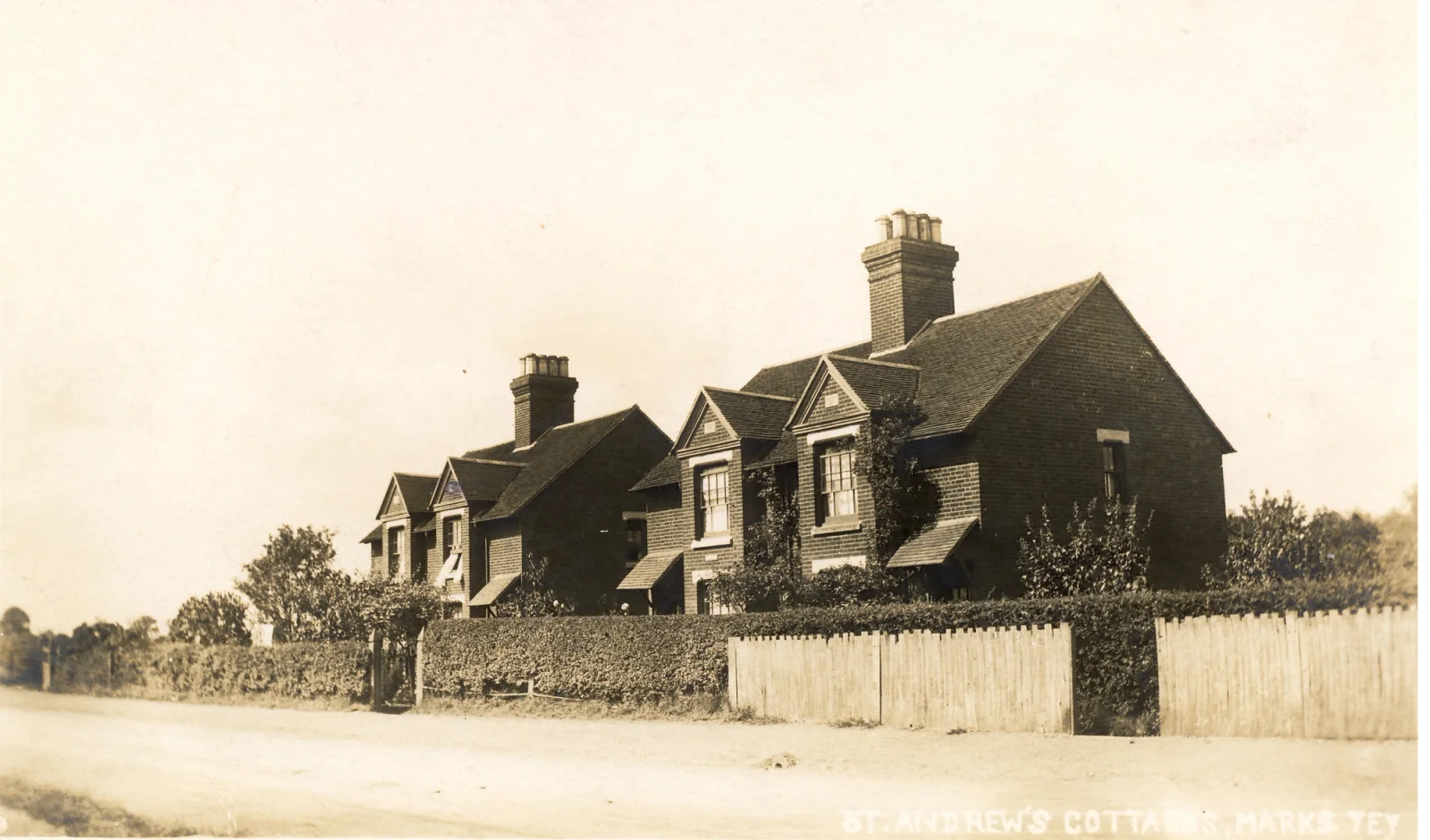
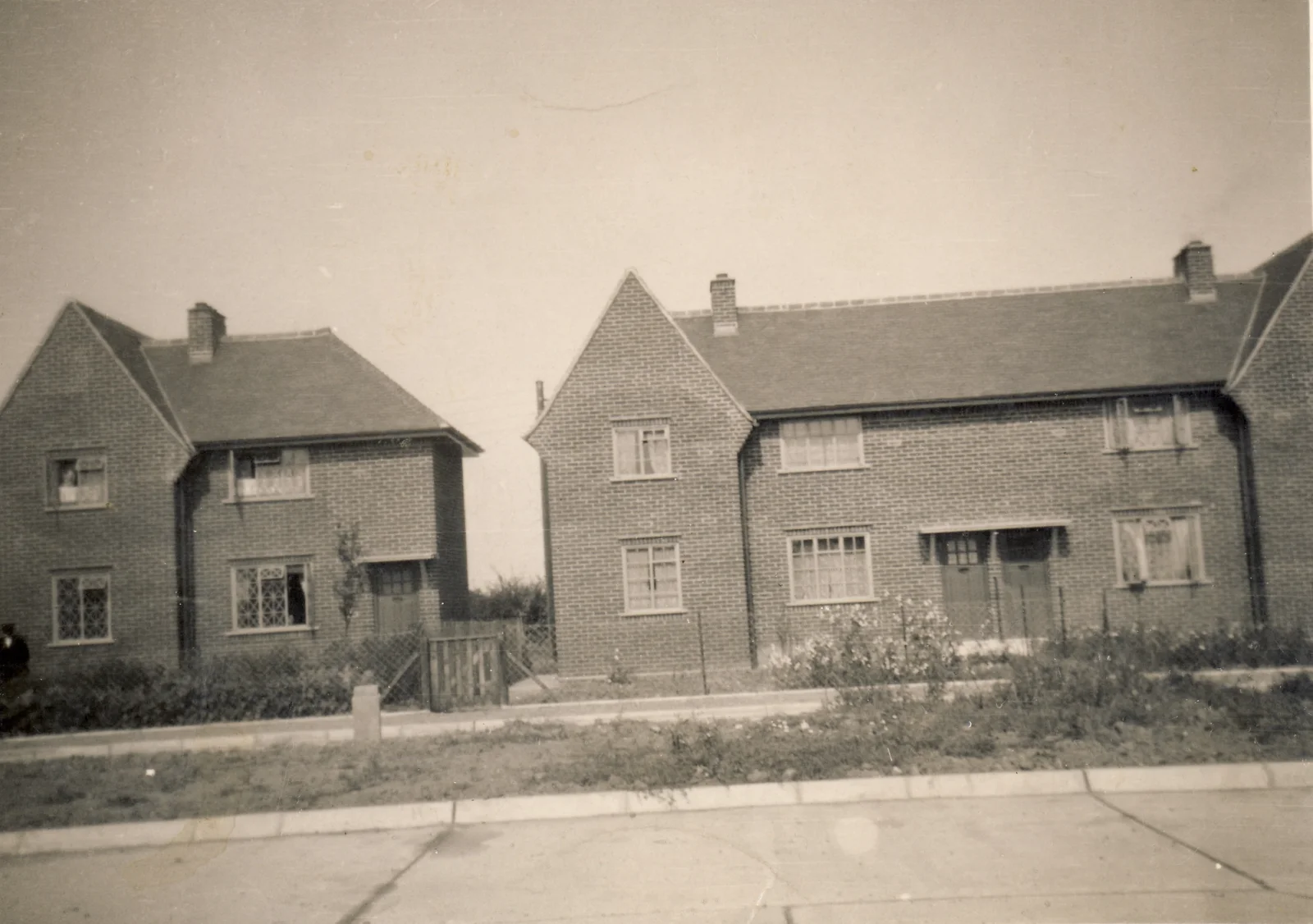
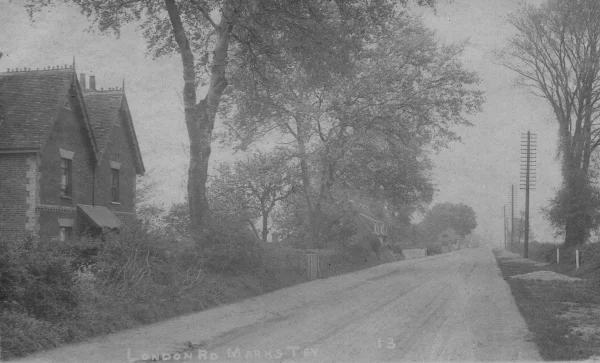
To reach the next part of Brenda’s walk, the modern walker needs to retrace their steps and go over the footbridge towards Marks Tey station. This part of the village will see a lot of change, first in the 1930s when the road becomes a dual carriageway and then again in the 1960s. Some of the houses here will remain but with a new address, now Old London Road, but others, like the school and Brenda’s house, will disappear.
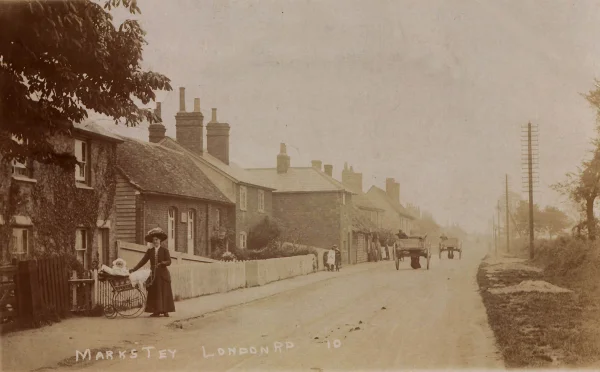
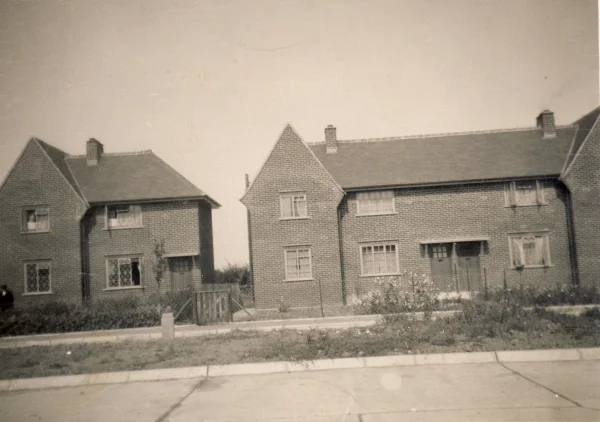
The gardeners who work in the well-tended Rectory gardens live in the red brick cottages along here. There’s the man who fixes the Wilbys’ shoes and the blacksmith’s which is always busy shoeing horses, but these are all gone today. The Baptist Chapel is along here too. It closes as a chapel in the early 1920s. Brenda won’t mind too much, as it becomes a bakery and she buys 1/2d Saturday morning doughnuts there. Later it becomes a house. Other times she will spend her ‘Saturday copper’ at Aunt Minnie’s shop. Eventually Brenda will move to a house in the newly built The Crescent along here.
If Brenda takes the footpath at the back of the Baptist Chapel, she will cross the fields to the iron bridge on Coggeshall Road, a short cut to church on Sunday. Here are fruit trees planted by Mr Barleyman and nearby the Stebbings family live in a large double fronted house. Miss Stebbings sometimes rides out with a pony and trap.
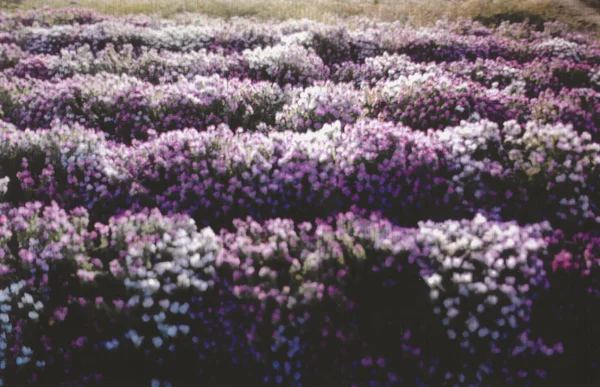
Continuing further along London Road, now Old London Road, is Dobbies Seed Farm. This will become By-Pass Nurseries in the future. Dobbies set up in Marks Tey before Brenda was born. The surrounding fields grow full of fragrant sweet peas and the nursery greenhouses are a familiar sight, along with the spring daffodils and primroses growing on the verges here each spring. Along Dobbies Lane and over the railway you reach Jays Lane and Wilsons Lane with a scattering of houses before reaching Coggeshall Road.
Across the fields to the church
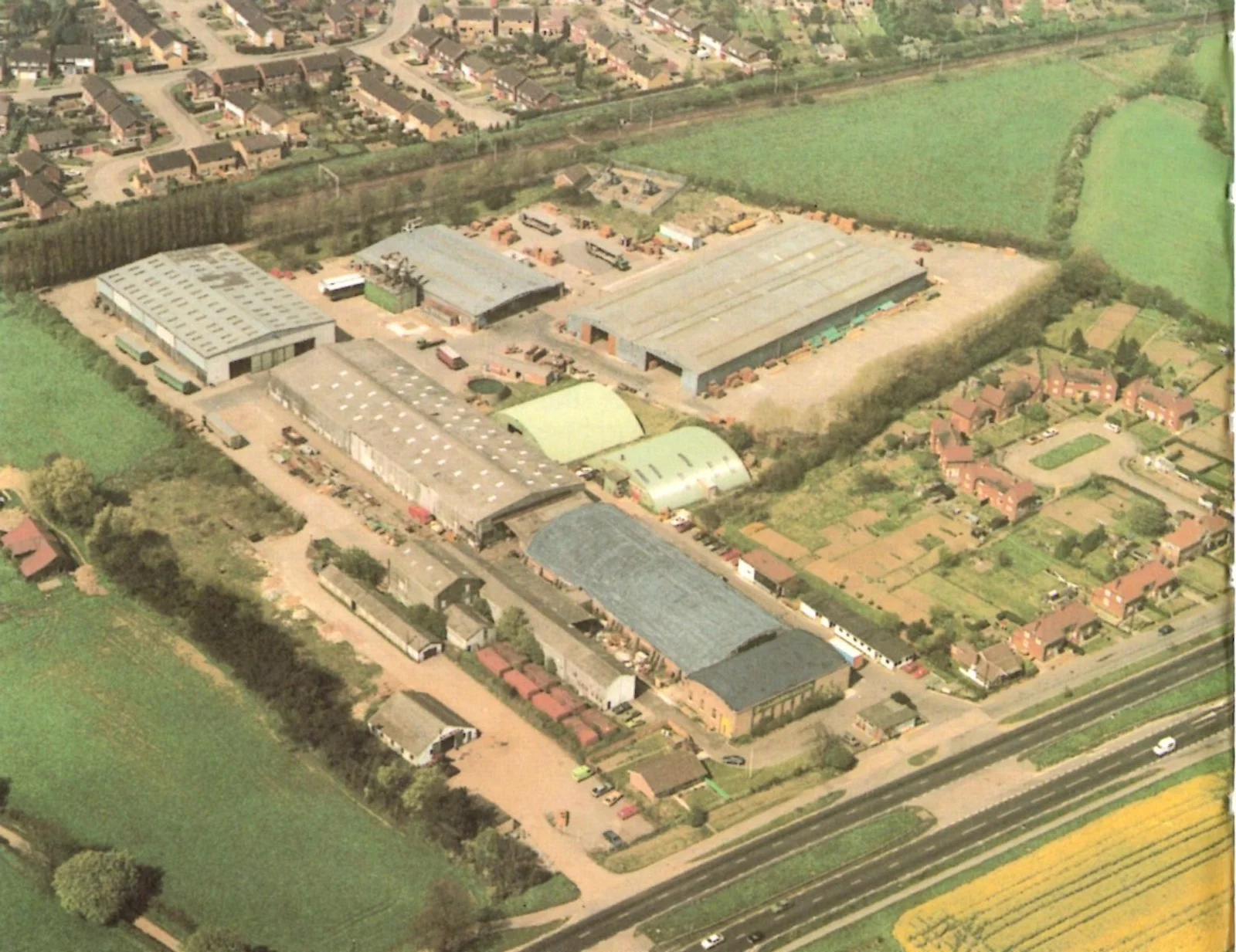
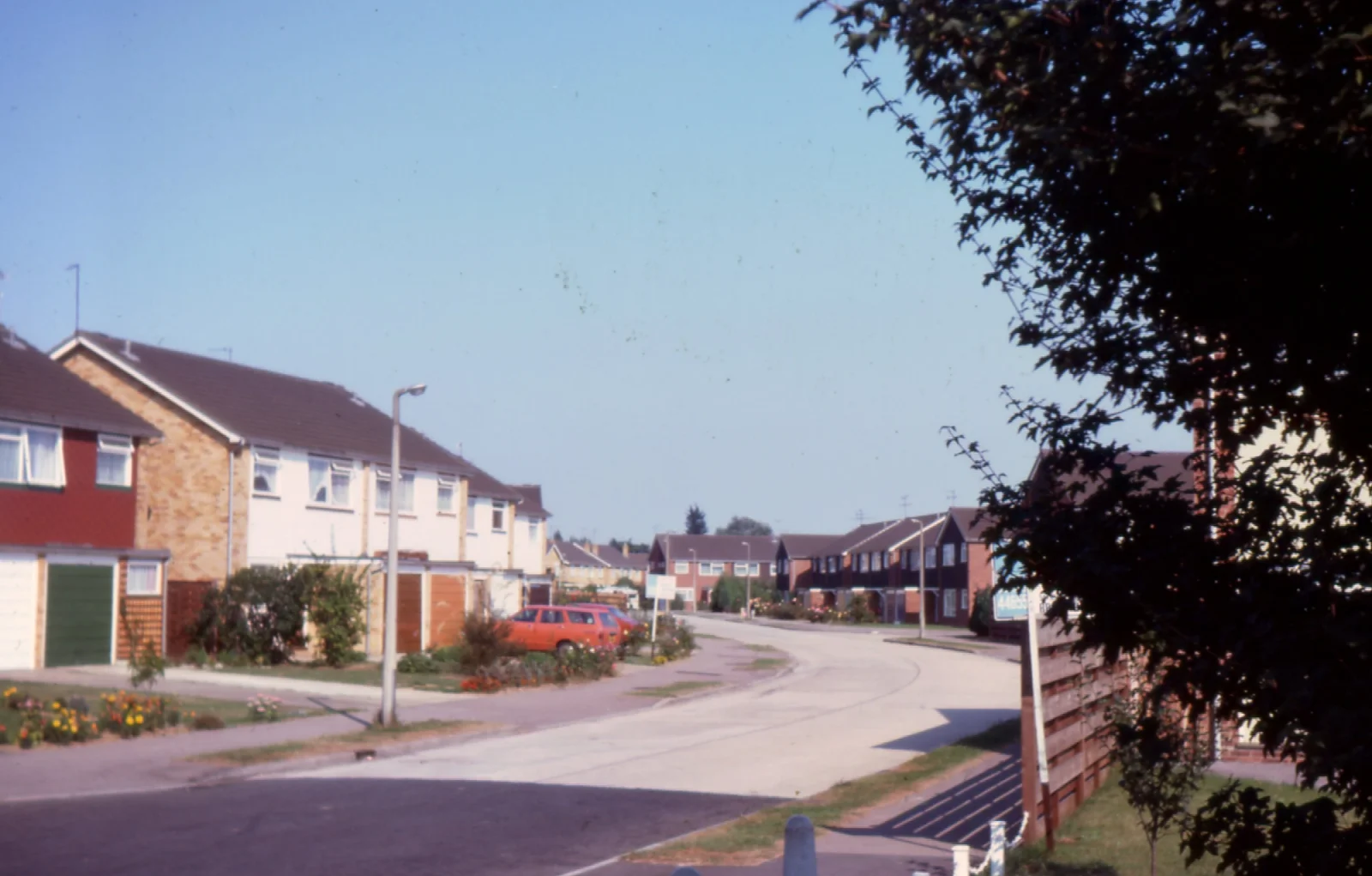
Reaching Coggeshall Road from the new estate today is very different to when Brenda was small. The fields and buildings such as the Red Lion remain largely unchanged until this was developed as the Little Marks Estate (east of Jays Lane) and the Colne Park Estate (west of Jays Lane) in the 1960s and 1970s.
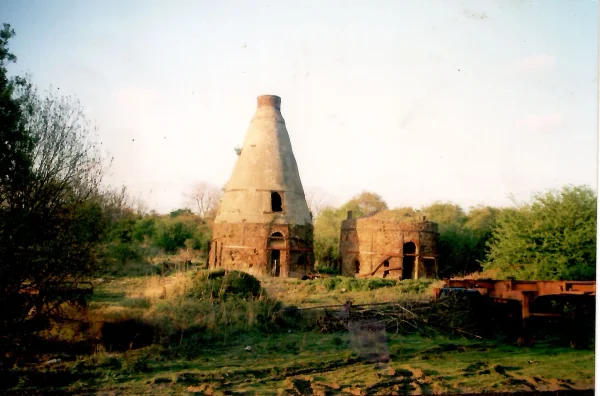
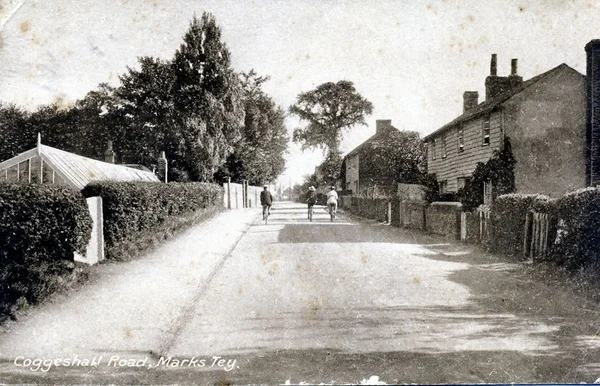
Walking back along the road towards the village, Church Lane is on the left leading to Collier’s brick works. Opposite the end of the lane are cottages with steps down to reach their front doors. Across the Iron Bridge and past the Flyover nursery, Brenda will reach the Rectory. Before the railway arrived in the village in 1843, the vicar could make his way from here to St Andrew’s Church across the fields at the back, but that’s long before Brenda’s time. There is a meadow between the Rectory and Station Road and in the summer, Brenda looks forward to the flower show and fair taking place here and activities put on in the church hall behind the school. After Brenda leaves school the church hall will be hired as additional classroom space, but eventually the whole school will be knocked down and relocated. Another place for the village children to play is along North Lane where a brook crosses the road and makes a favourite spot for paddling – some boys even swim in the deeper parts of the brook here.
Station Road
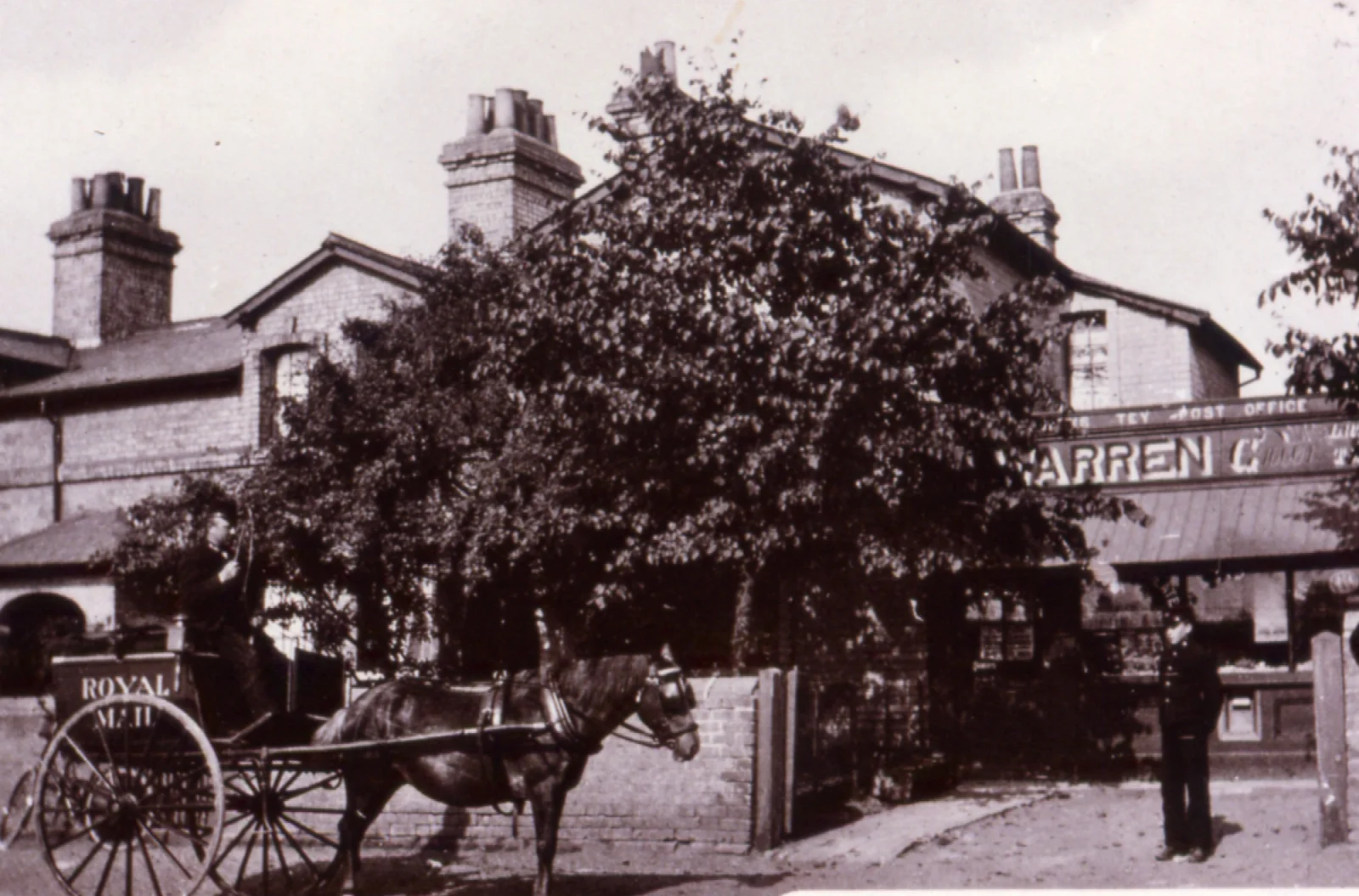
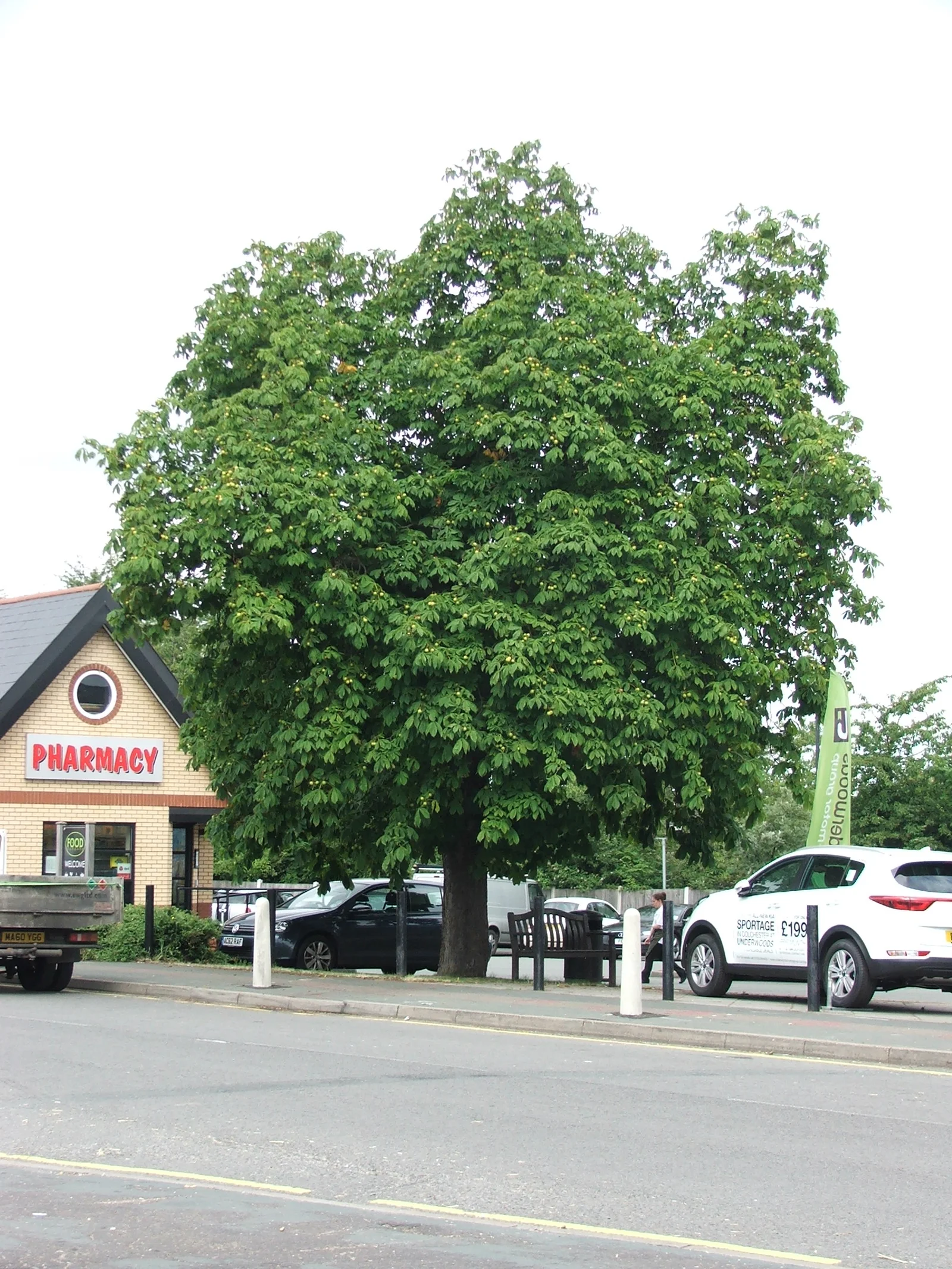
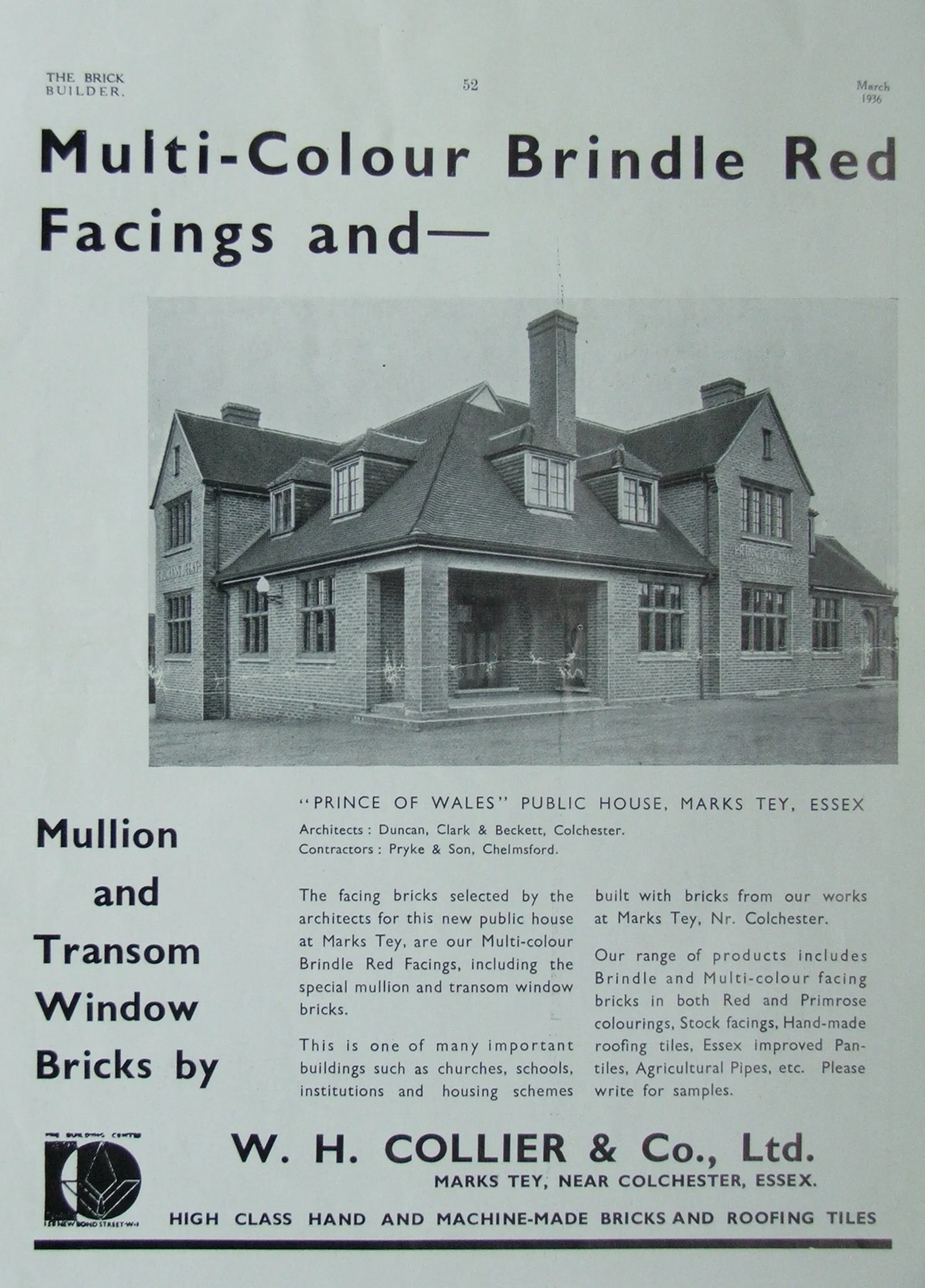
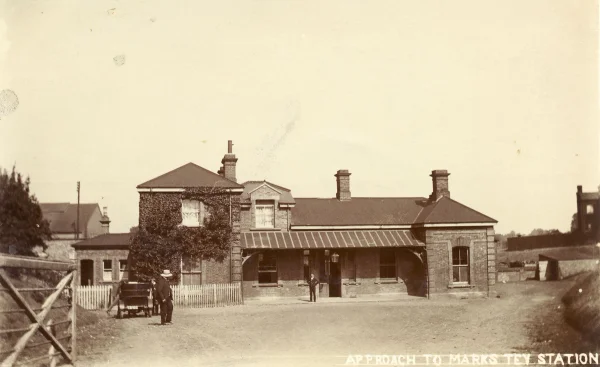
Coming back to the village and walking along Station Road Brenda walks past The Maltings, a long building on the corner where seeds and corn are kept and sold. There is a post office with a grocer’s shop and a bicycle shop, although Brenda is still little when that moves to London Road. The modern walker needs to come back over the footbridge and imagine how it would have looked as they have long gone. At the other end of Station Road is the Prince of Wales pub and one of the many chestnut trees planted around the village in 1911 for the coronation of George V is here. Brenda will watch it grow and become the only one in the village to survive. The pub itself will be rebuilt in the 1930s and eventually demolished. This leads back to junction 25 of the A12 and just about where we started the walk.
Find out more
Some of the Marks Tey Brenda knew as a child remains today but some imagination is needed in the modern walker’s mind to recreate the village as it was.
Marks Tey Heritage Project is bringing together the history of Marks Tey in one place. To take a look at other places seen by Brenda on her walk search the collection for places and names.
Archive results related to A walk around Marks Tey in the 1920s
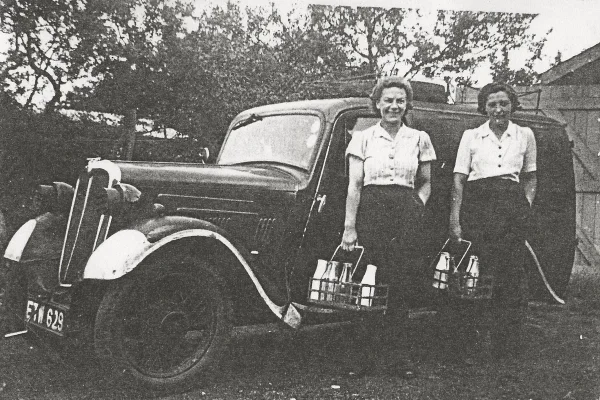
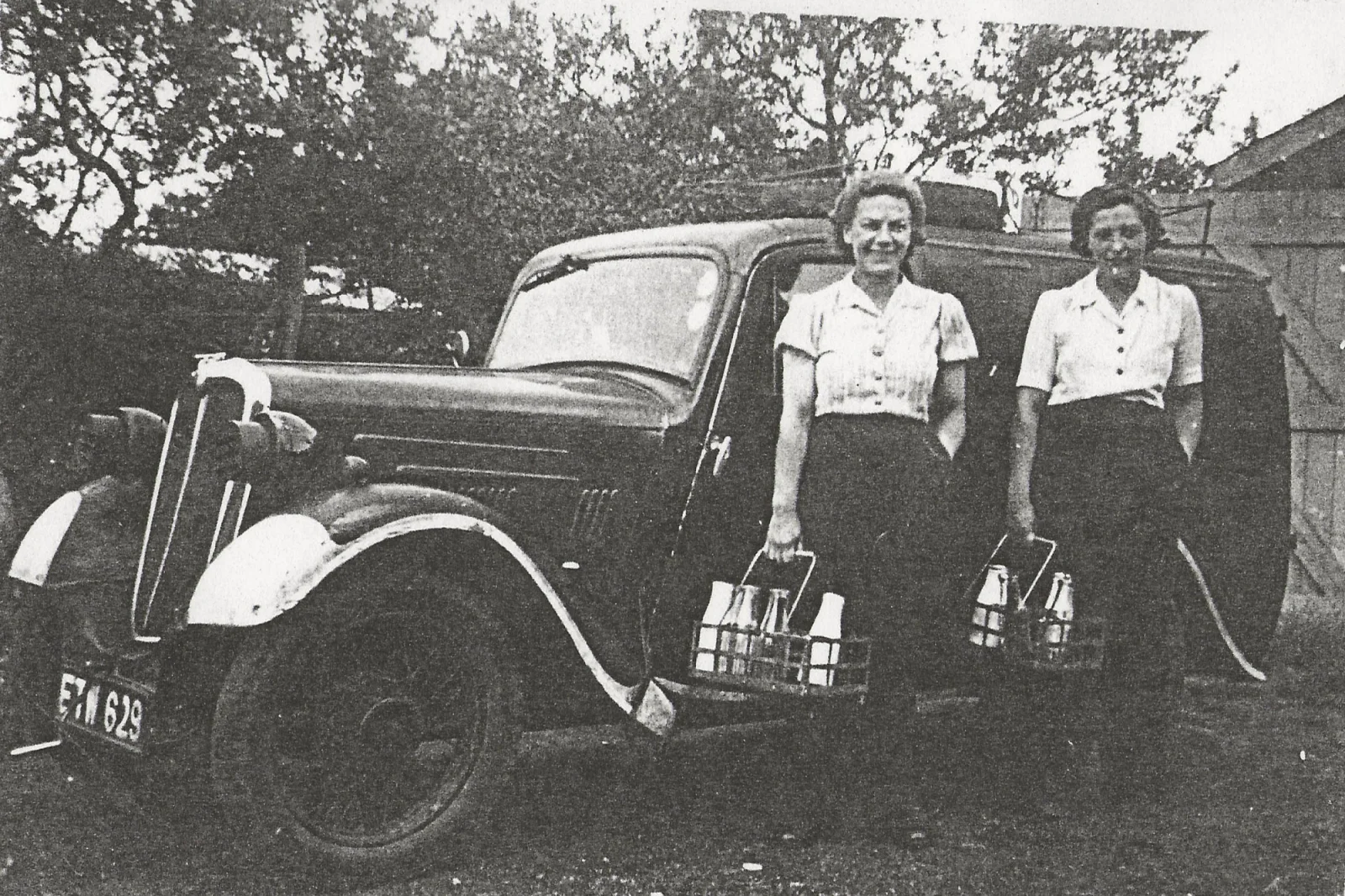
Milk deliveries in WWII
c1940
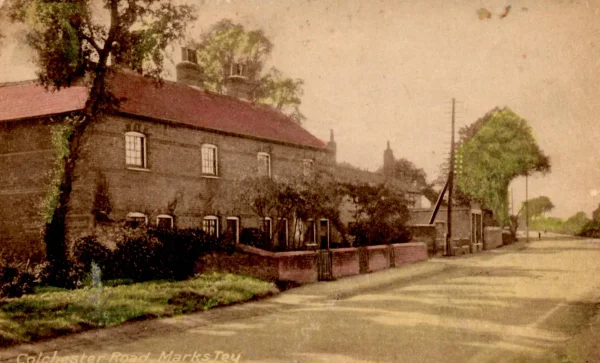
Rice's Cottages, London Road
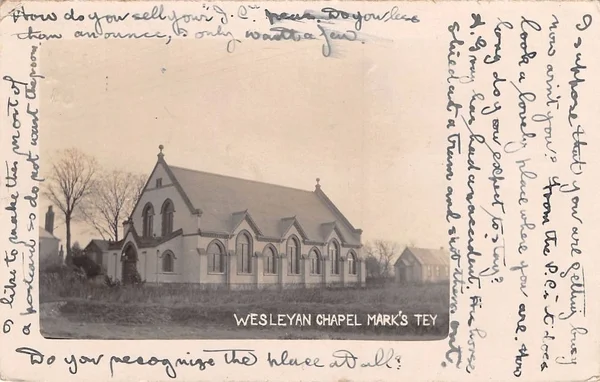
Marks Tey Wesleyan Chapel
1905
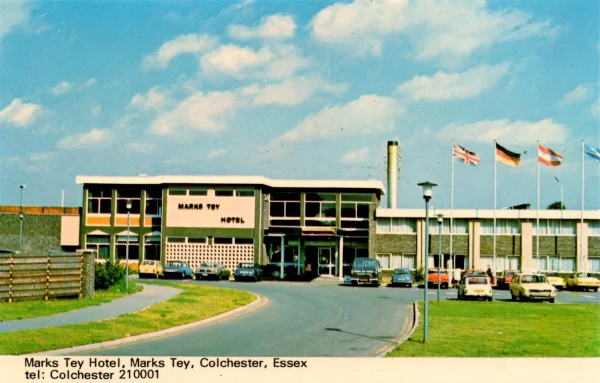
Marks Tey Hotel postcard, 1972
1972
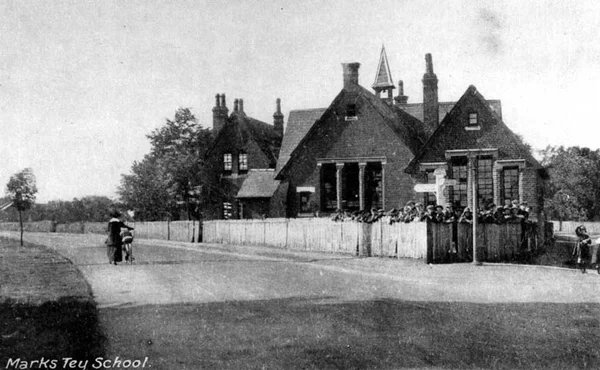
Marks Tey School
AA man next to original school
Road next to original school
Looking towards the school
1907
Junction London Road & Station Road from Prince of Wales PH towards London
1967
Houses on Old London Road
Old London Road, Baptist Chapel and smithy
St Andrews Cottages, photo 1
c1910
The Crescent
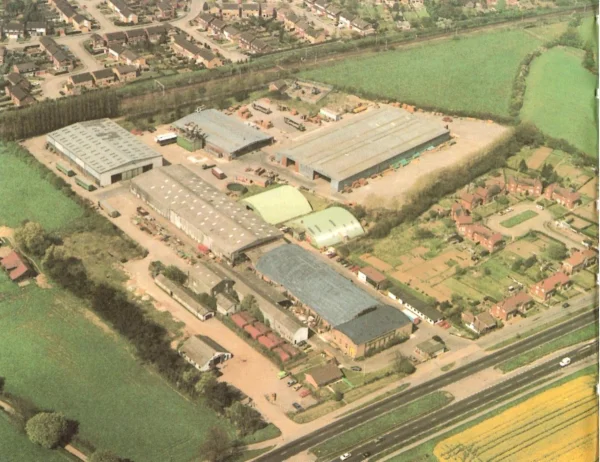
Aerial view of Andersons
1970s
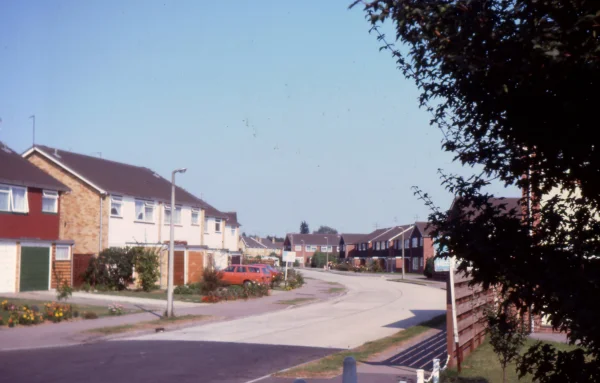
The New Estate
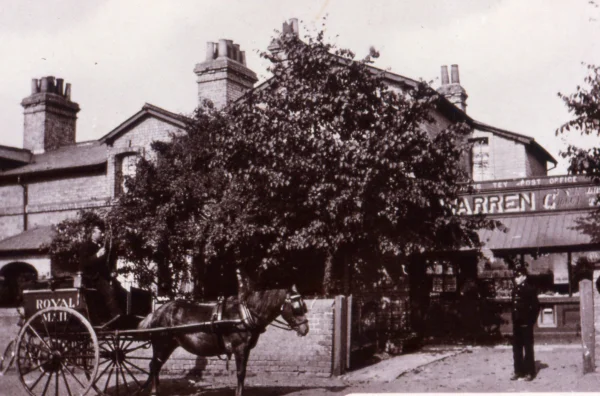
Post Office
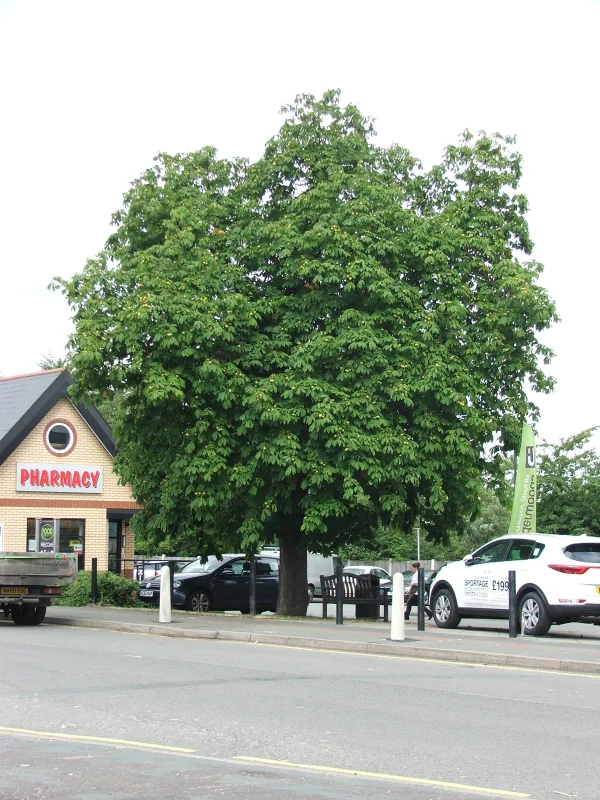
Coronation Tree, London Road
2016
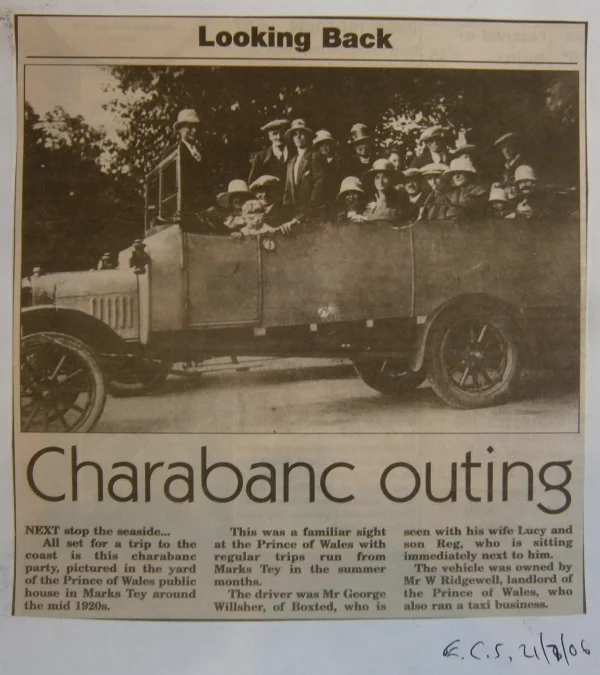
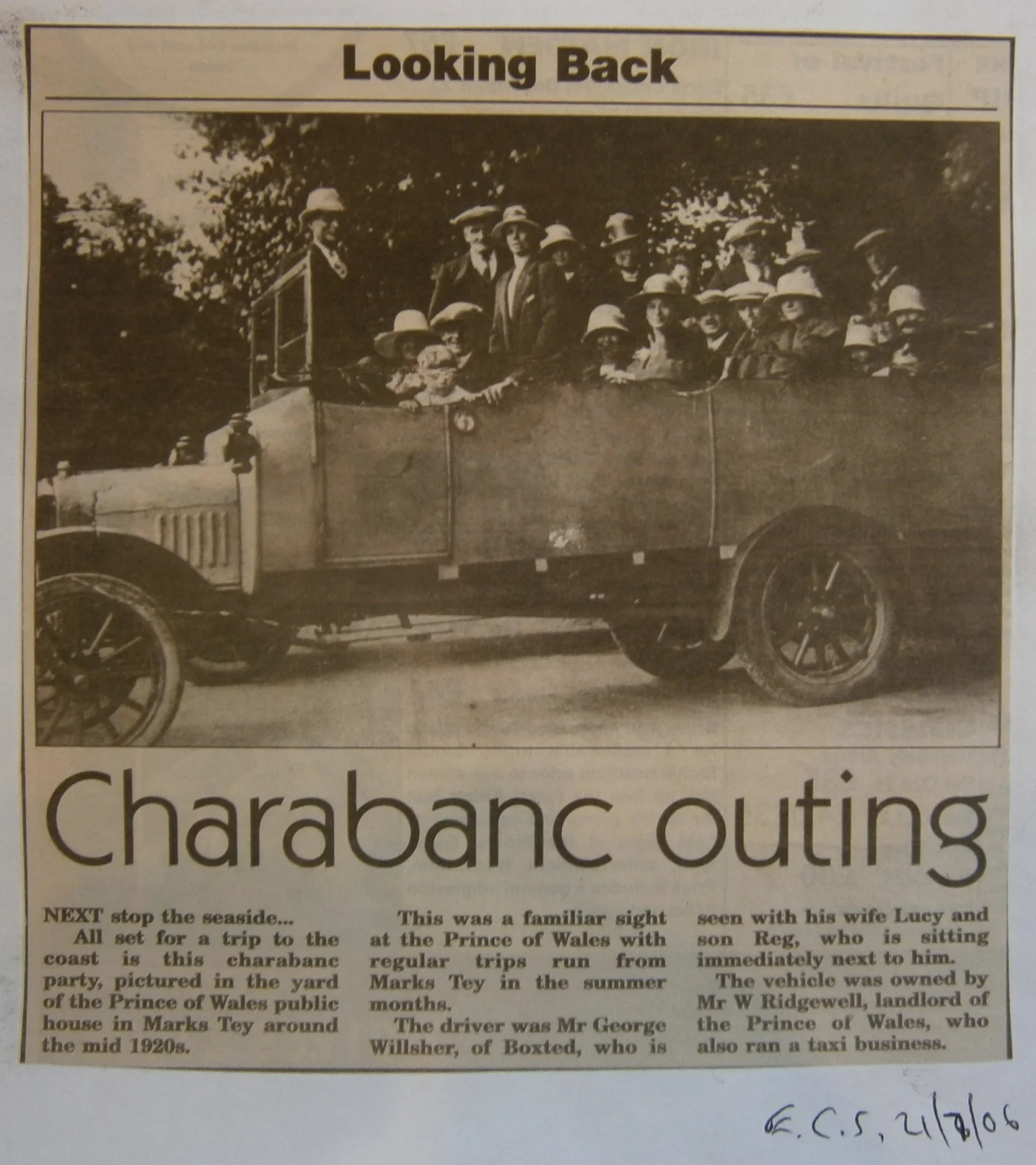
Charabanc outing from Prince of Wales
1920s
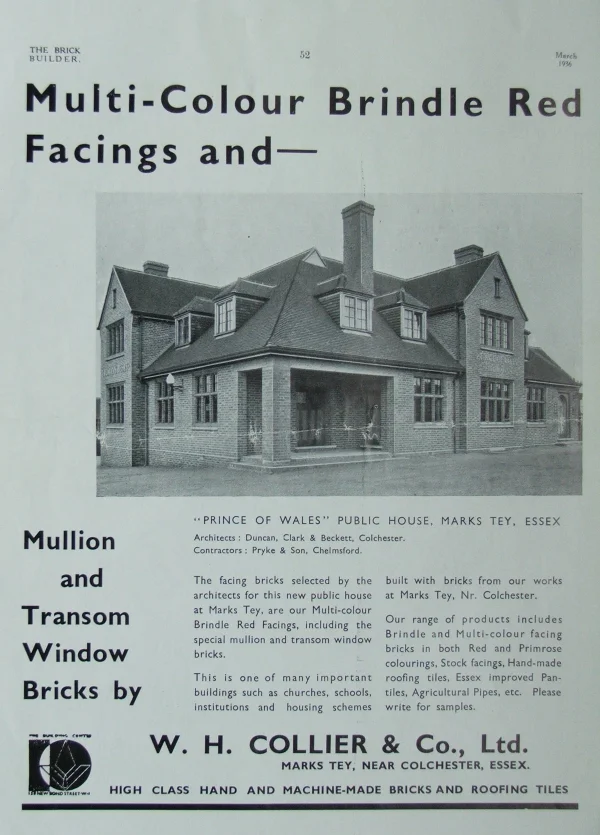
Prince of Wales WH Colliers Advert
1936
Explore more stories
INDUSTRIES OF MARKS TEY
Flowers & seeds
BRICKMAKING IN MARKS TEY
Brick is beautiful
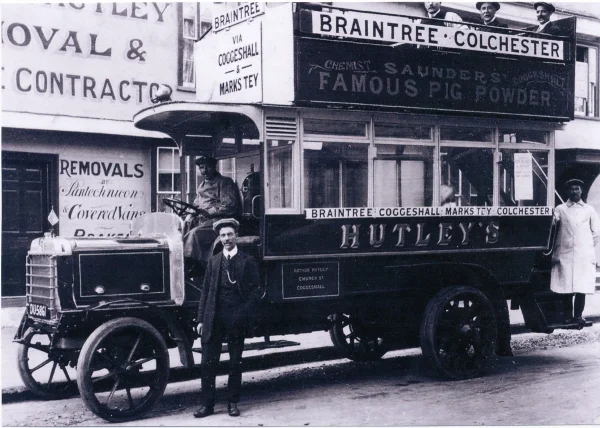
TRANSPORT
Getting around Marks Tey
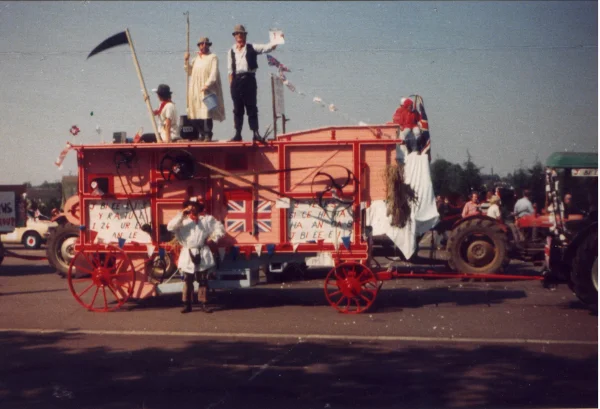
Marks Tey Carnival in the 1970s
Blooming Marvellous!
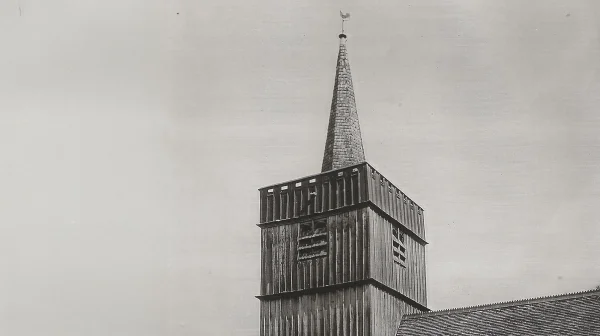
CHURCHES OF MARKS TEY
A spire and its stories
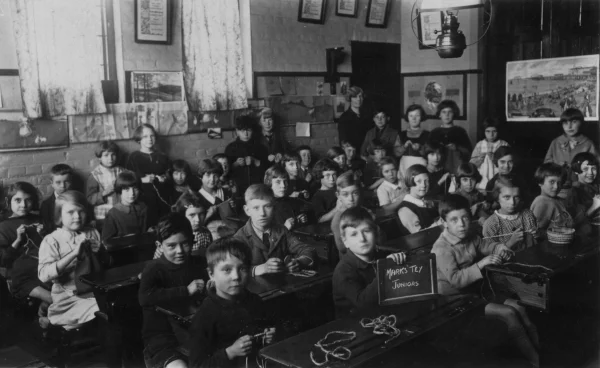
A SCHOOL FOR MARKS TEY
Marks Tey school days
World War comes to Marks Tey
Wartime Marks Tey
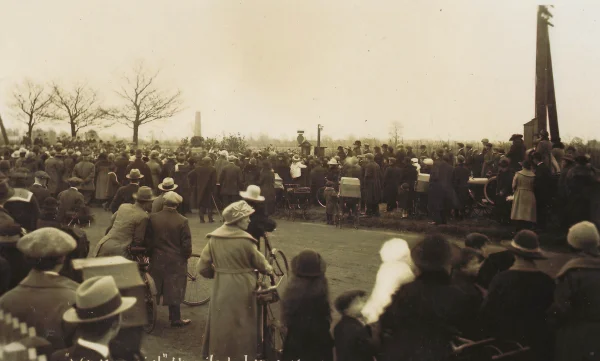
LIVING HISTORY TALKS
Origins
Places names in marks tey
Tey at Elms & other names
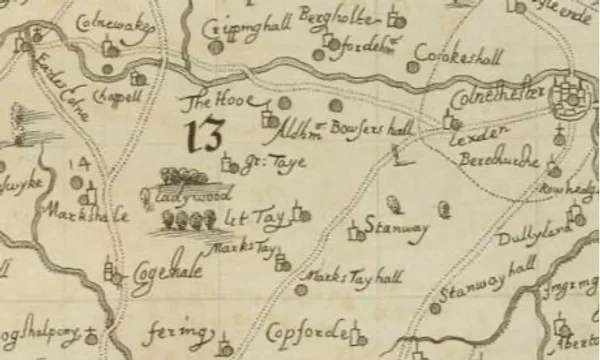
LIVING HISTORY TALKS
Building of the Church

LIVING HISTORY TALKS
Marks Tey Cricket Club
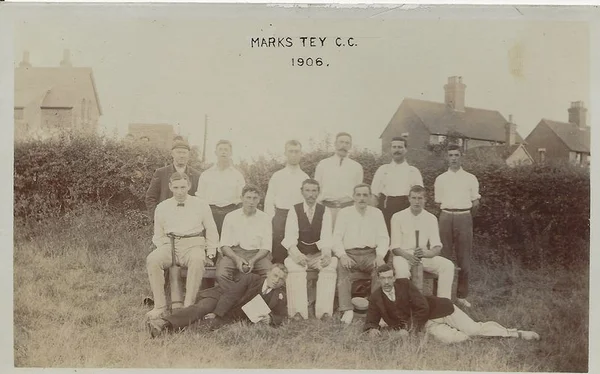
LIVING HISTORY TALKS
Impact of the Railway
LIVING HISTORY TALKS
The Famous Case of William Steel
LIVING HISTORY TALKS
1944