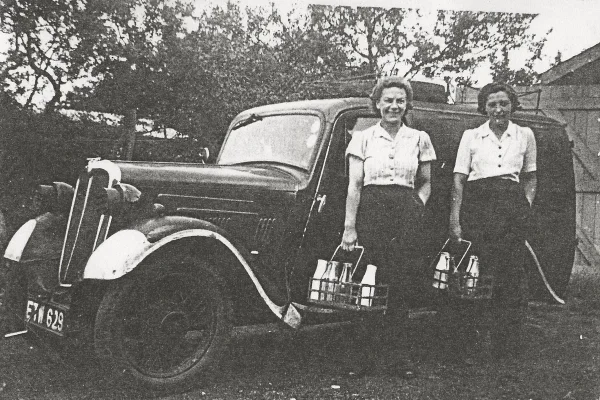
Getting around Marks Tey
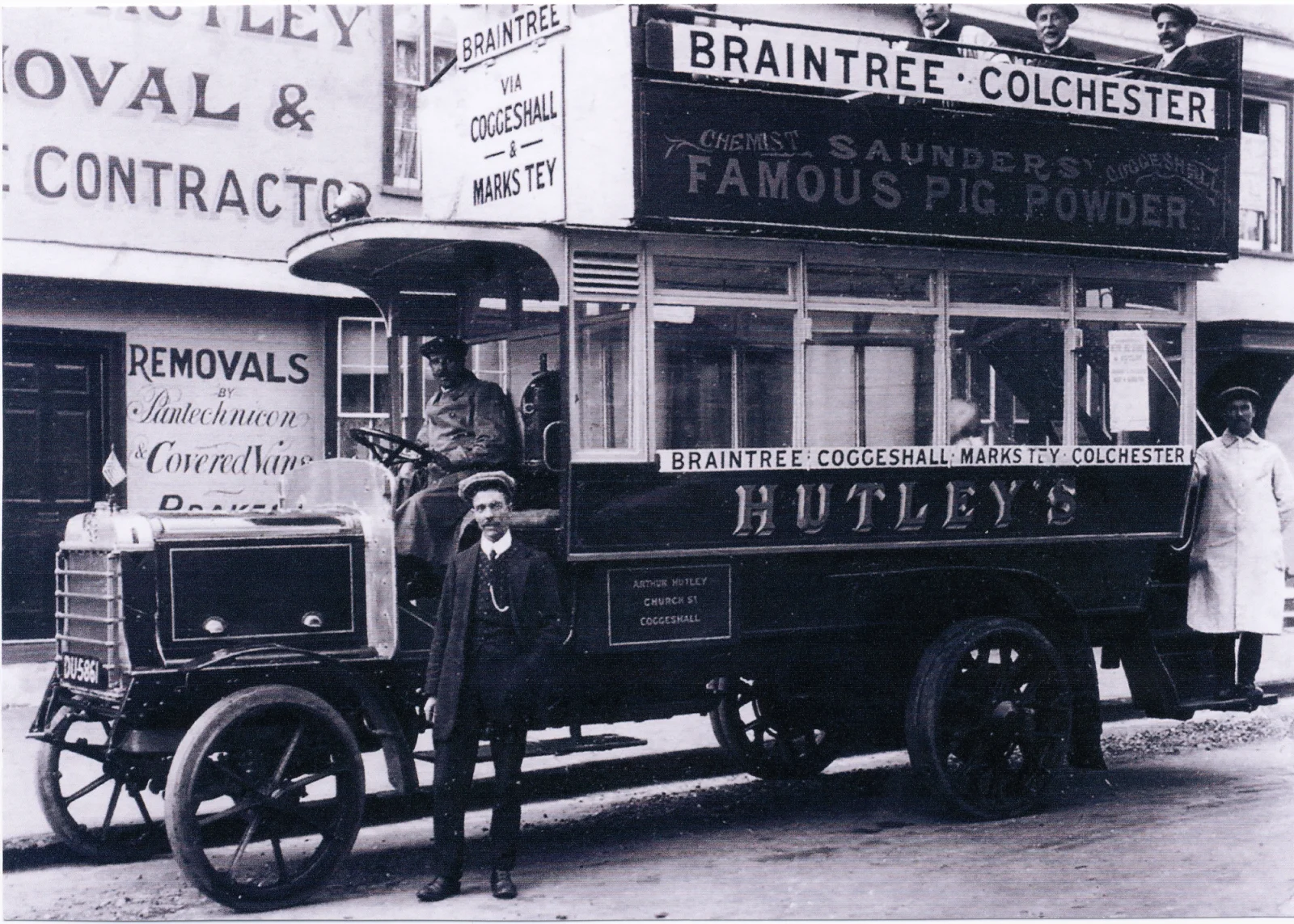
TRANSPORT
As today’s traffic hurtles along the A12 and A120 and the fast train races its way to London or Norwich, it’s hard to think about a time when roads and rail moved at an altogether slower pace. Our project researcher thinks about how well-connected Marks Tey was in the days before cars.
Explore story →
The early days
Did you know that Marks Tey is located at the junction of two Roman roads? One road, Stane Street went off to Coggeshall and beyond, and the other went down to London. The Romans liked to build their roads as directly between points as possible, and while this made moving soldiers around the country quick and efficient, it also benefitted the locals who could travel along reliable road surfaces all year round. Spaced out along these roads the Romans also built versions of our modern service stations, offering refreshments and roadside assistance for travellers’ horses or waggons.
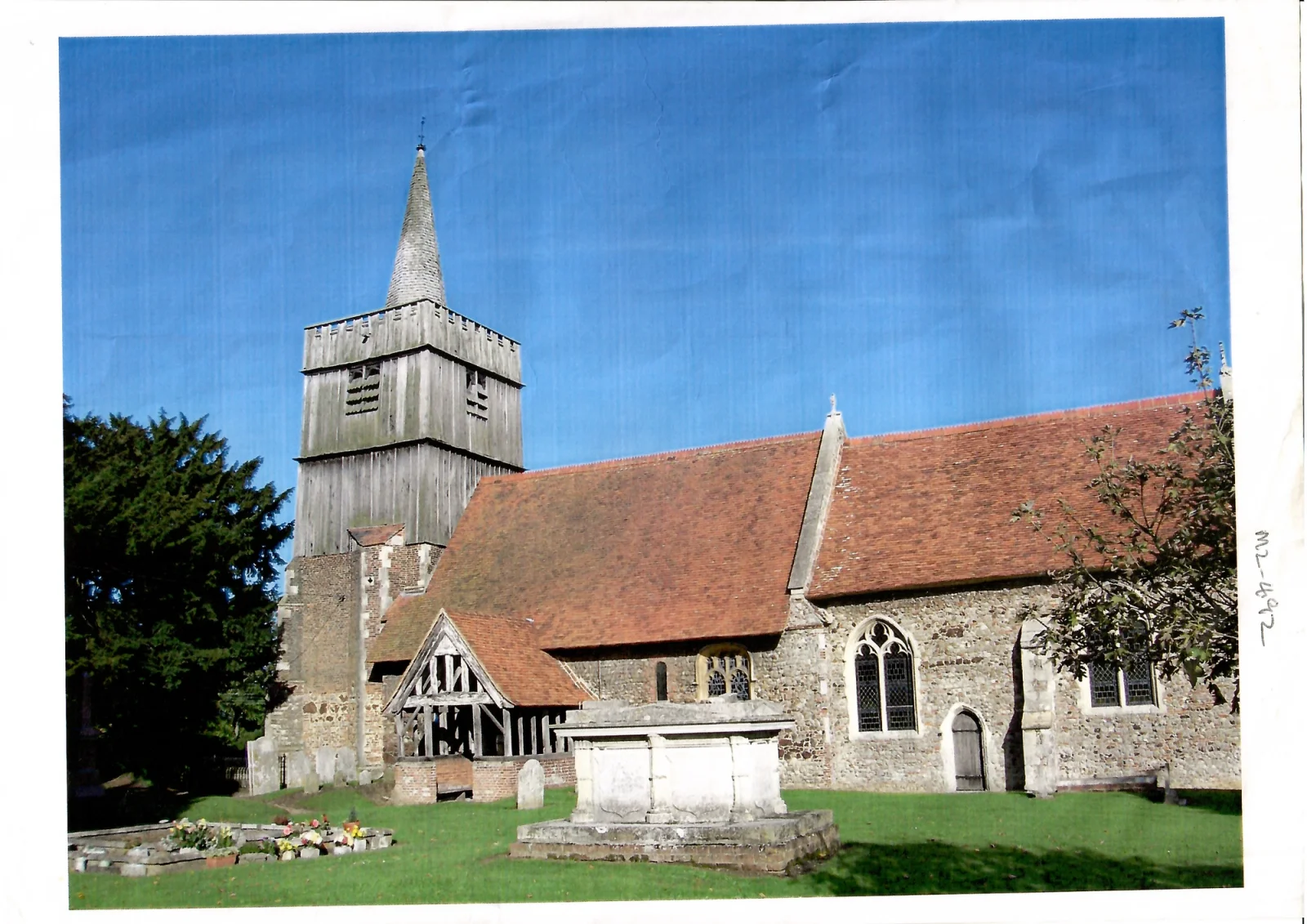
The local Roman roads fell into disrepair over the next few hundred years although their routes from Marks Tey to Braintree and London remained similar. An Act of Parliament in the 16th century made parishes responsible for their roads and as a result, each summer churchwardens at St Andrew’s Church would allocate six days for road maintenance and require each householder in the parish to attend, either themselves or to send workers, horses and carts. These days were for ditch clearing to prevent flooding, filling holes and doing any other jobs to make the roads passable. If the roads weren’t maintained the parish risked a fine.
The Great Essex Road: ‘very ruinous and almost impassable’
As traffic increased, measures were strengthened to keep the roads running smoothly and to pay for their upkeep.In 1695 the Turnpike Act introduced a network of toll roads across the country. In Essex, the Essex Trust took over responsibility for the stretch of road passing through Marks Tey from Kelvedon to Stanway known as Domsey Road, and the road from Marks Tey to Coggeshall. A little round house on the corner of Church Lane was known locally as the Toll House, presumably because that is where the fee was paid. The turnpike road was free for pedestrians to use but all other vehicles were charged according to the weight of their vehicles, the number of wheels on their waggon, cart or carriage, or the number of animals being moved along the road. The fees seemed to do the job, and the roads and journey times were improved.
Fast forward to the early 19th century and we get an insight into the work of a roadman maintaining the turnpike.Old Mr Barker worked for 50 years maintaining the road through Lexden in Colchester, and described his job as ‘in summer scraping the dust; in winter scraping the mud.’
“The road from the guidepost at Marks Tey to Great Coggeshall is now in good repair, and fit for coaches to go and pass therein.”
- Ipswich Journal, June 1769
The stagecoach
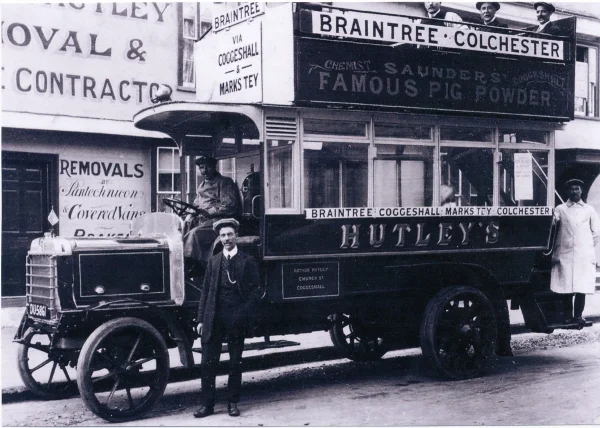
In 1700 public passenger transport was only available on a few main roads and luckily for people living in Marks Tey, the stagecoach heading on the popular route from London to Harwich ran close by along the Great Essex Road. In 1711 there were two coaches a week and 50 years later the service was daily and included a fast ‘Fly’ service. By 1800, four companies operated 18 journeys each way per week, plus there were new stagecoach services from Colchester and Coggeshall passing through Marks Tey. An advert for a house sale boasts how well connected the location is as the property is ‘on the London road where the stages are passing almost every hour of the day’.
An alternative to the stagecoach was the Mail coach. When Henry VIII established a letter carrying service a network of inns and staging posts was developed along routes to ensure riders or coaches could change their horses and continue the journey. Mail coaches looked the same as stagecoaches but were limited to the amount of passengers they could take and had an armed guard sat on the top. They have been described as the masters of the road, speeding through the toll gates as they stuck to their strict timetables.
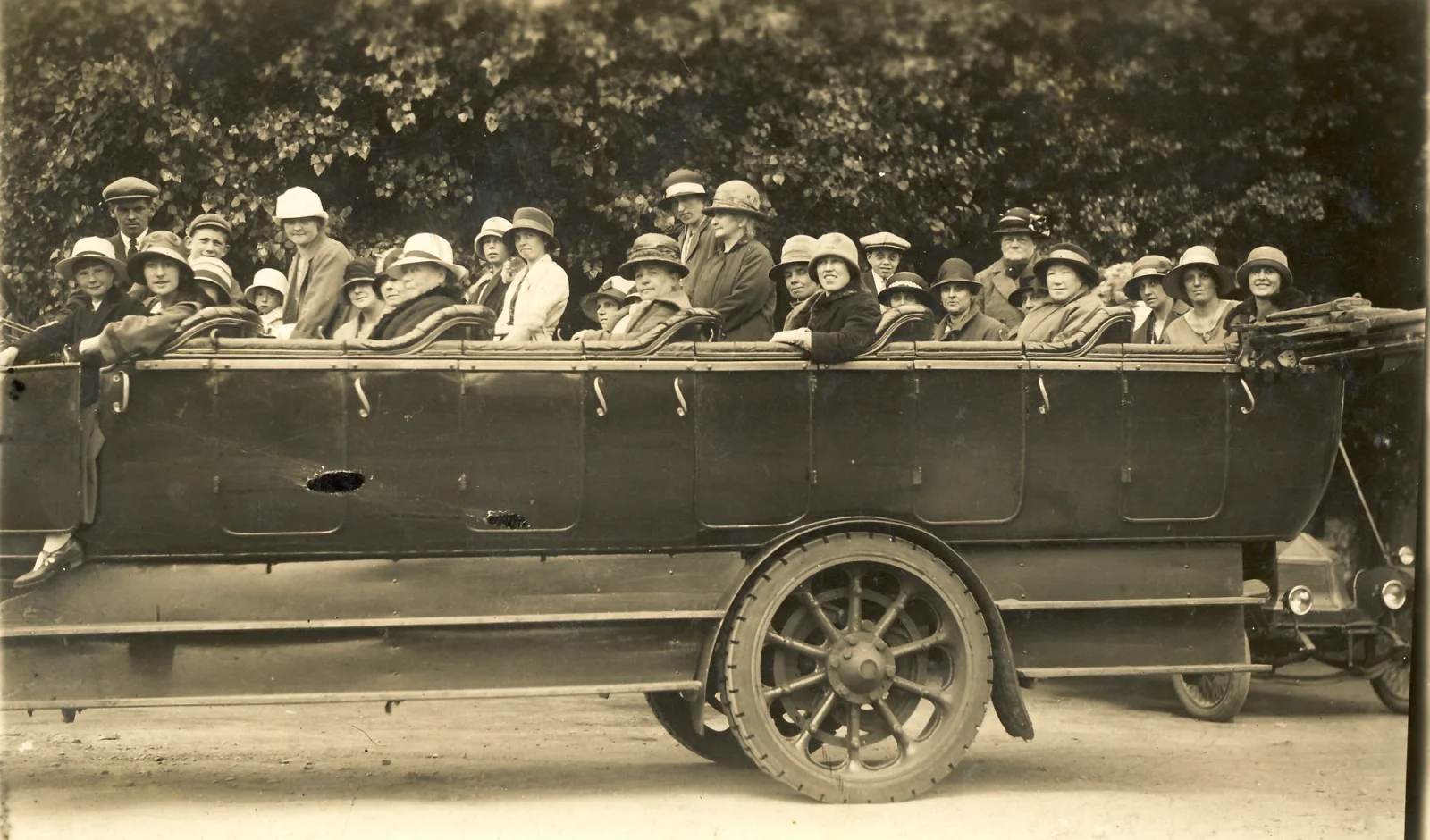
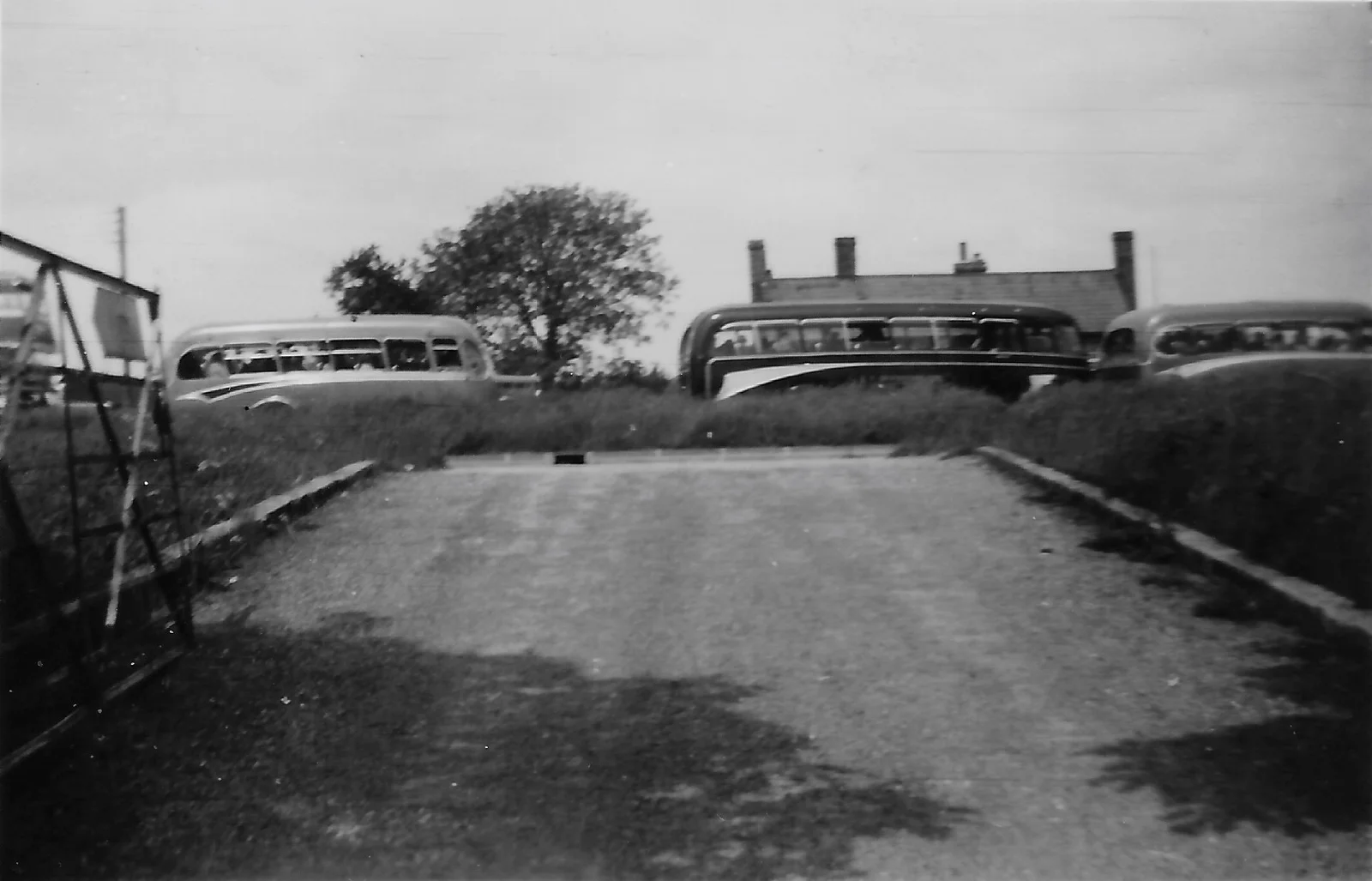
RAILWAYS
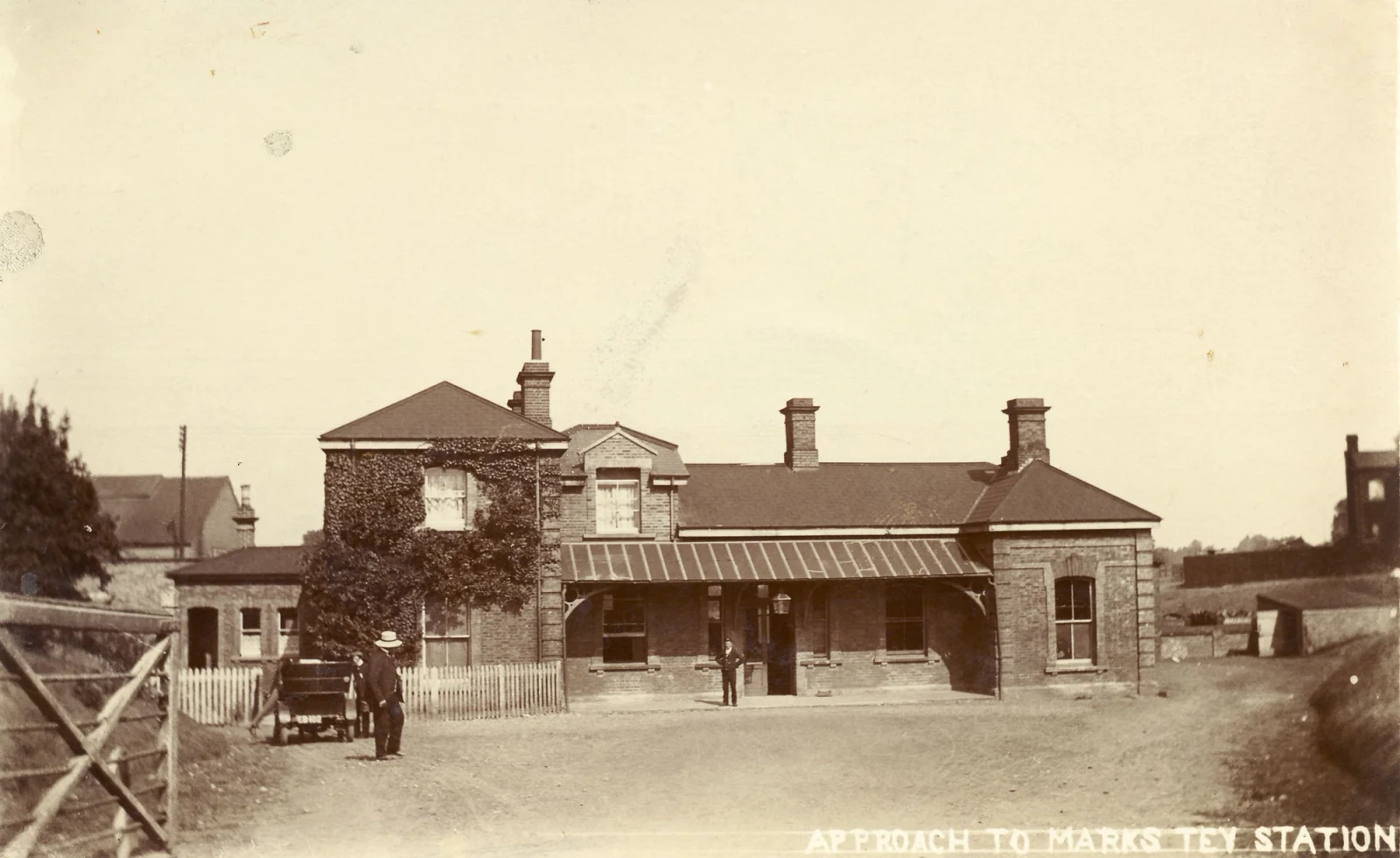
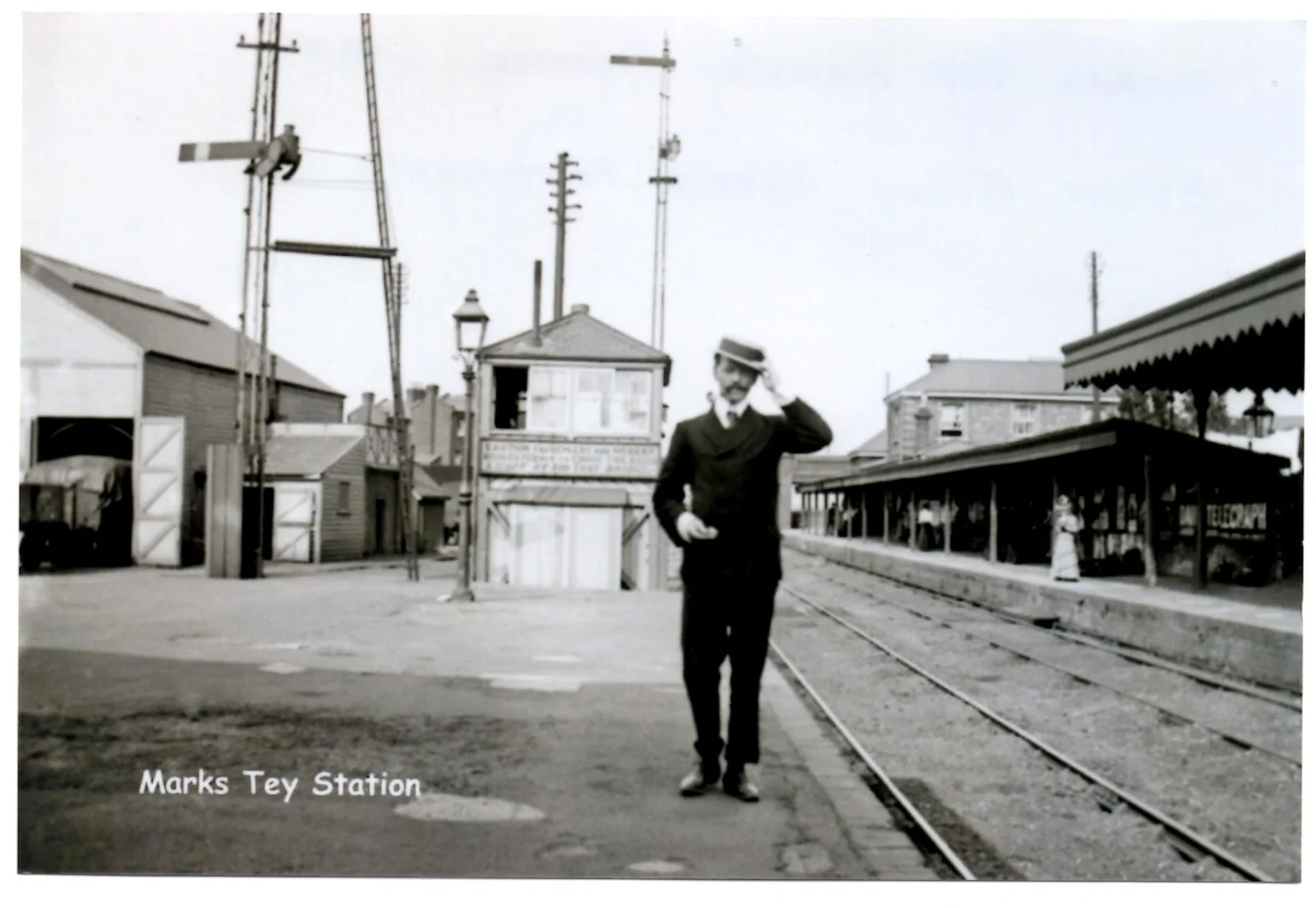
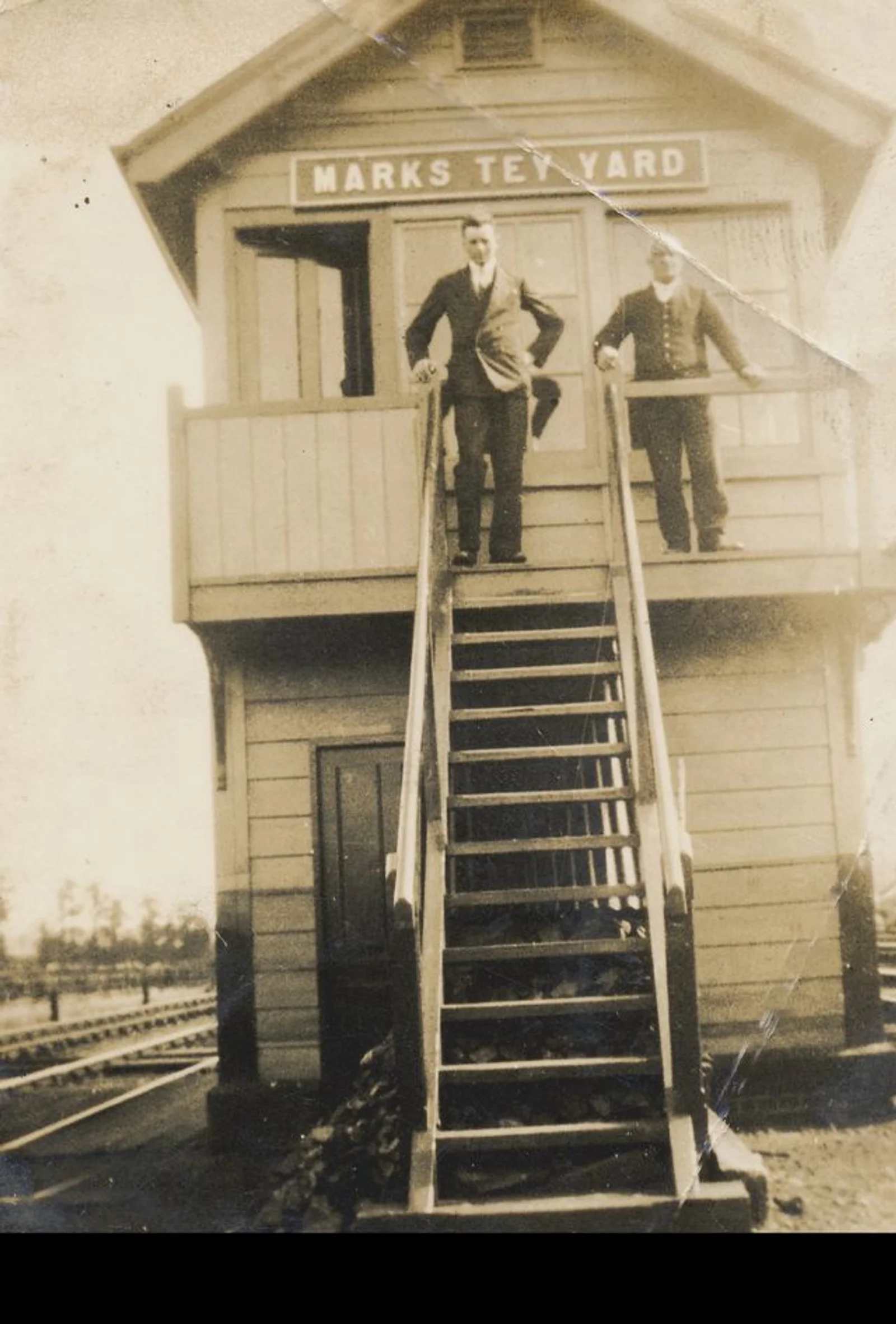
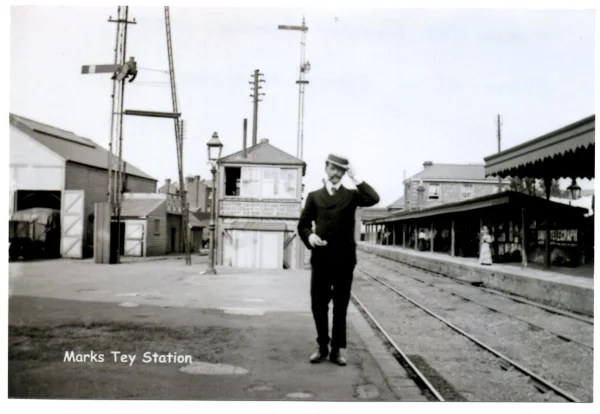
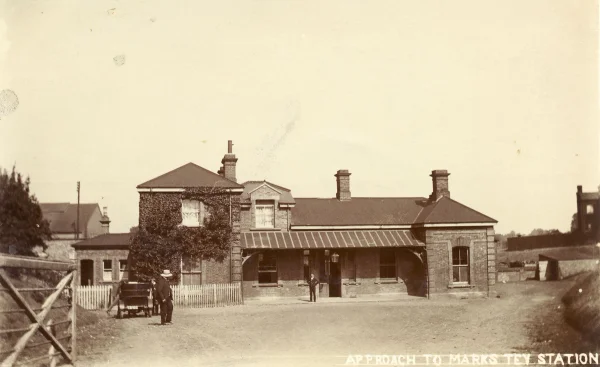
By the mid-1800s the ‘iron road’ of the railway started to stretch its way across Essex, arriving in Marks Tey in 1843. Trains ran on the Great Eastern Main Line and were joined by the Sudbury branch line in 1849. After that the station was known as Marks Tey Junction. From Sudbury travellers could make their way to Bury St Edmunds and Cambridge.
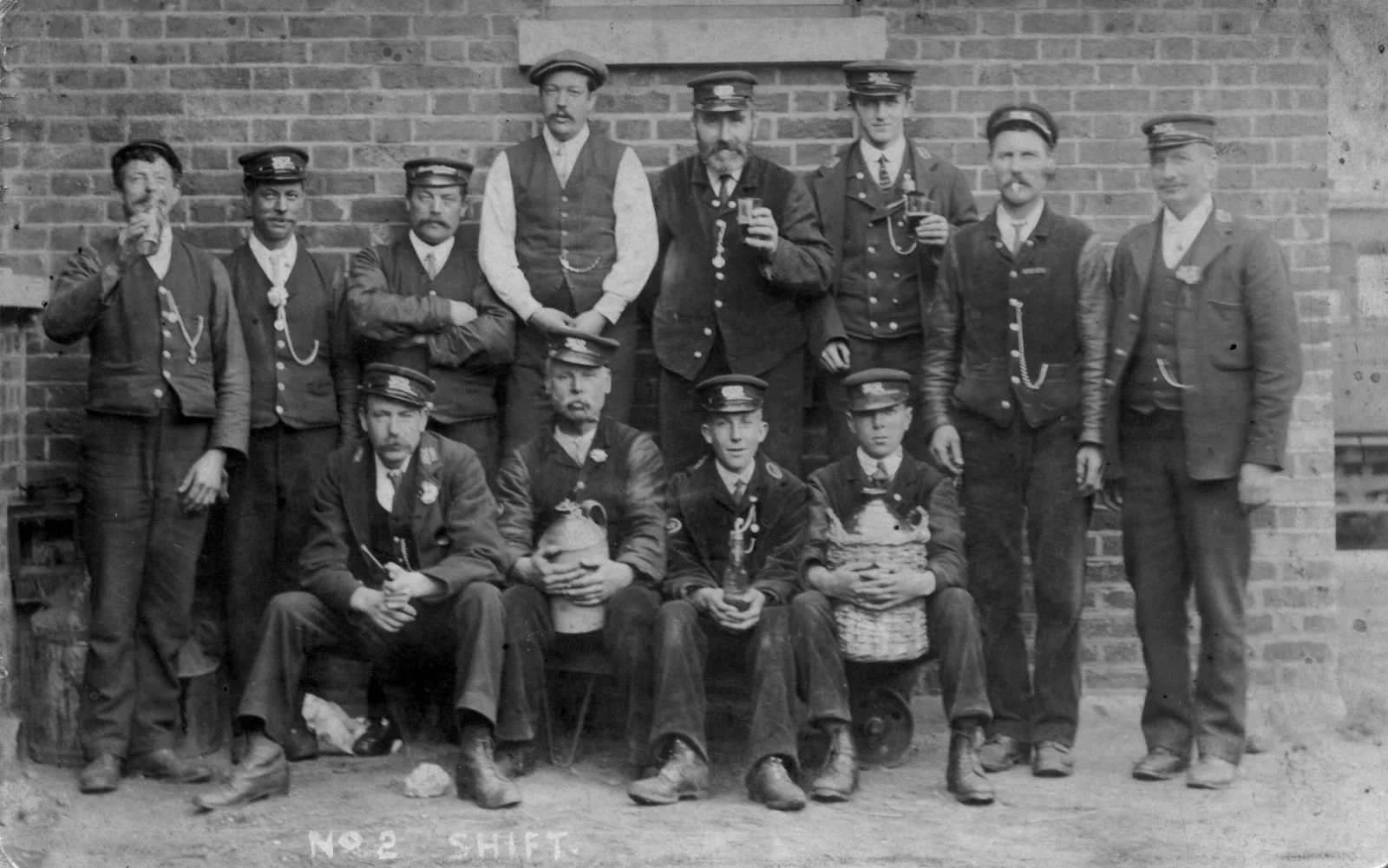
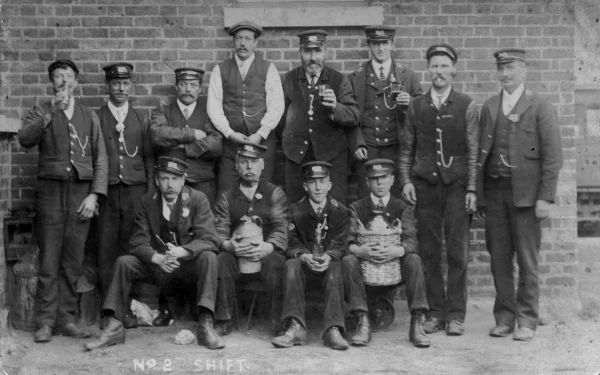
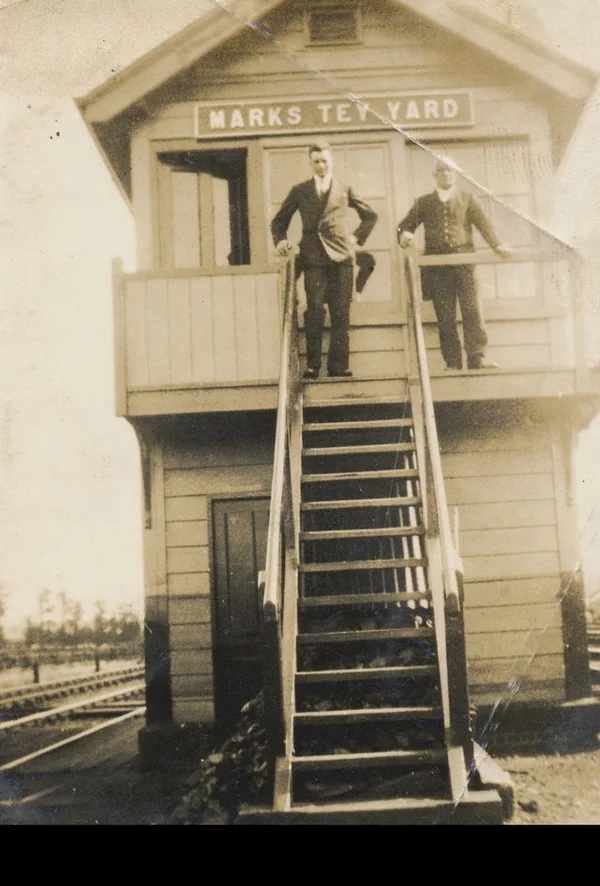
For much of the 19th and 20th centuries the station employed a large team: a station master, signalmen, guards, porters and clerks. As Marks Tey Junction was also a hub for the delivery and dispatch of local goods and produce, a team of 16 workers operated a shift system in the goods yard along with horsemen looking after and working with the station horses.
For some years season ticket holders treated station staff to an annual dinner. In 1891 this was hosted in one of the waiting rooms on the station and later moved to the Prince of Wales pub.
Through electrification, the Beeching cuts of the 1960s and station re-modelling in the 1980s, the main and branch lines at Marks Tey remain as vital ways for local people to get about. In the year from 2023 to 2024 nearly half a million people did just that from Marks Tey station.
FIND OUT MORE
The Marks Tey Heritage Project is bringing together the history of Marks Tey in one place. To find out more about transport in Marks Tey take a closer look at the collection.
Explore more stories
INDUSTRIES OF MARKS TEY
Flowers & seeds

BRICKMAKING IN MARKS TEY
Brick is beautiful
Marks Tey Carnival in the 1970s
Blooming Marvellous!
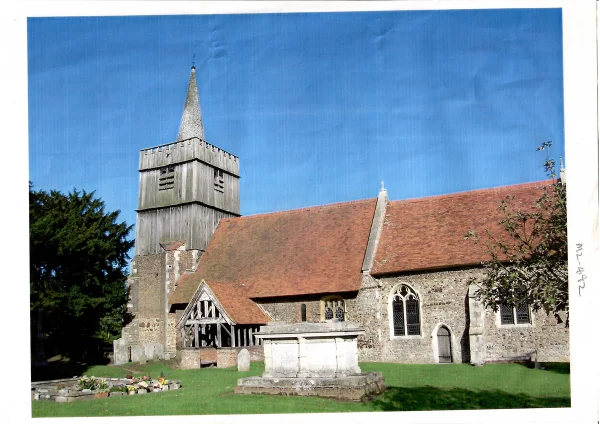
CHURCHES OF MARKS TEY
A spire and its stories
A SCHOOL FOR MARKS TEY
Marks Tey school days
BRENDA WILBY'S WALK
A walk around Marks Tey in the 1920s
World War comes to Marks Tey
Wartime Marks Tey
LIVING HISTORY TALKS
Origins
Places names in marks tey
Tey at Elms & other names
LIVING HISTORY TALKS
Building of the Church

LIVING HISTORY TALKS
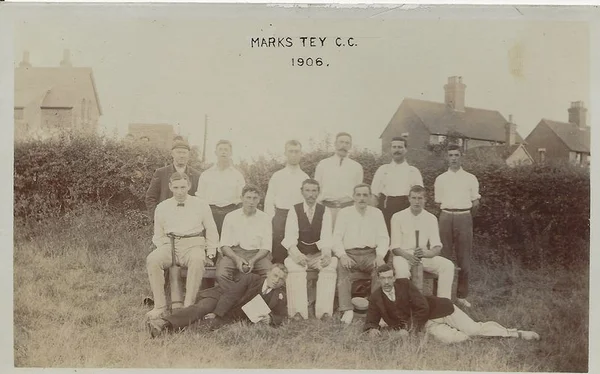
Marks Tey Cricket Club
LIVING HISTORY TALKS
Impact of the Railway
LIVING HISTORY TALKS
The Famous Case of William Steel
LIVING HISTORY TALKS
1944