Origins
LIVING HISTORY TALKS
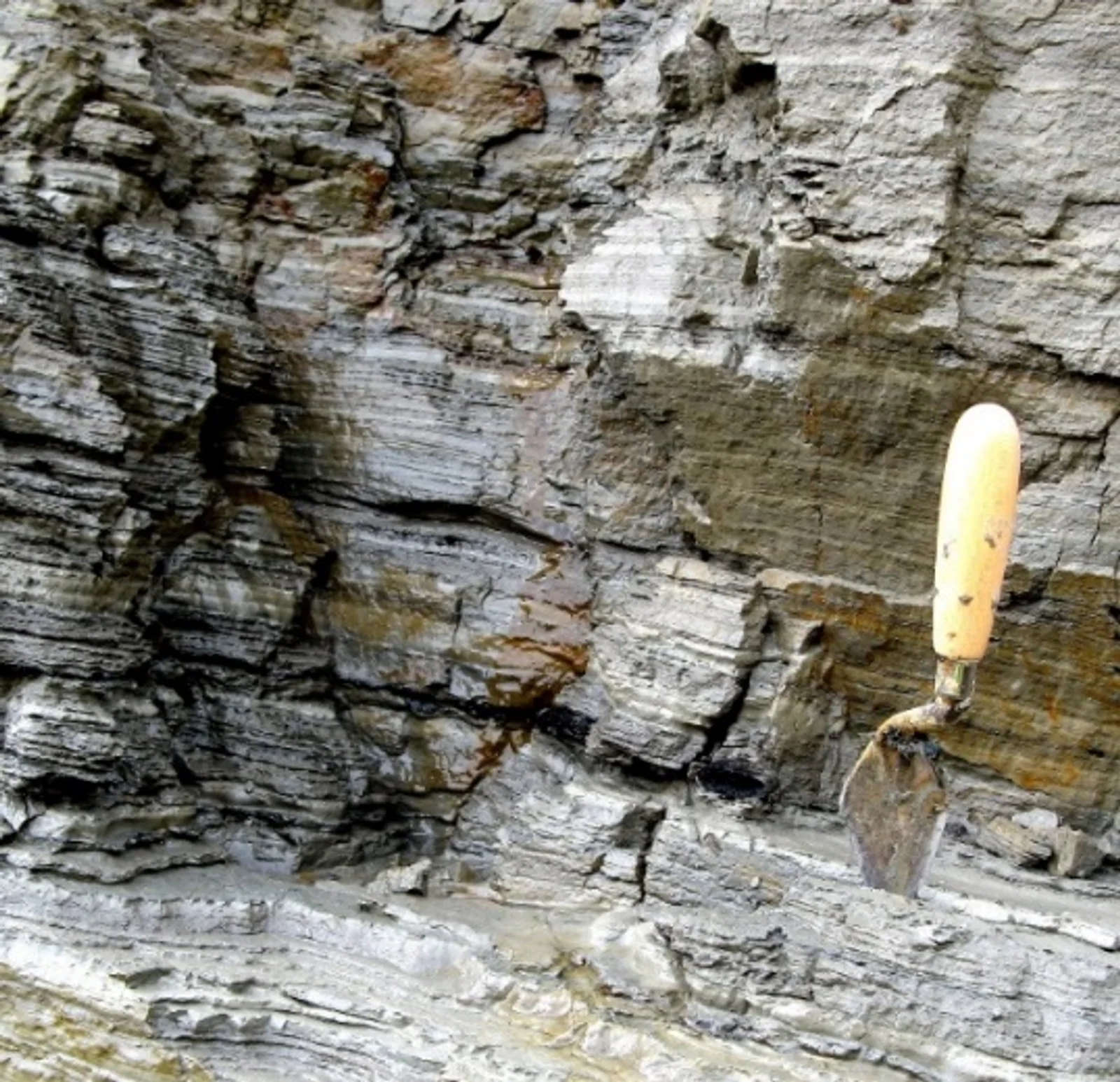
There is evidence of life forms in Marks Tey Parish stretching back 500 million years from fossil Ostracods found at the brickworks in Church Lane, Marks Tey. Not many parishes can trace their history back that far!
This short story was originally shared as a talk by Andrew Waters at the Living History event in St Andrews Church, November 2025, as part of the Marks Tey Heritage Project.
Explore story →
THE BEGINNINGS
For many thousands of years this our land was covered with ice moving backwards and forwards shaping the surface. At times the melting ice created a network of interlocking streams depositing sands, silts, stones, compacted rocks and boulder clay.
The ice sheets created a lake just north of here. Sabre toothed tigers and mammoths came to the edge of the lake. One day a mammoth collapsed and died in that silting up lake and its tusk was dug up in a much later time. The changes laid down by the ice movements played a big part in the future development of this place.
Humans and Neanderthals wandered through from lands to the east bringing flint tools and hunting animals. Later they started farming, clearing some of the land, looking after their animals and tilling the easily worked soil. Family groups lived in timber roundhouses. As the number of humans increased and moved around regular trackways such as stone street formed.
INVADERS & RULERS
After a time new invaders, under Emperor Claudius marched up from the great river. They built Camulodium to the east with a big temple to Claudius. The Romans upset the Iceni who swept in and burnt the city down. The smoke was easy to see. After a few days a procession of horse drawn chariots and men passed through on the way to destroy Londinium.
Our Roman masters brutally regained control. Their city was re-built. Some of the wealthier citizens built villas and farms off the great roads. One of those villas lay beneath our feet with bricks made from clay less than 100 paces away.
The cycle of life turned. Finely dressed Roman citizens eventually slipped away. New peoples, Saxons, came from across the seas and moved in. Villas were abandoned and in time they collapsed through neglect.
More of the land was cleared for farming. Bullocks pulled wooden ploughs. Fresh invaders came looking for any moveable wealth and captives to be slaves. There were many turbulent periods.
Then our island was seized by the Normans under King William who was very controlling. A great castle was built a few miles away on the base of Claudius' temple. The king rewarded his knights and gave 40 manors to Geffrey de Magnavilla or Maundeville including ours known as Merks.
After a few years a great survey was undertaken so the King knew what he could extract in taxation. It recorded we had 49 households with an annual value to the Lord of £12.
FIND OUT MORE
Marks Tey Heritage Project is bringing together the history of Marks Tey in one place. To take a look at our other stories from the Living History evening to find out more about our village.
Explore more stories
INDUSTRIES OF MARKS TEY
Flowers & seeds
BRICKMAKING IN MARKS TEY
Brick is beautiful
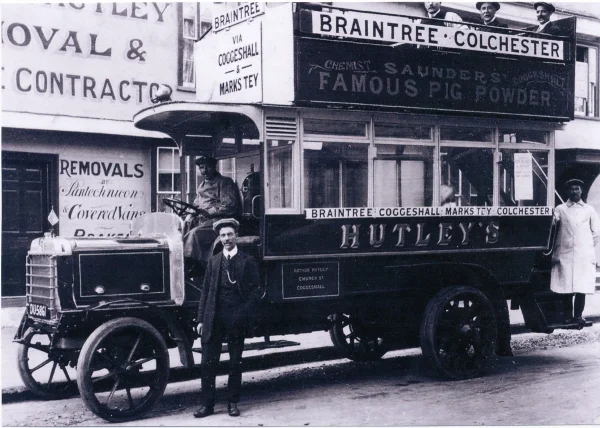
TRANSPORT
Getting around Marks Tey
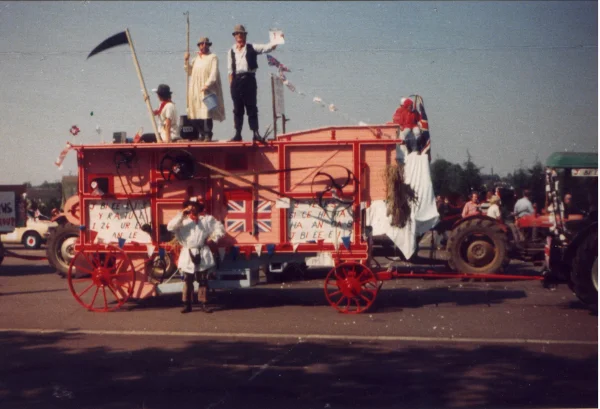
Marks Tey Carnival in the 1970s
Blooming Marvellous!
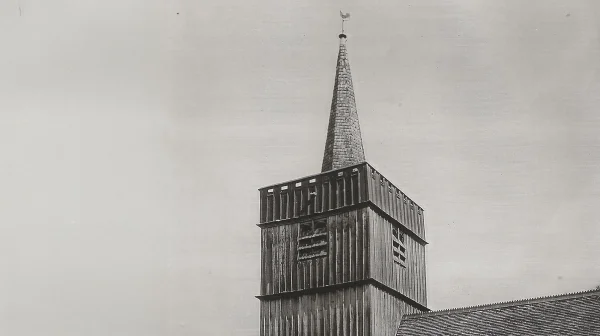
CHURCHES OF MARKS TEY
A spire and its stories
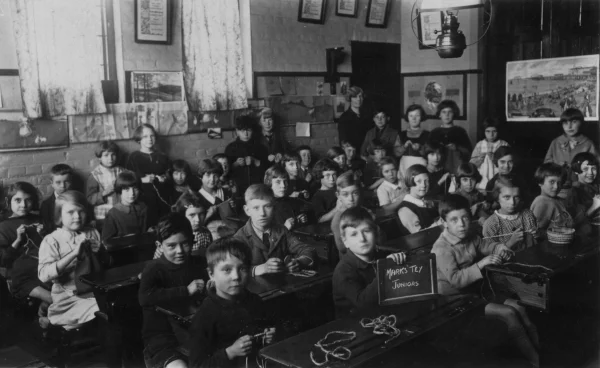
A SCHOOL FOR MARKS TEY
Marks Tey school days
BRENDA WILBY'S WALK
A walk around Marks Tey in the 1920s
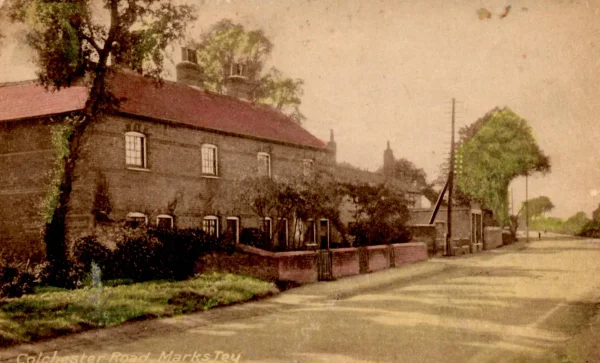
World War comes to Marks Tey
Wartime Marks Tey
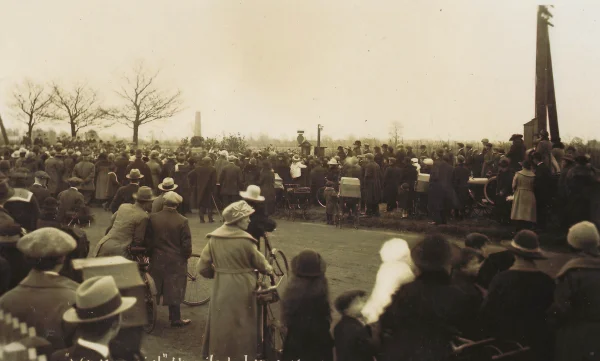
Places names in marks tey
Tey at Elms & other names
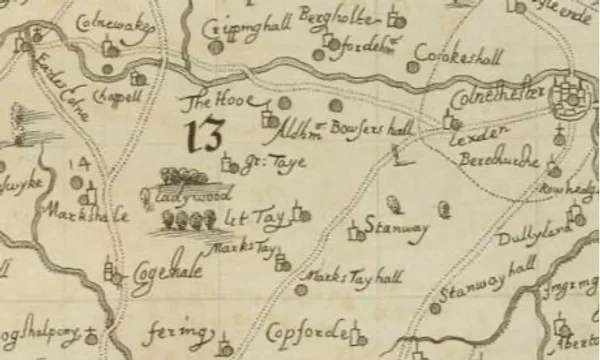
LIVING HISTORY TALKS
Building of the Church

LIVING HISTORY TALKS
Marks Tey Cricket Club
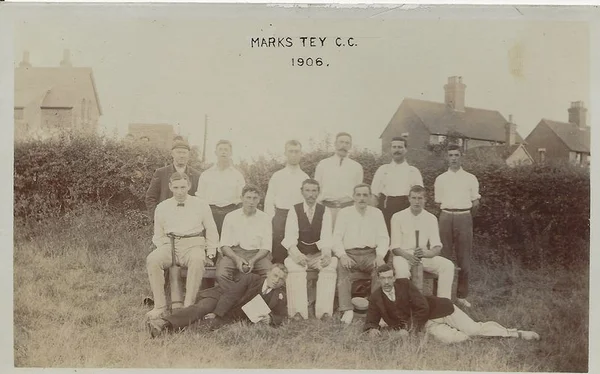
LIVING HISTORY TALKS
Impact of the Railway
LIVING HISTORY TALKS
The Famous Case of William Steel
LIVING HISTORY TALKS
1944