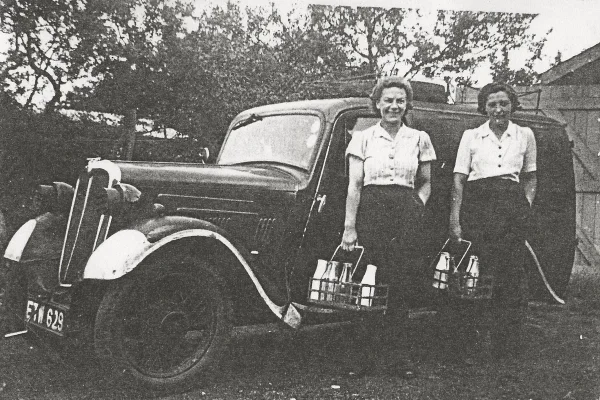
Wartime Marks Tey
World War comes to Marks Tey
2025 sees 80 years since the end of World War Two, with VE day remembered in May and VJ day remembered in August. Volunteers on the Marks Tey Heritage project have researched how the 1939–1945 war, and the 1914–1918 First World War before it, impacted the village.
Explore story →
A moving war memorial
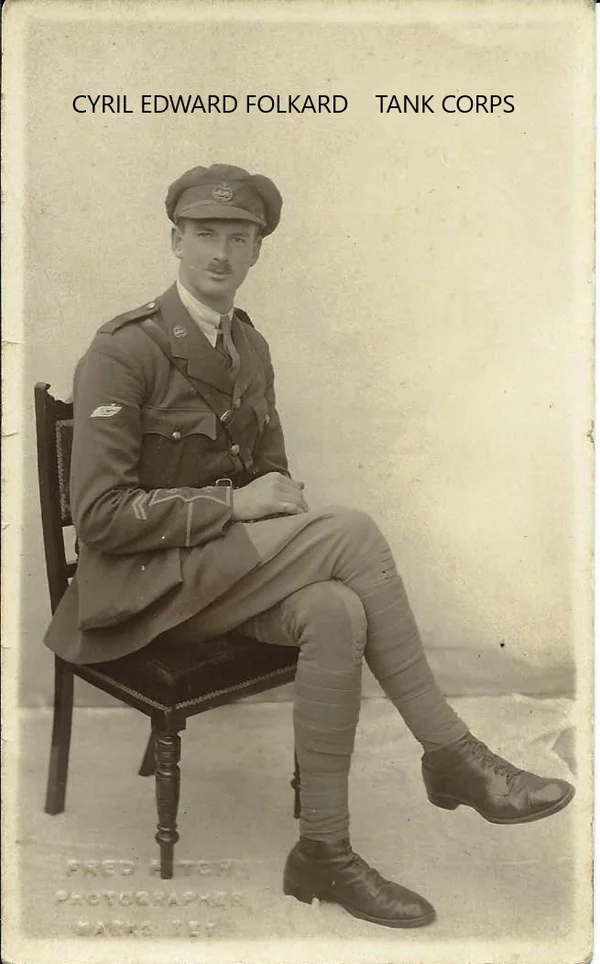
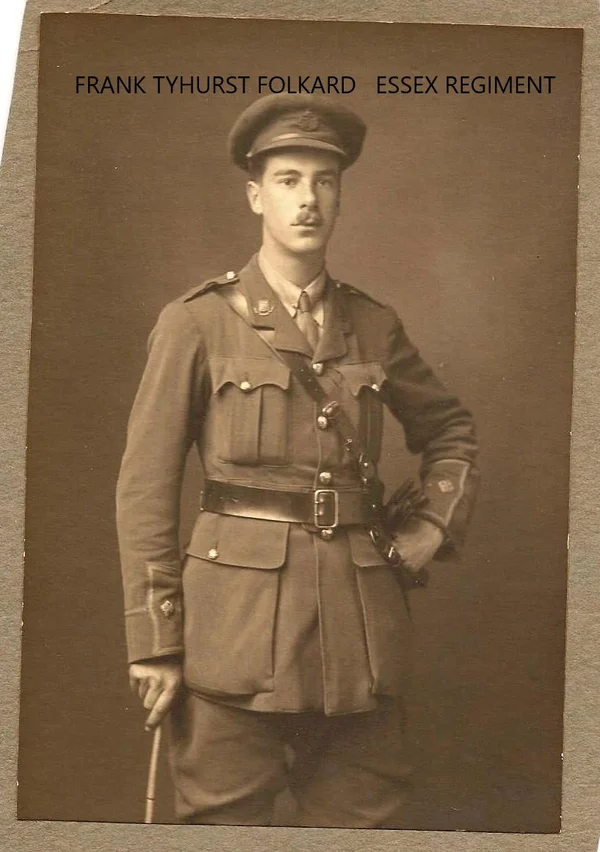
The First World War came to Marks Tey as it did to all communities across the country. Farm labourers, gardeners, men from the brickyard signed up. Fathers, sons and brothers signed up. Three brothers from Copford, Frank, Cyril and Harold all joined the army. Eldest brother Frank was an army regular in 1914 and was joined by his brother Cyril who had been training as a Civil Engineer with Colchester Borough Council when war was declared. Two years later their younger brother Harold joined the officer training corps. In Marks Tey, Oliver Mead followed his older brother Henry into the army. In October 1918 he died in hospital in Rochester and is buried in St Andrews Churchyard. Mothers, daughters and sisters did their bit. Dorothy Wild joined the Army Auxiliary Corps and was awarded the British War and Victory medals for her service.
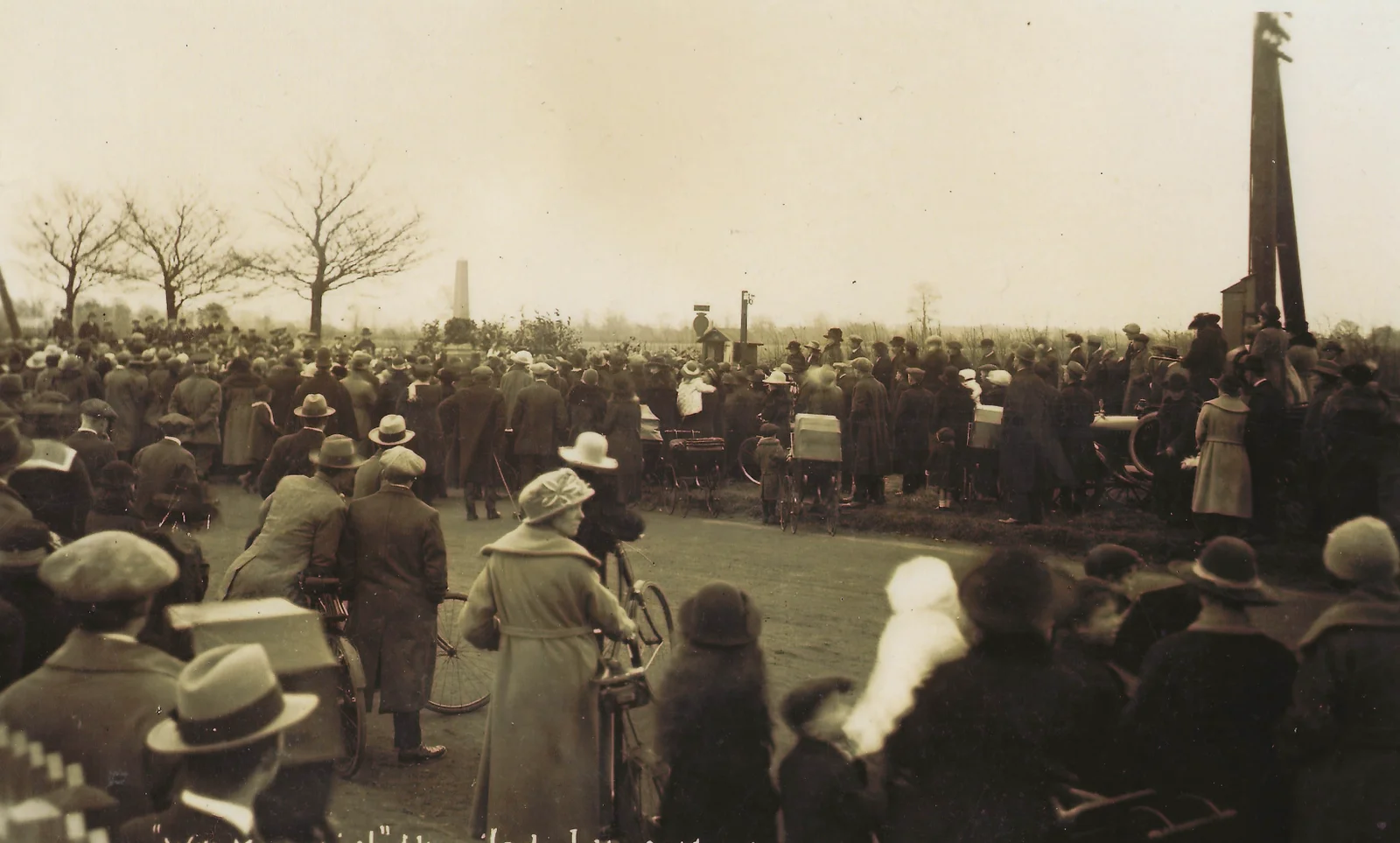
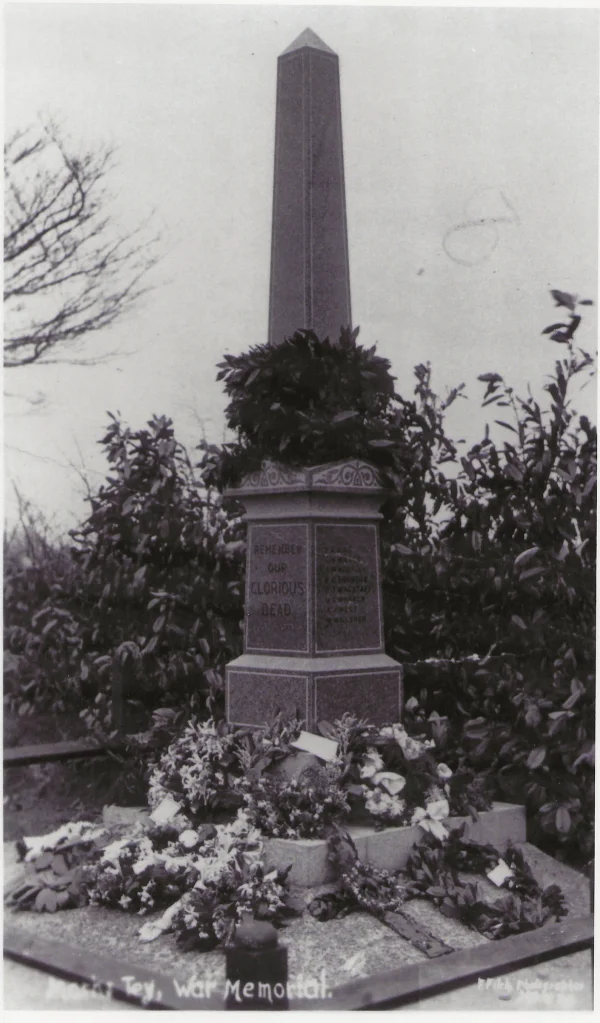
After the end of the war a subscription was set up to pay for a memorial to the men and women who had served. The stone obelisk memorial was unveiled on London Road in 1921 in front of huge crowds. The memorial remained in this location until the decision was made in 1989 to relocate it to a quieter site in St Andrew’s Churchyard.
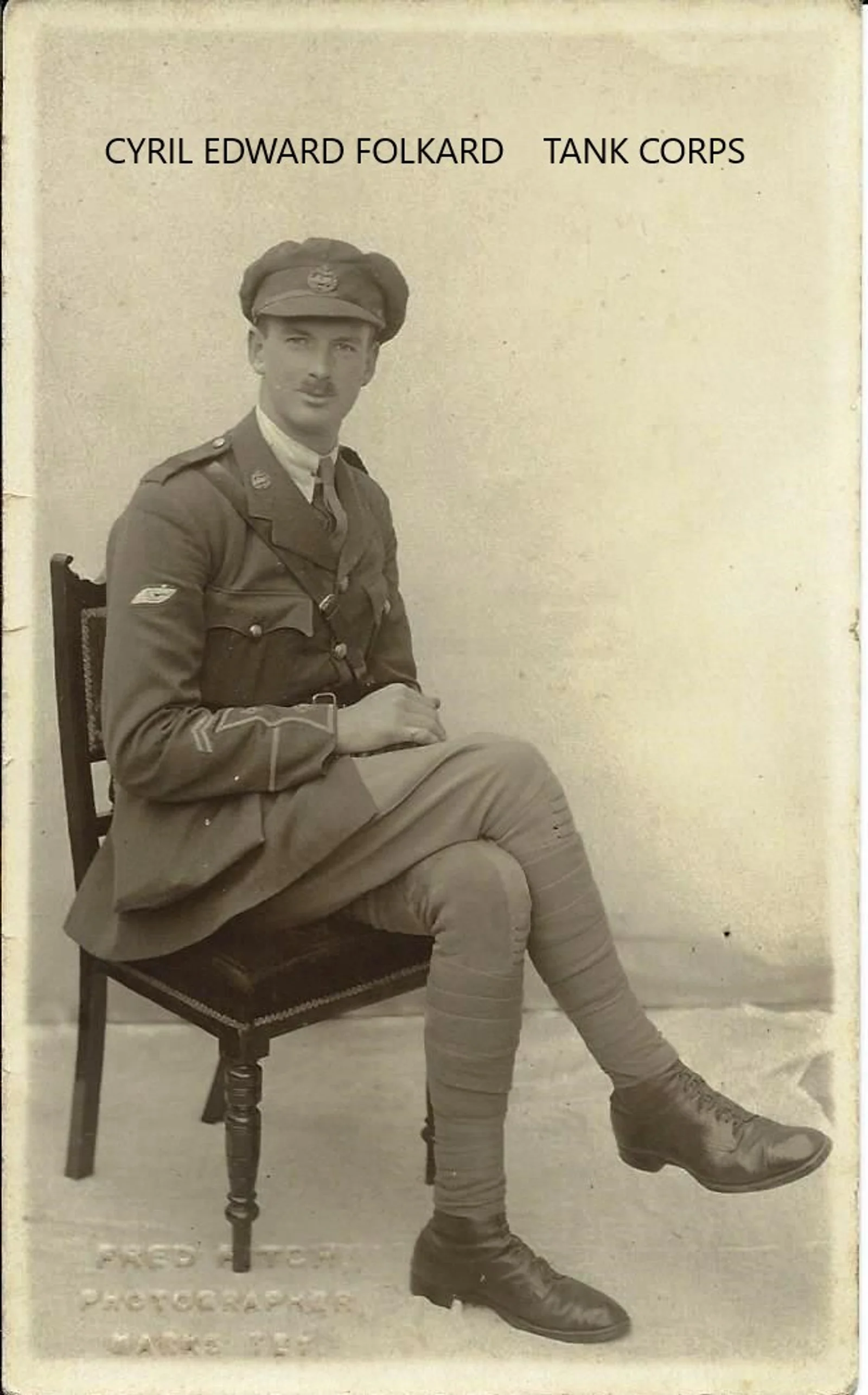
Cyril Edward Folkard, Tank Corps, 1895-1970, [MTHP.8.1.1]
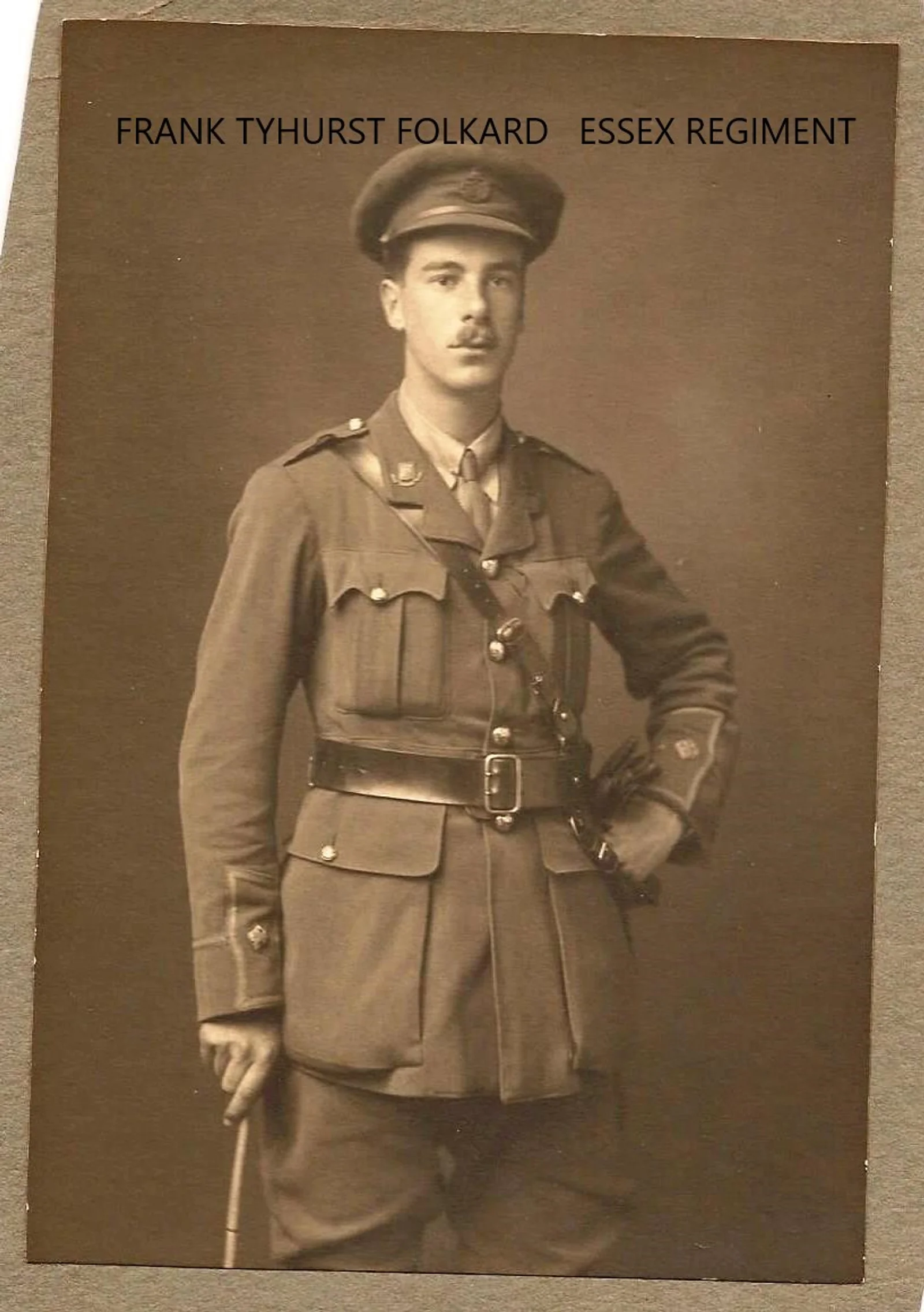
Frank Tyhurst Folkard, Essex Regiment, 1893-1988, [MTHP.8.1.2]
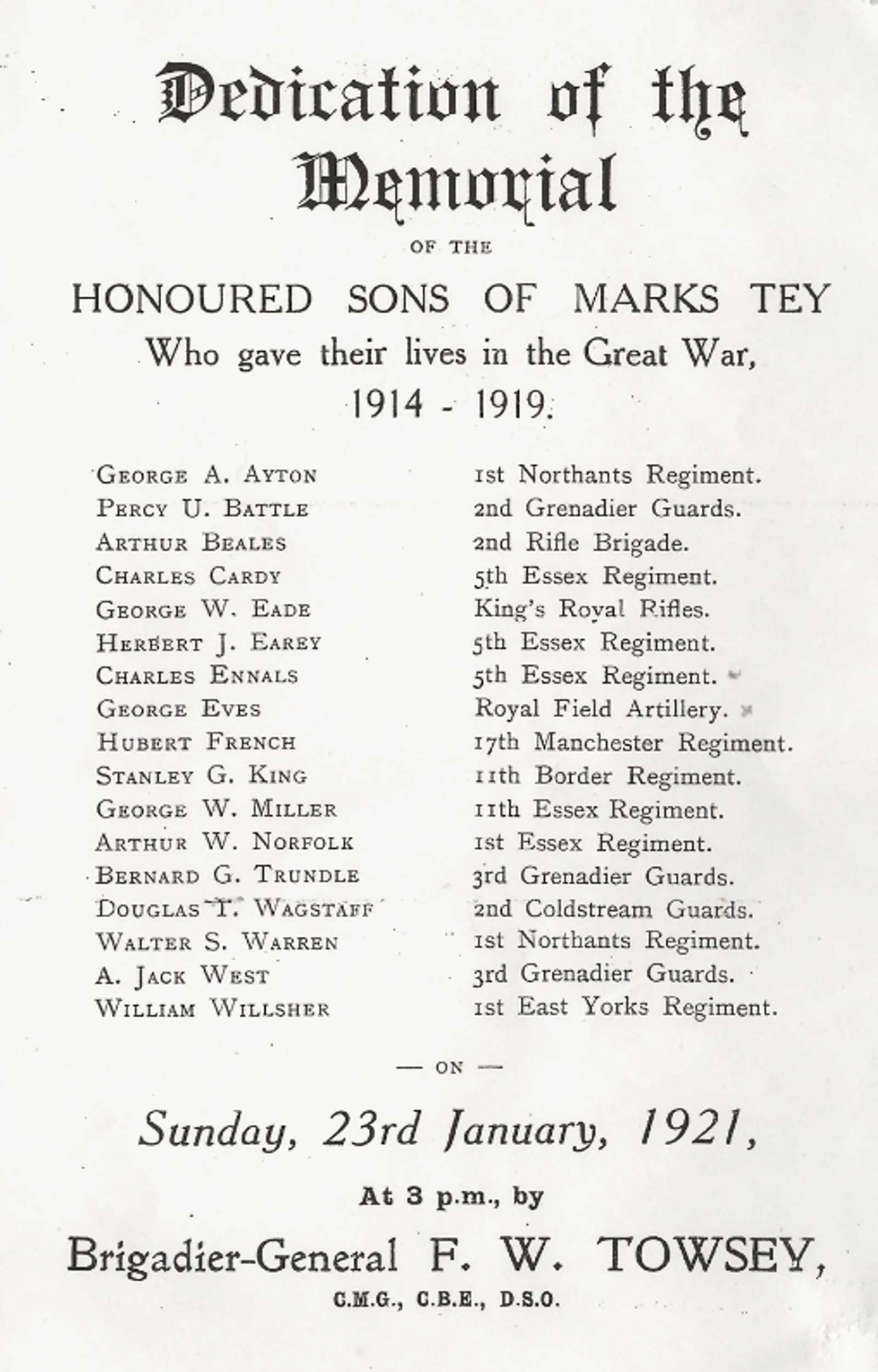
Programme for the Dedication of the Marks Tey War Memorial, 1921
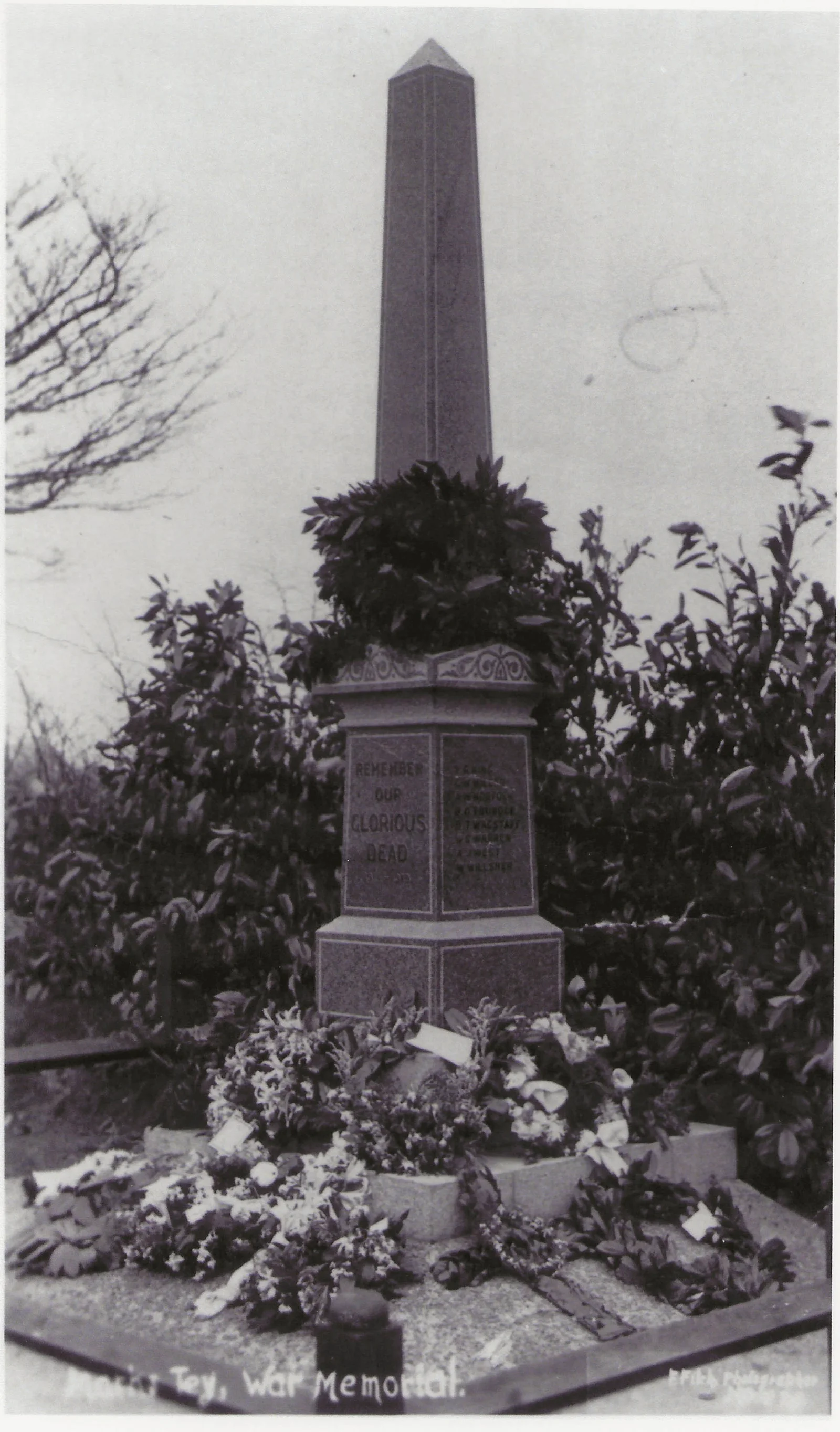
Marks Tey memorial , , [MTHP.8.1.3]
Second World War in Marks Tey
Change was underway in Marks Tey in 1939 when the Second World War started. Houses and businesses spread out along the two main roads, London Road and Coggeshall Road, and most people were employed on the land. But work had begun in 1937 to widen the A12 so that some houses along London Road had been demolished. Work on the road was overtaken by events and wasn’t fully completed until after 1945. During the war wires were suspended across the newly widened road to deter enemy gliders from landing there. In 1944 the empty space was useful when the southern carriageway was filled with vehicles and munitions in readiness to support D-Day and the subsequent invasion of Europe.
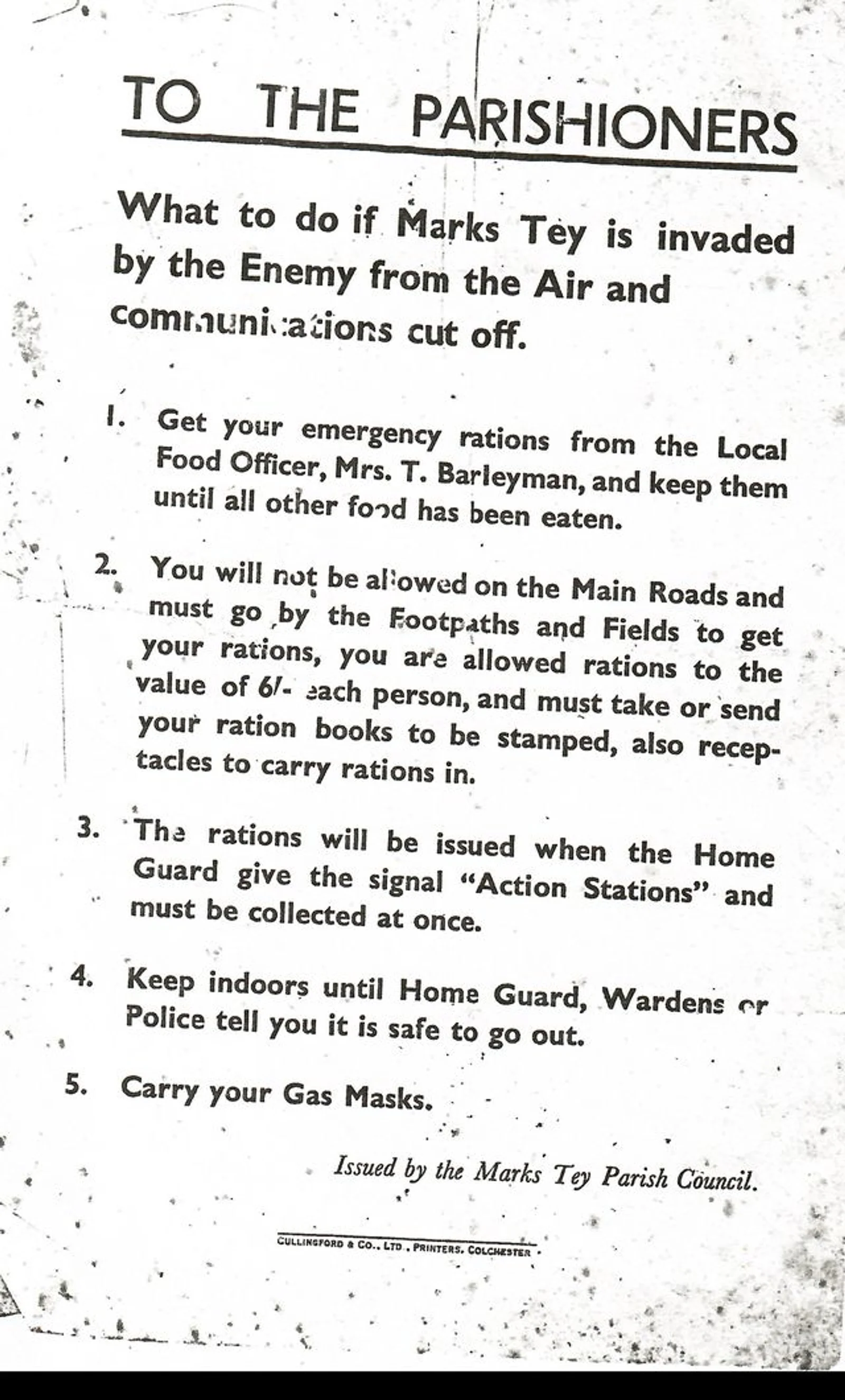
The ARP - Air Raid Precautions - was set up in 1937 to protect civilians during wartime and twenty-three local people became wardens, enforcing the blackout, reporting and dealing with bombing incidents. Along with their colleagues the Special Constables, Fire Auxiliary Service and Home Guard, they were kept busy. Because of the railway lines running through the village, Marks Tey was a target for enemy bombers looking to disrupt the movement of troops, supplies and munitions. ARP records show repeated attempts to destroy the train lines. In 1941 the level crossing at Chitts Hill was targeted in a high explosive raid that injured twenty people and damaged 7 houses. In 1944 the new type of V1 bomb, described in the reports as a ‘fly’, fell near Jays Lane, making 7 families homeless and damaging the railway line.
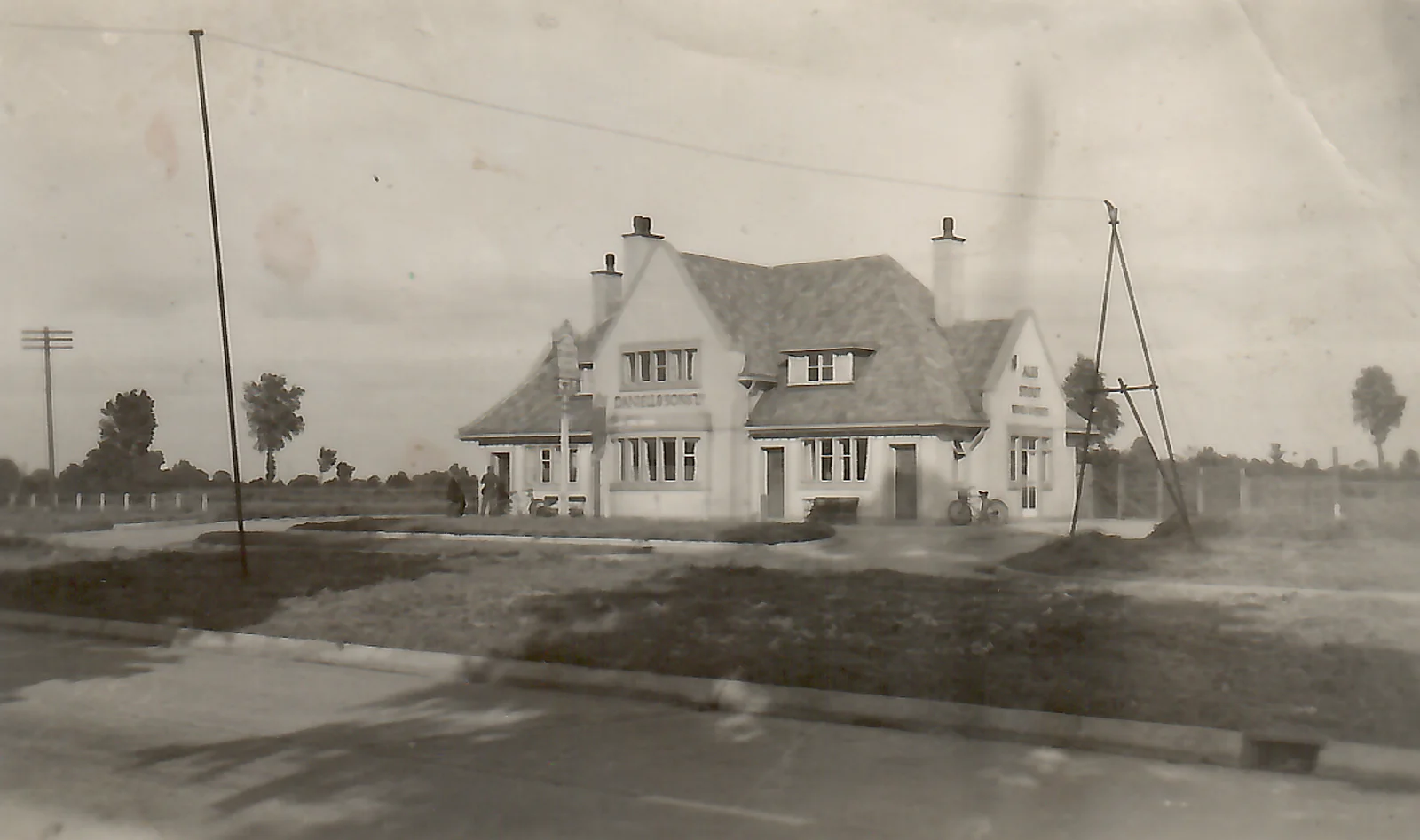
The former Trowell and Hammer pub showing wires across the A12 to stop gliders landing on the newly widened road. The Shell garage is here today.
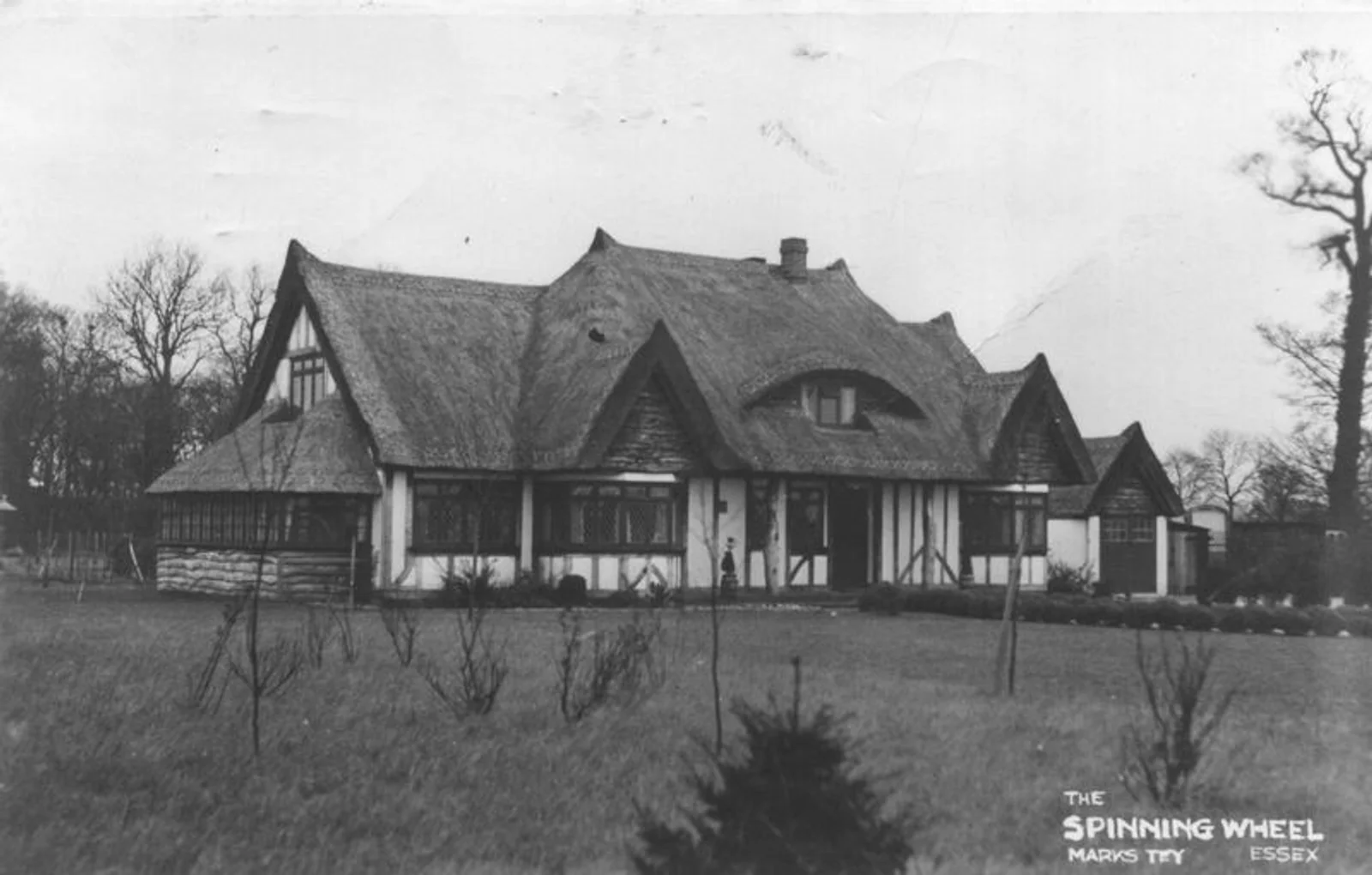
The Spinning Wheel Tea House was destroyed by fire in 1944. It is thought that sun reflecting on a glass bottle caused a fire in the thatched roof but another story says that embers from a burning wheat field, alight from an incendiary bomb, blew into the thatch and caused the fire instead.
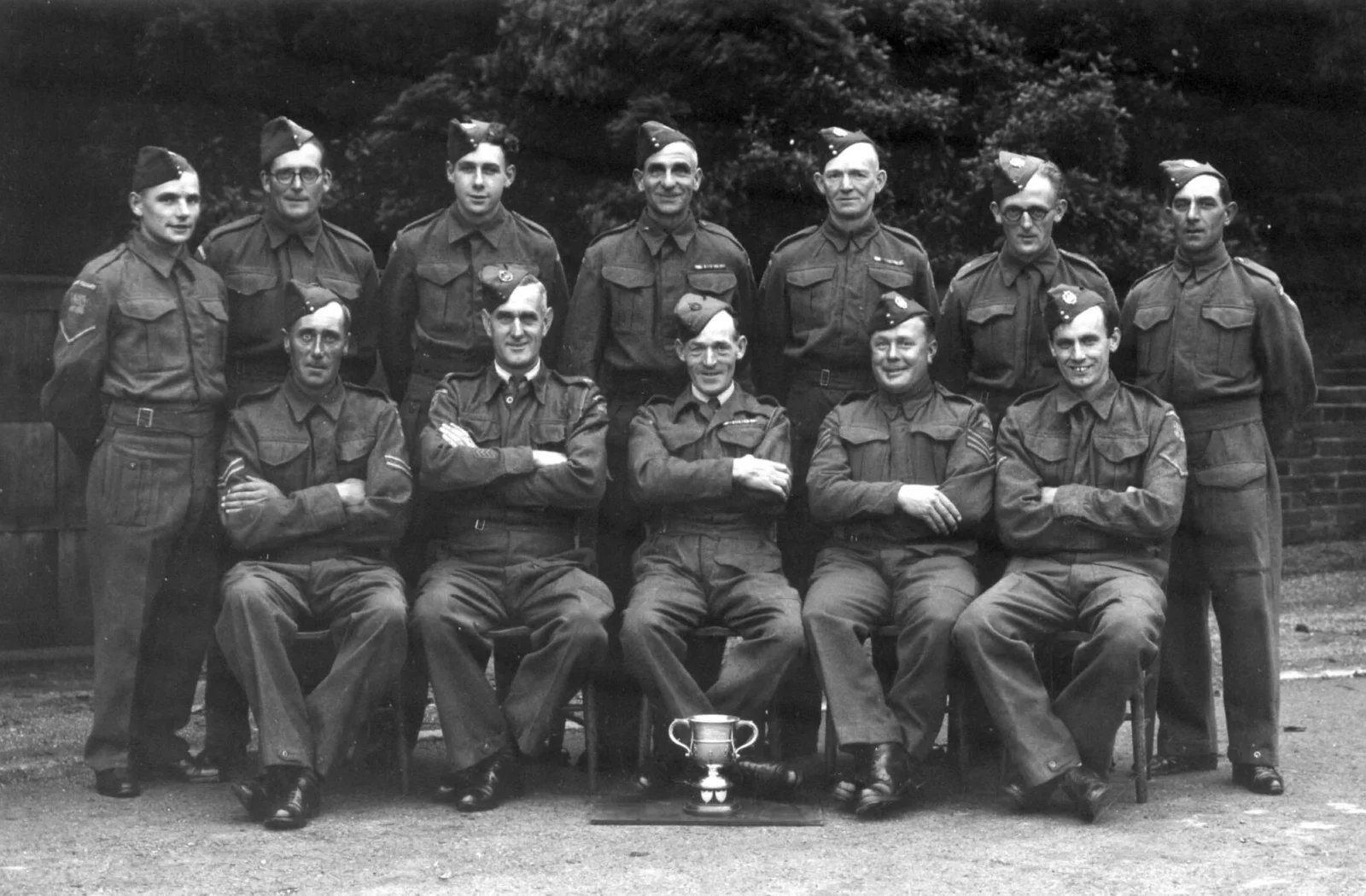
Home Guard, 1939-1945, [ MTHP.8.2.1]
Lucky escapes
Marks Tey resident George Polley remembered an attack on a passenger train running along the embankment from Marks Tey to Stanway. He described how the train driver ‘pulled out all the stops' with sparks flying as he tried to get the train to cover in the cutting at Eight Ash Green. The driver slammed on all the breaks which made such a loud noise George could hear it from where he was working in Stanway. George recalls that at that moment a British fighter plane appeared and chased off the enemy plane which was eventually shot down over Mersea Island. The train driver was given a medal for saving his train and its passengers.
On 3 July 1944, Ernest Mead went to visit his brother Edward who lived on Coggeshall Road, taking his daughter Edith along. At 6.15pm a flying bomb hit Elder Gardens at Long Green near the railway line. The event was captured by Chelmsford office worker Alwyne Garling, who wrote in his diary about his bus journey home to Colchester that day:
‘Had a lucky escape today. Saw a doodle bug blow up just in front of the bus at Marks Tey as I was coming home this evening – saw the flash and heard the bang and saw a great cloud of black smoke go up – fell on or near the railway line.’
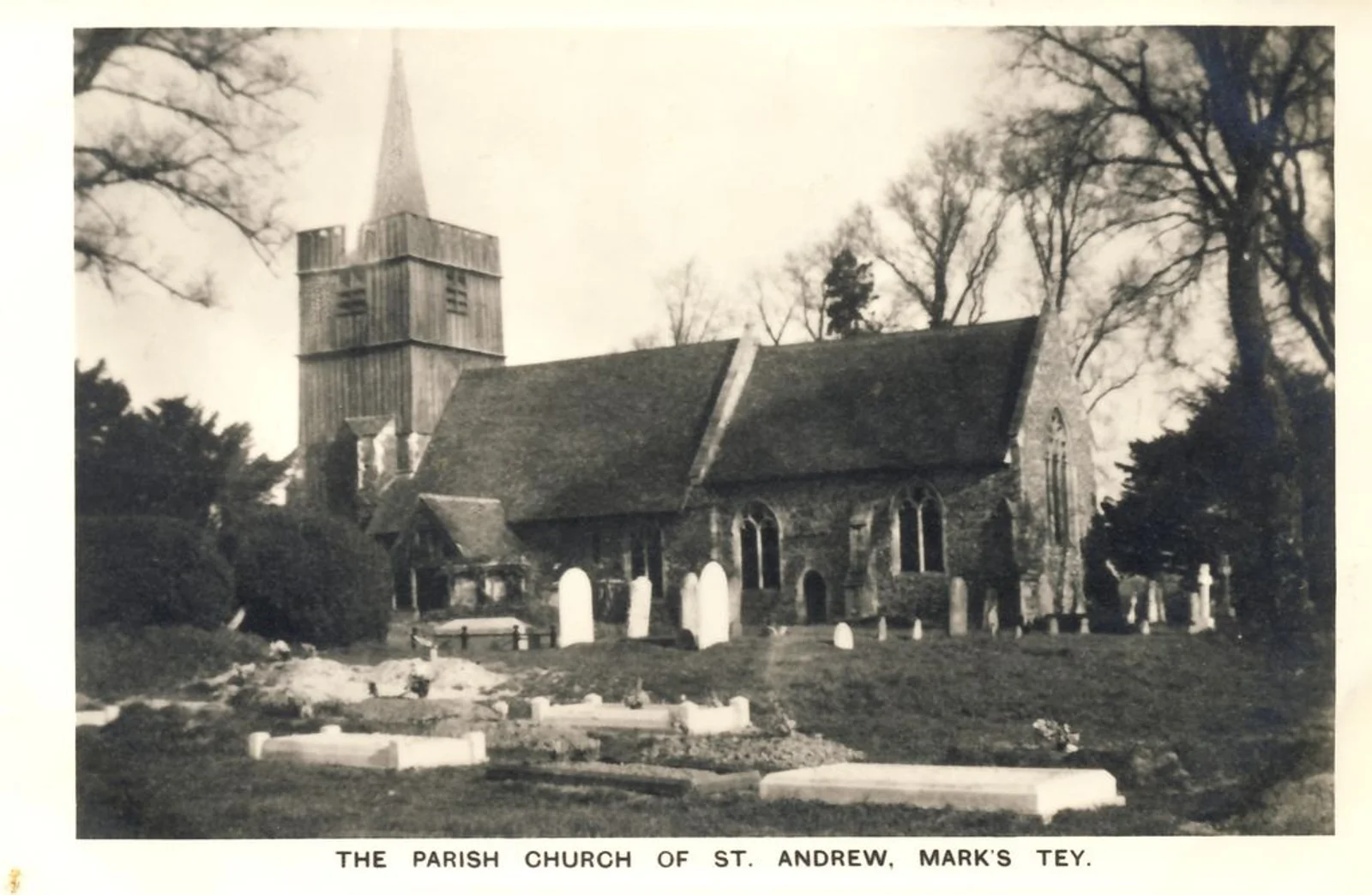
When a bomb fell between the church and the brick works in August 1944 some of the wooden parapet was damaged and windows blown out. These were repaired in 1952.
Life on the home front
It was essential for people to have somewhere safe to go during air raids. Initially the school did not have any shelters and parents refused to send their children until this was sorted out. A note in school logbook describes:
'Only 36 children present out of 93. The parents have refused to send them until a shelter has been made'. (10 July 1940)
The protest worked as on 22 July an architect from Essex Education Committee visited to discuss shelters for the school which were built later that summer.
At home many houses had Anderson shelters in their gardens. This was a simple steel shed dug into the ground and piled with earth over the top and around the sides for extra protection. Houses that had cellars were often strengthened and used, while some people simply used under stairs cupboards.
Victory in Europe
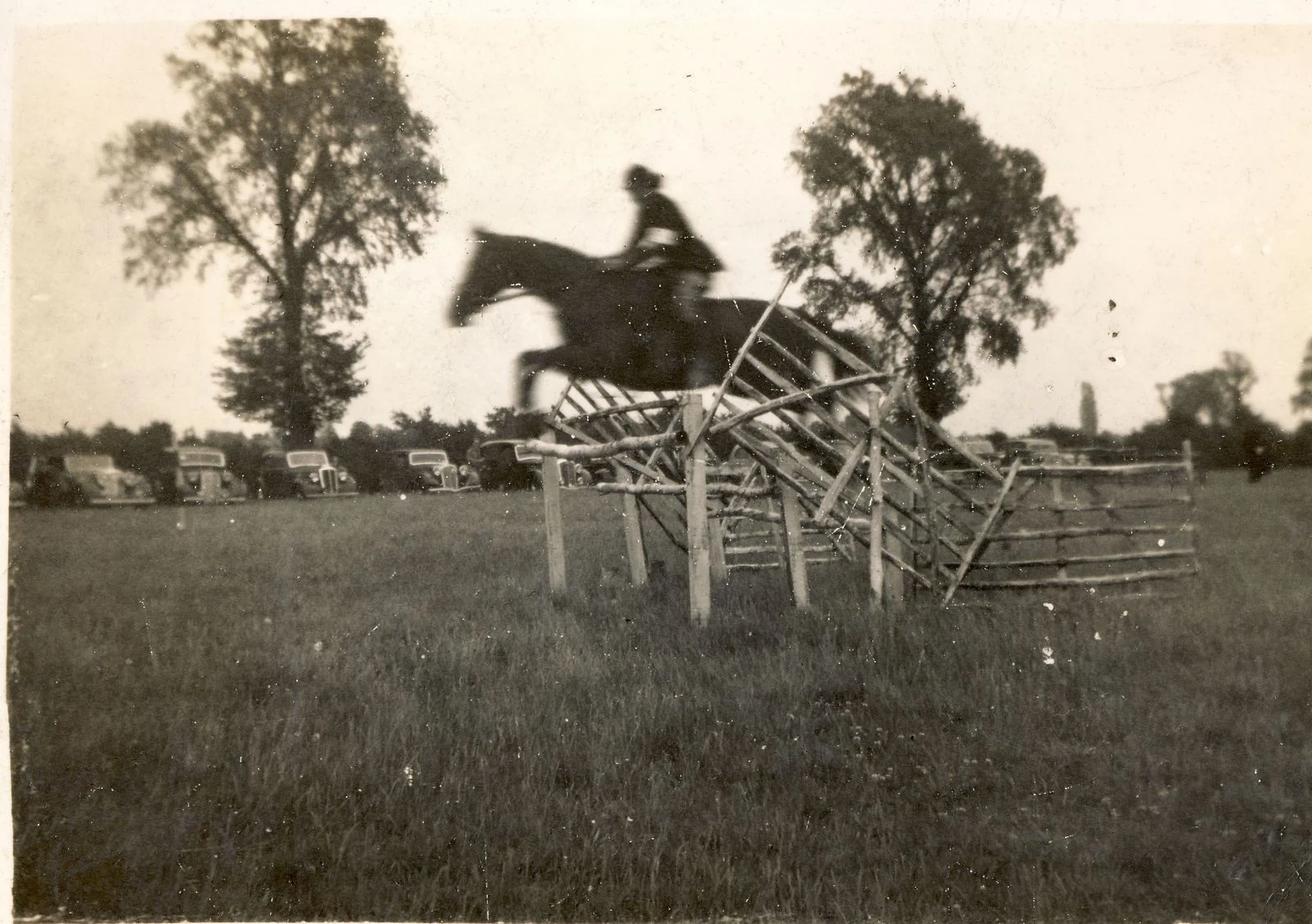
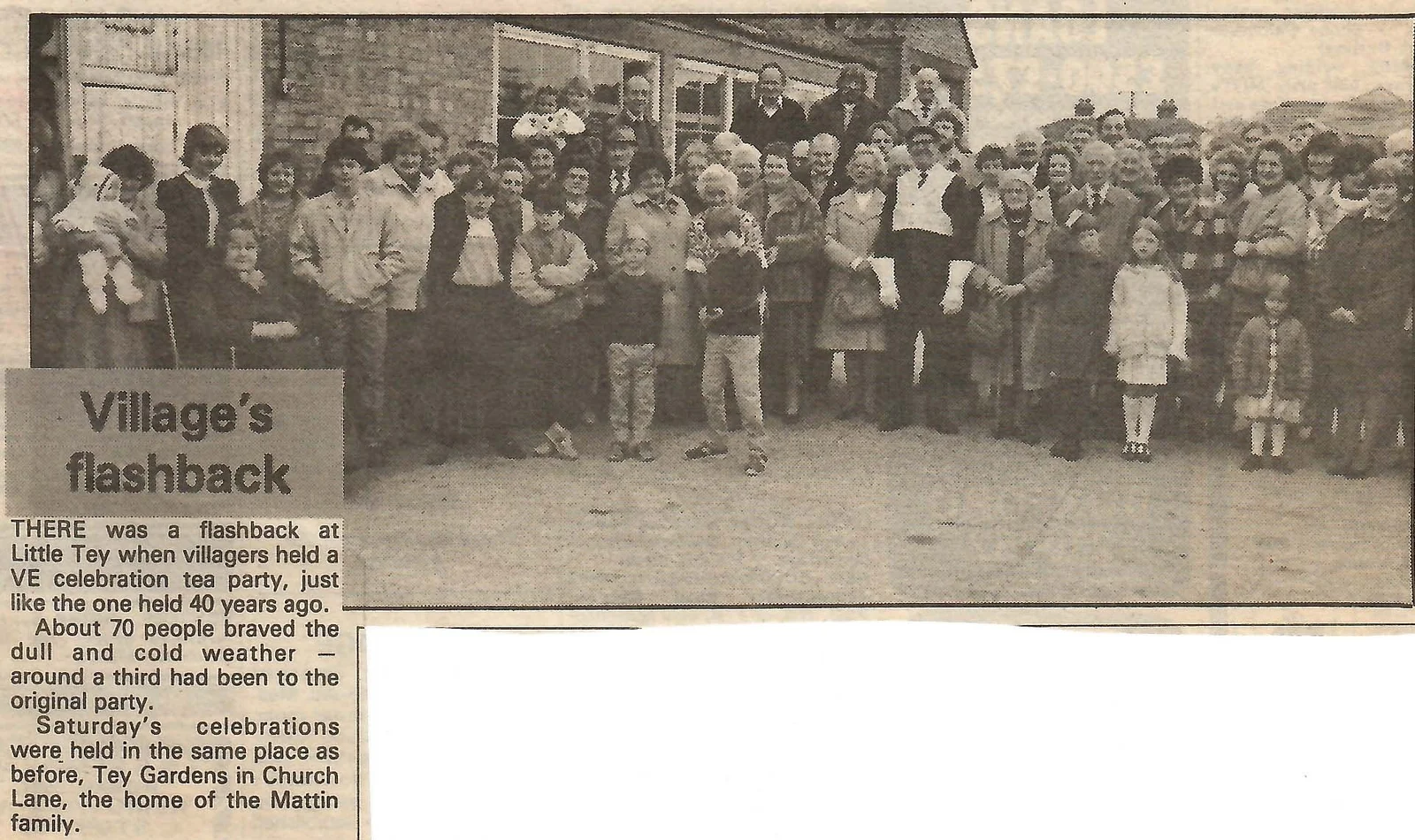
When Victory in Europe was announced in May 1945 people celebrated in different ways. School closed for three days so that everyone could join in. There was a party at Tey Gardens Nursery and a Welcome Home Committee quickly set up to plan events. A fundraiser was held on Rectory Meadow on 2nd June 1945 that raised £134 and on 10th June there was a horse jumping competition. On 15th June the Welcome Home Committee received £44 3s 3d from Lieutenants Wilsher and Gray of Marks Tey Home Guard.
FIND OUT MORE
The Marks Tey Heritage Project is bringing together the history of Marks Tey in one place. To find out more about returning servicemen after the First World War, children evacuated to the local area in the Second World War, the National Farm Survey and food production in the 1940s, take a closer look at the collection.
Archive results related to Wartime Marks Tey
Cyril Edward Folkard, Tank Corps
1895-1970
Frank Tyhurst Folkard, Essex Regiment
1893-1988
Marks Tey memorial
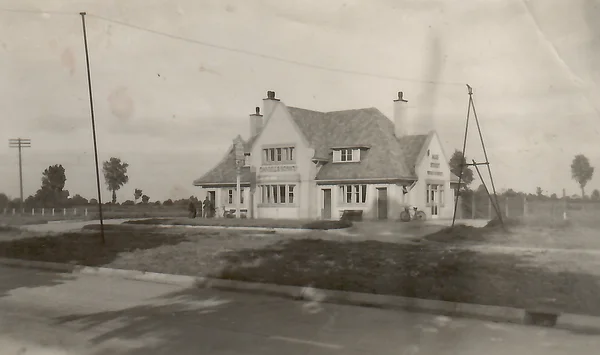
Wires to stop gliders and the new Trowel and Hammer pub
1940s
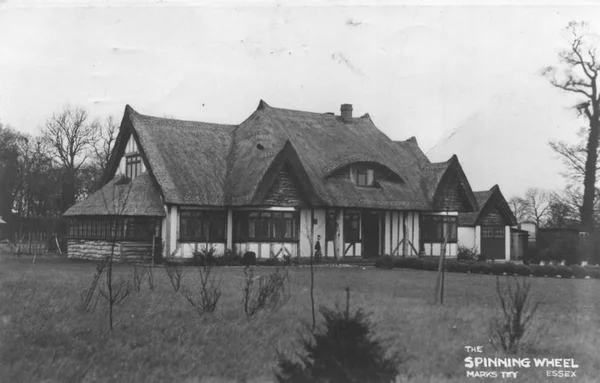
The Spinning Wheel postcard
Before 1945
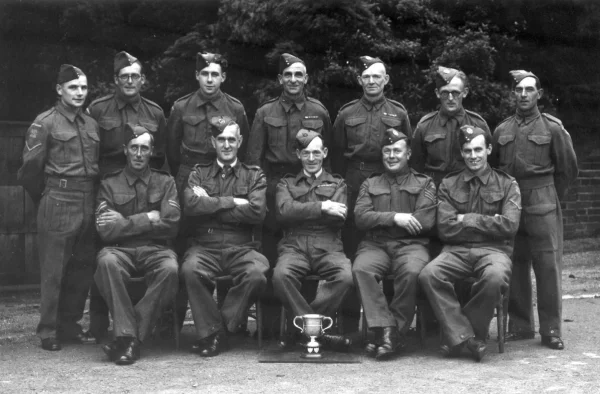
Home Guard
1939-1945
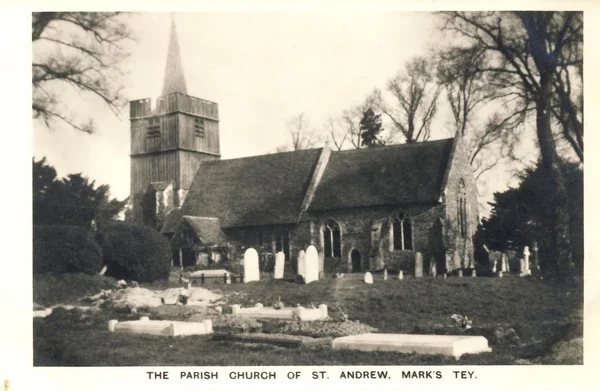
St Andrew's Church wartime postcard
1948
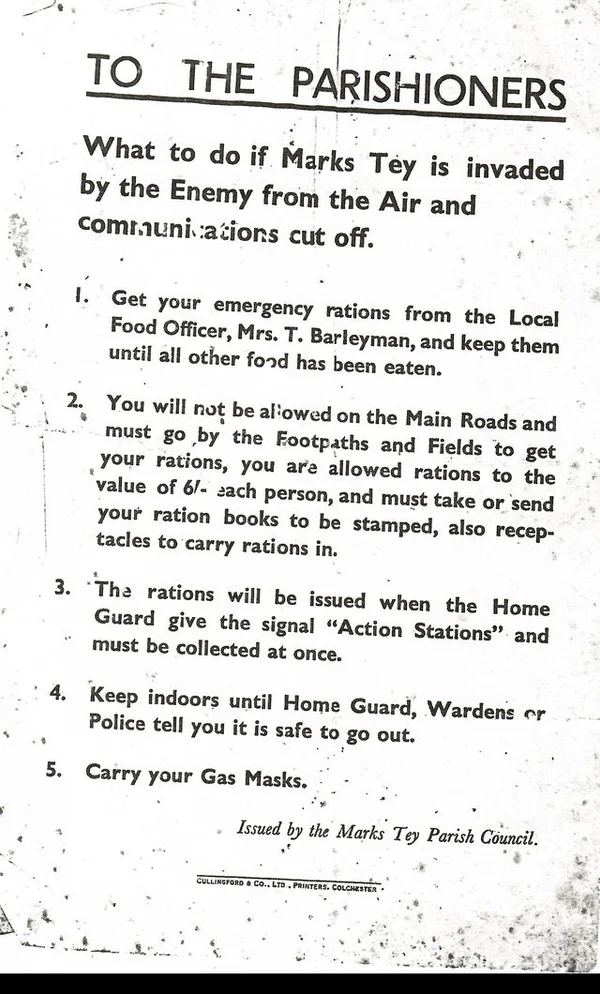
Invasion Notice
1941
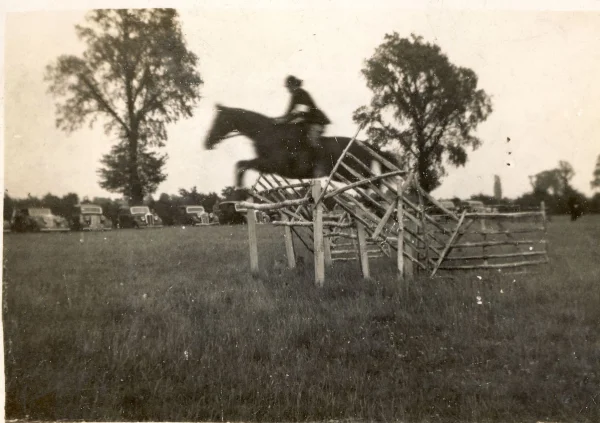
One horse jumping photo at Ivy House, 1945
1945
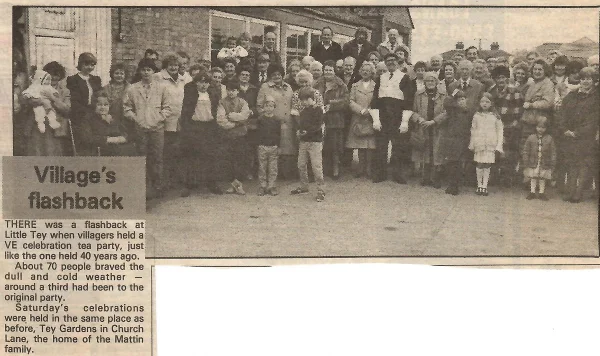
news 1985 VE day
17th May 1985
Explore more stories
INDUSTRIES OF MARKS TEY
Flowers & seeds

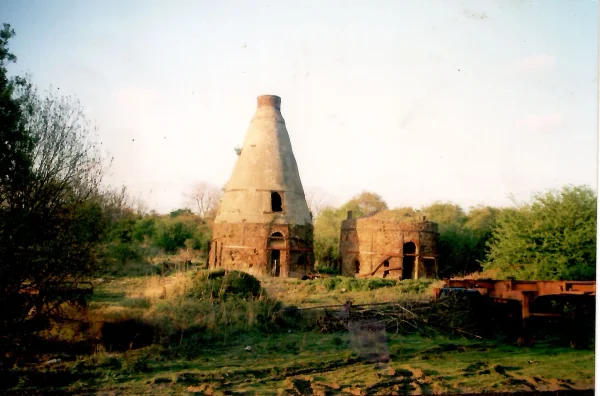
BRICKMAKING IN MARKS TEY
Brick is beautiful
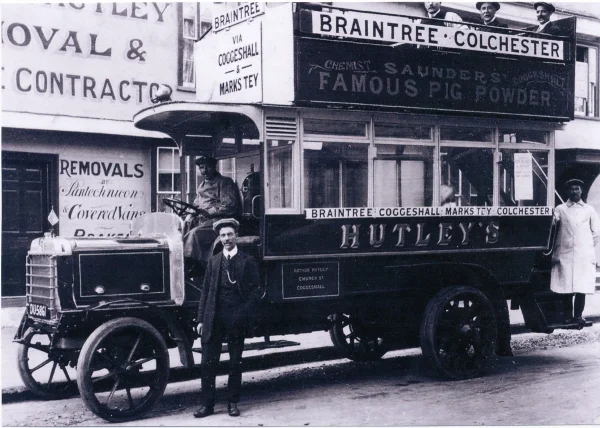
TRANSPORT
Getting around Marks Tey
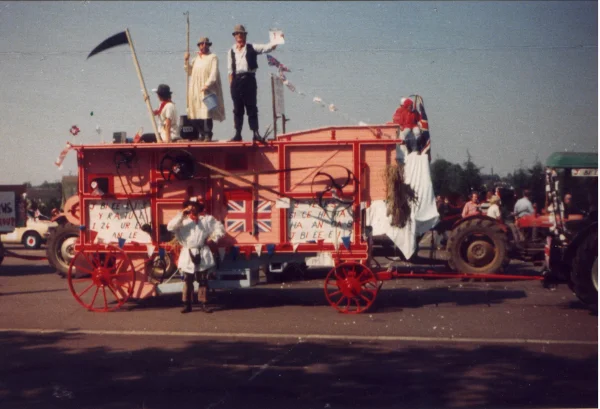
Marks Tey Carnival in the 1970s
Blooming Marvellous!
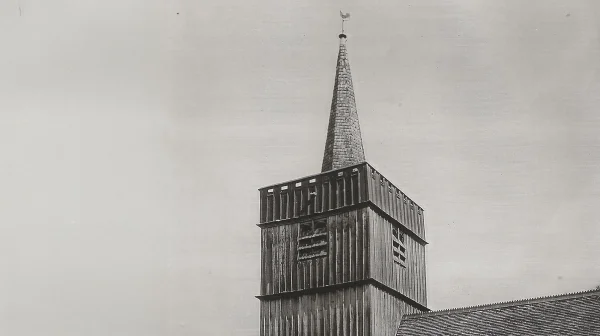
CHURCHES OF MARKS TEY
A spire and its stories
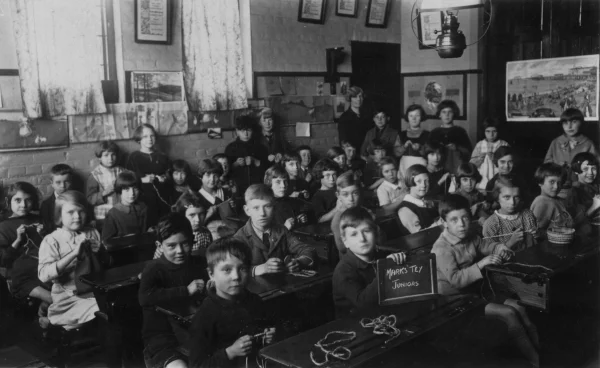
A SCHOOL FOR MARKS TEY
Marks Tey school days
BRENDA WILBY'S WALK
A walk around Marks Tey in the 1920s
LIVING HISTORY TALKS
Origins
Places names in marks tey
Tey at Elms & other names
LIVING HISTORY TALKS
Building of the Church

LIVING HISTORY TALKS
Marks Tey Cricket Club
LIVING HISTORY TALKS
Impact of the Railway
LIVING HISTORY TALKS
The Famous Case of William Steel
LIVING HISTORY TALKS
1944