The Famous Case of William Steel
LIVING HISTORY TALKS
The famous case of William Steel that captured the national press.
This short story was originally shared as a talk by Andrew Waters at the Living History event in St Andrews Church, November 2025, as part of the Marks Tey Heritage Project.
Explore story →
LIFE
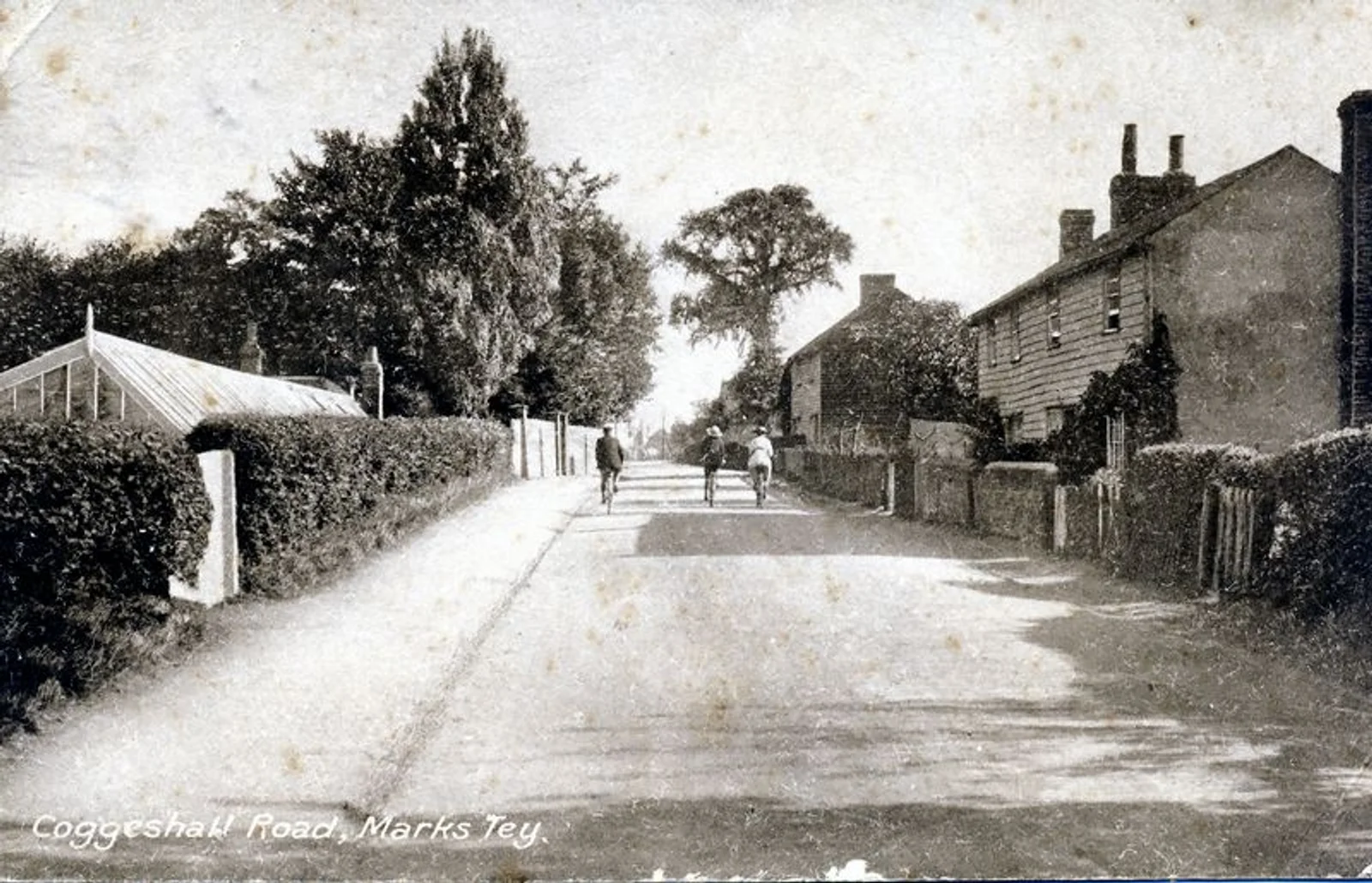
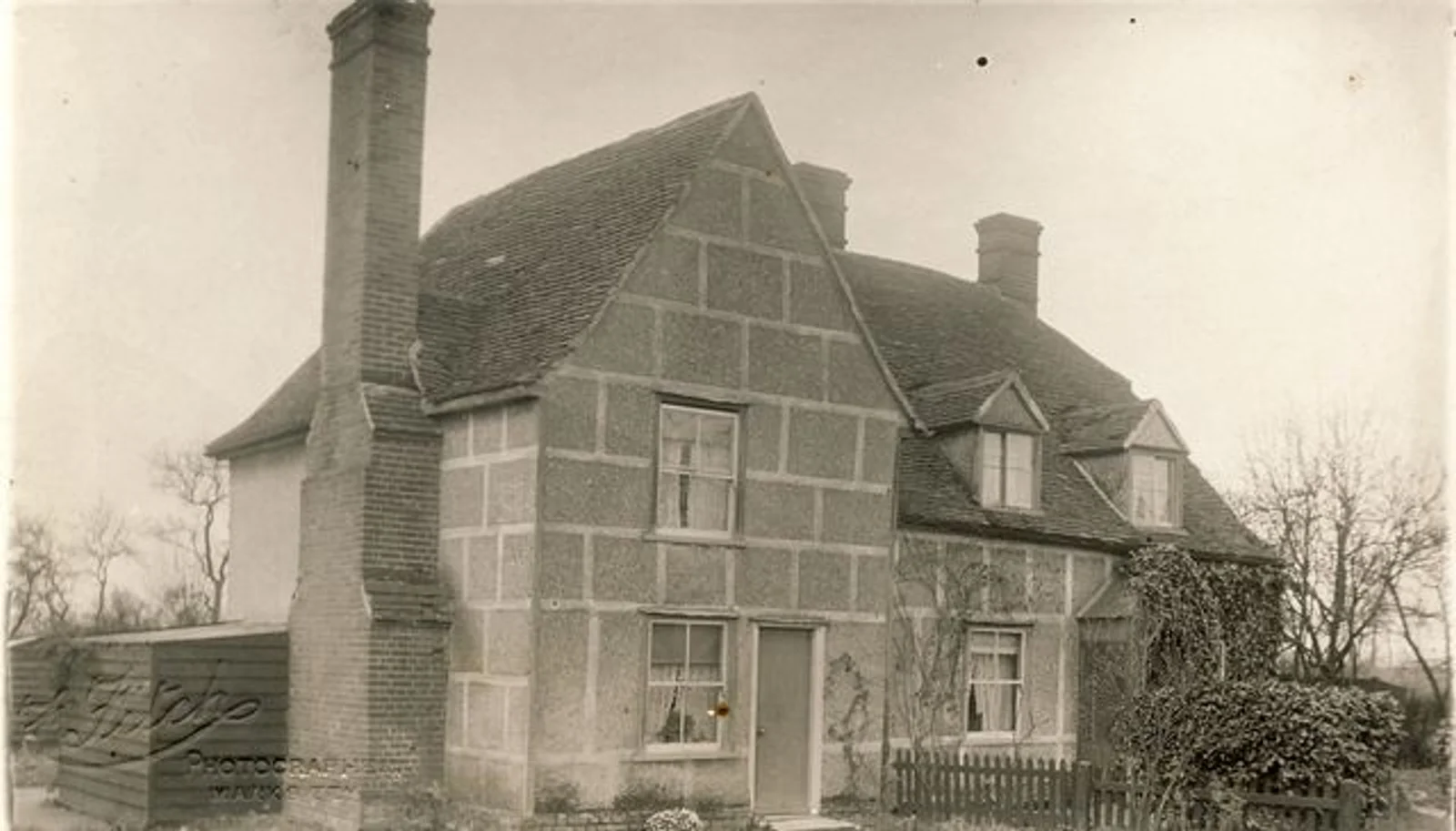
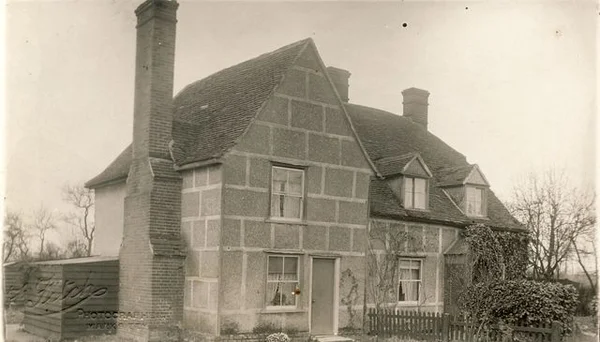
William was baptised in this Church, a few years after the battle of Trafalgar, in 1810. Father Samuel worked on the land. In 1829 William married Mary Keable and after a few years they move into a cottage on the Coggeshall Road belonging to his employers at Ivy House Farm. He didn't know it but he was to live there for the rest of his life.
When he was about 60 William takes up the less arduous post of sexton of this building — seeing that the inside is kept clean, candles are lit, the bell rung, the churchyard kept tidy and graves dug earning just over £6 a year. The average farm worker was on no more than £20 but William still helped out in the fields at harvest time.
1 PENNY'S WORTH OF WOOD
In 1871 Donald Owen becomes Rector of Marks Tey a post worth £416 plus house. Donald is a fine gentleman, a former student at Balliol College Oxford. He believes most members of the labouring class are pilferers.
Donald also employs William to work in his garden but asks local policeman Sergeant Buck to keep an eye out. On January 6 1874 William works on a cover for a drain and at the end of the day happily walks home along Coggeshall Road with three offcuts of wood when Sergeant Buck comes up and arrests William for stealing 1 penny's worth of wood.
TRIAL
Next day William is hauled up before the Lexden and Winstree Magistrates – who probably know Donald and his brother Owen.
The Magistrates want to hold William in prison until his trial at the Assizes at Chelmsford so his solicitor Henry Goody offers a surety of £10 (2400 pennies), but this is refused and the Magistrates demand not less than £20. A relative saves the day by handing over their savings book of £30.
The case is reported in the Essex County Standard and the story is syndicated in papers around the Country. The Daily Telegraph, no less, takes up William's cause raising money for his defence at Chelmsford and engage a Barrister. However, the case is thrown out before coming into court.
Some poetic justice
William lost his job as sexton and returns to working on the land for several more years and dies at the ripe old age of 85.
Two years later on Easter Sunday, Donald is having afternoon tea with Mrs Honeywood, owner of the Jacobean mansion, Marks Hall. Mrs Honeywood asks for her dog, a large Pyrenean wolfhound weighing about 11 stone to be brought in. She gently pats the dog on the head but the hound clearly dislikes Donald and takes a bite out of him and his barrister friend Mr Bennett.
Some poetic justice.
FInd out more
Marks Tey Heritage Project is bringing together the history of Marks Tey in one place. To take a look at our other stories from the Living History evening to find out more about our village.
Archive results related to The Famous Case of William Steel
Explore more stories
INDUSTRIES OF MARKS TEY
Flowers & seeds

BRICKMAKING IN MARKS TEY
Brick is beautiful
TRANSPORT
Getting around Marks Tey
Marks Tey Carnival in the 1970s
Blooming Marvellous!
CHURCHES OF MARKS TEY
A spire and its stories
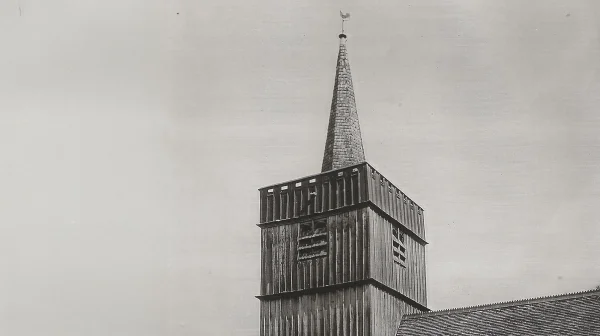
A SCHOOL FOR MARKS TEY
Marks Tey school days
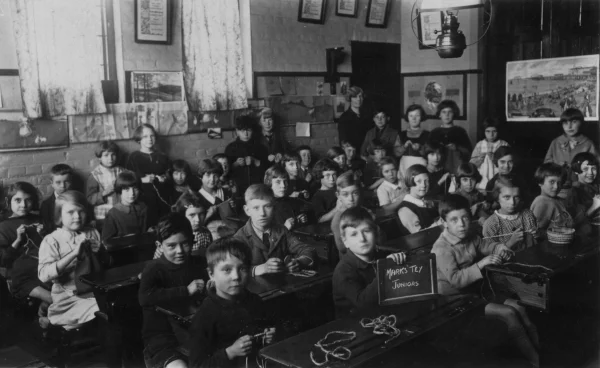
BRENDA WILBY'S WALK
A walk around Marks Tey in the 1920s
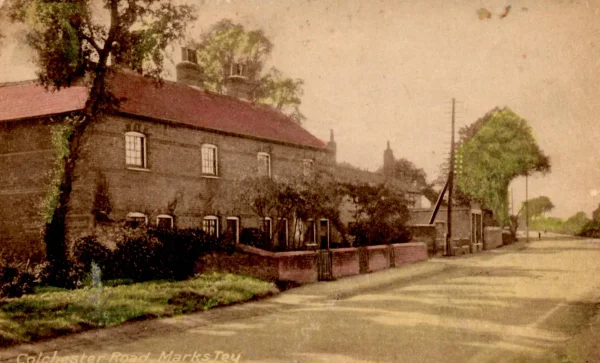
World War comes to Marks Tey
Wartime Marks Tey
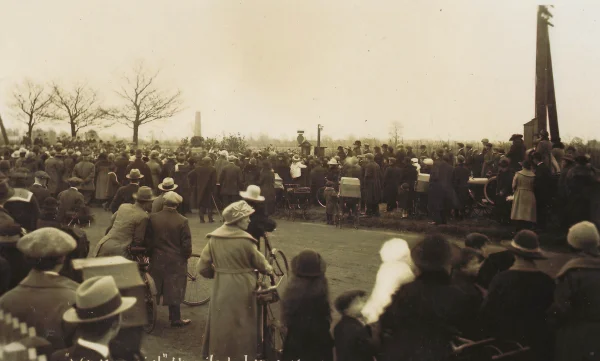
LIVING HISTORY TALKS
Origins
Places names in marks tey
Tey at Elms & other names
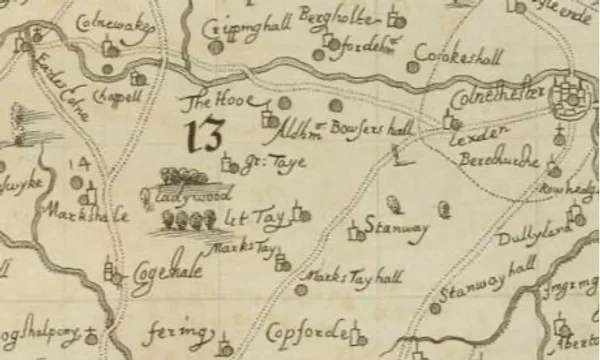
LIVING HISTORY TALKS
Building of the Church

LIVING HISTORY TALKS
Marks Tey Cricket Club
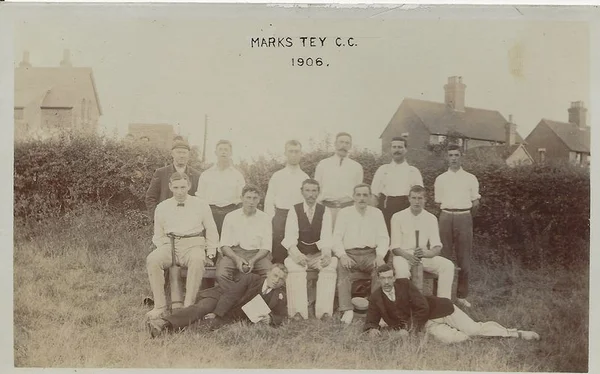
LIVING HISTORY TALKS
Impact of the Railway
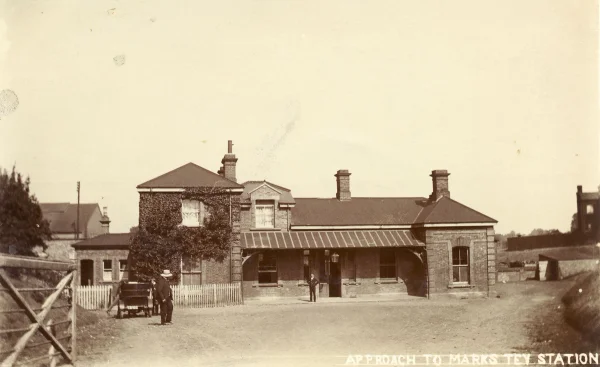
LIVING HISTORY TALKS
1944